Bogotá, Colombia
26 Feb 2013
Second sabbatical
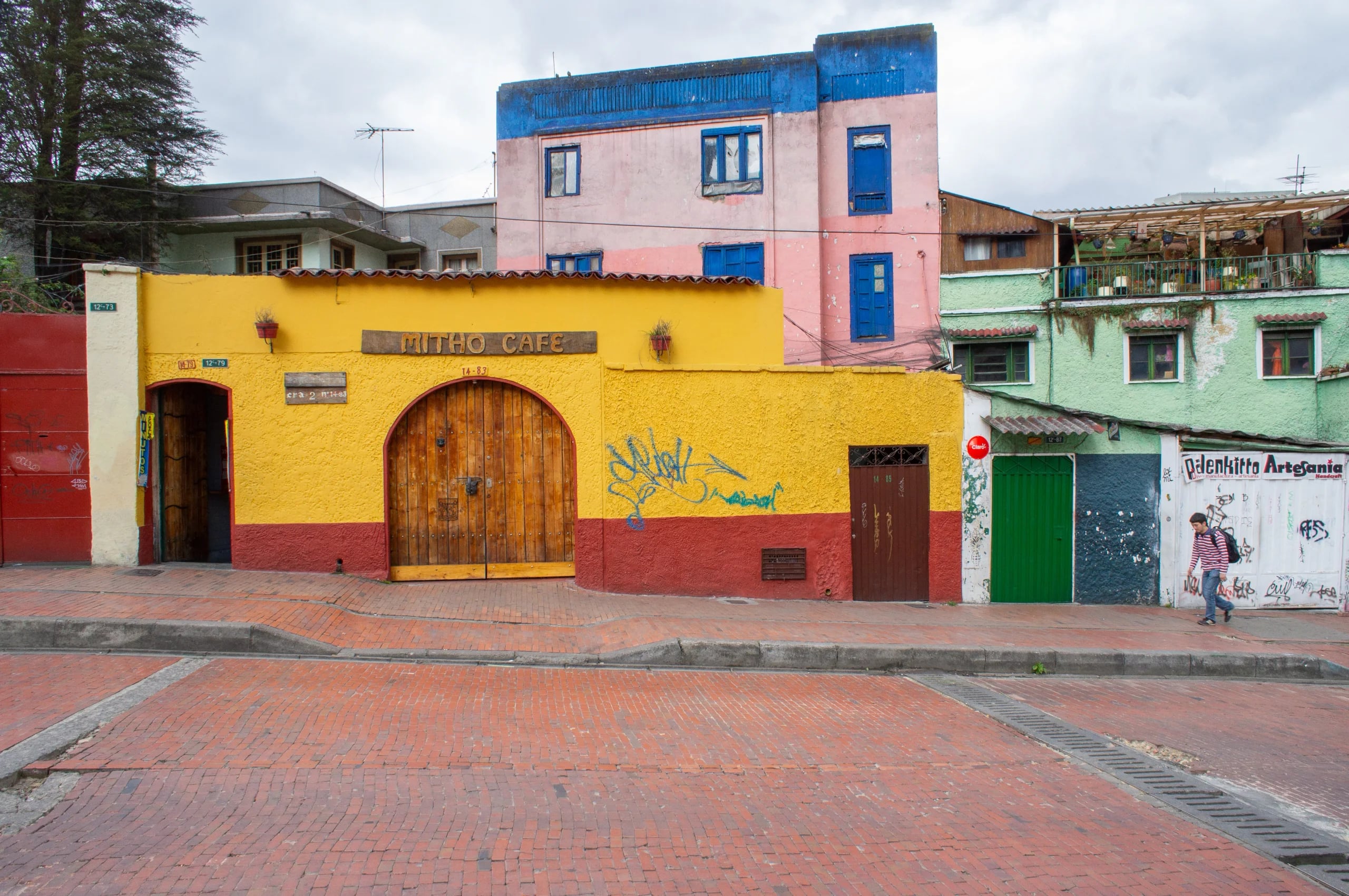
Arriving in the fridge
After a long flight with two stops – Santo Domingo and Panama City – I’ve finally arrived in Bogotá. It is the 26th of February, 9:12 AM. My friend Miguel finally shows up at the airport to pick me up at 10:50 AM. He excuses himself: "Traffic... I'm sorry. Let's go." We take a taxi from the airport to La Macarena. "My neighborhood – remember the name, you will need it," he tells me.
As we drive, Miguel enthusiastically points out what we see: "The mountains mark East," "The Calles run East to West," "The Carreras run South to North." I open the taxi window. It is cloudy outside, and the weather isn't as warm as I was expecting. "El frigorífico," Miguel tells me. "Colombians call Bogotá 'the fridge' due to its colder climate in comparison to the rest of the country, mainly because of its altitude and surrounding mountains." The taxi's dashboard shows 16°C.
I drop my bag at Miguel's place, a neat and spacious two-bedroom apartment in a gated community in La Macarena, a middle-to-upper-class neighborhood in central Bogotá, just north of La Candelaria. Since we are both hungry, Miguel takes me to a restaurant serving Colombian food. El Envigadeño has a large room with light ceramic floors contrasting with a dark wood ceiling. It is filled with small round tables with four narrow chairs each.
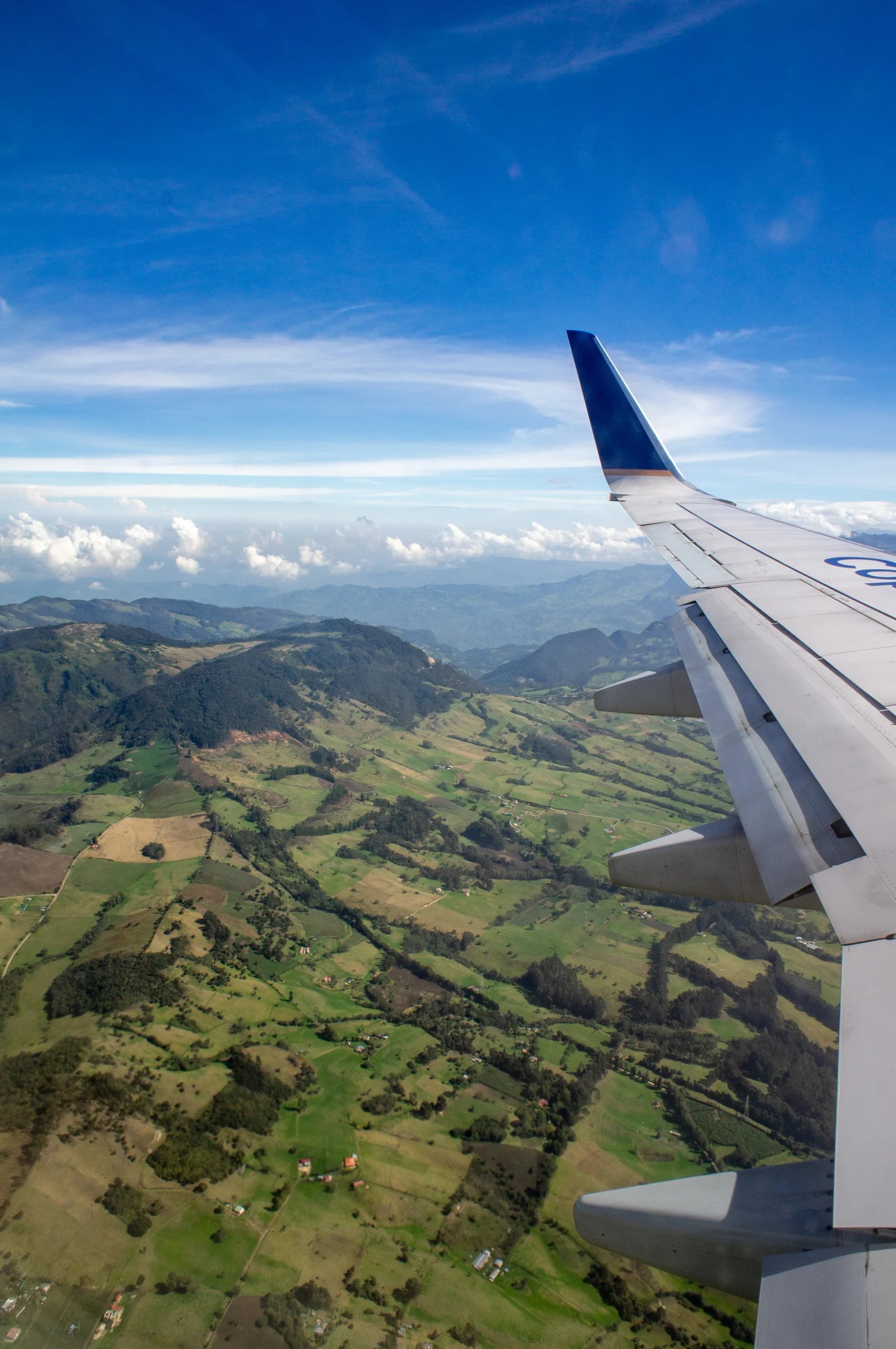
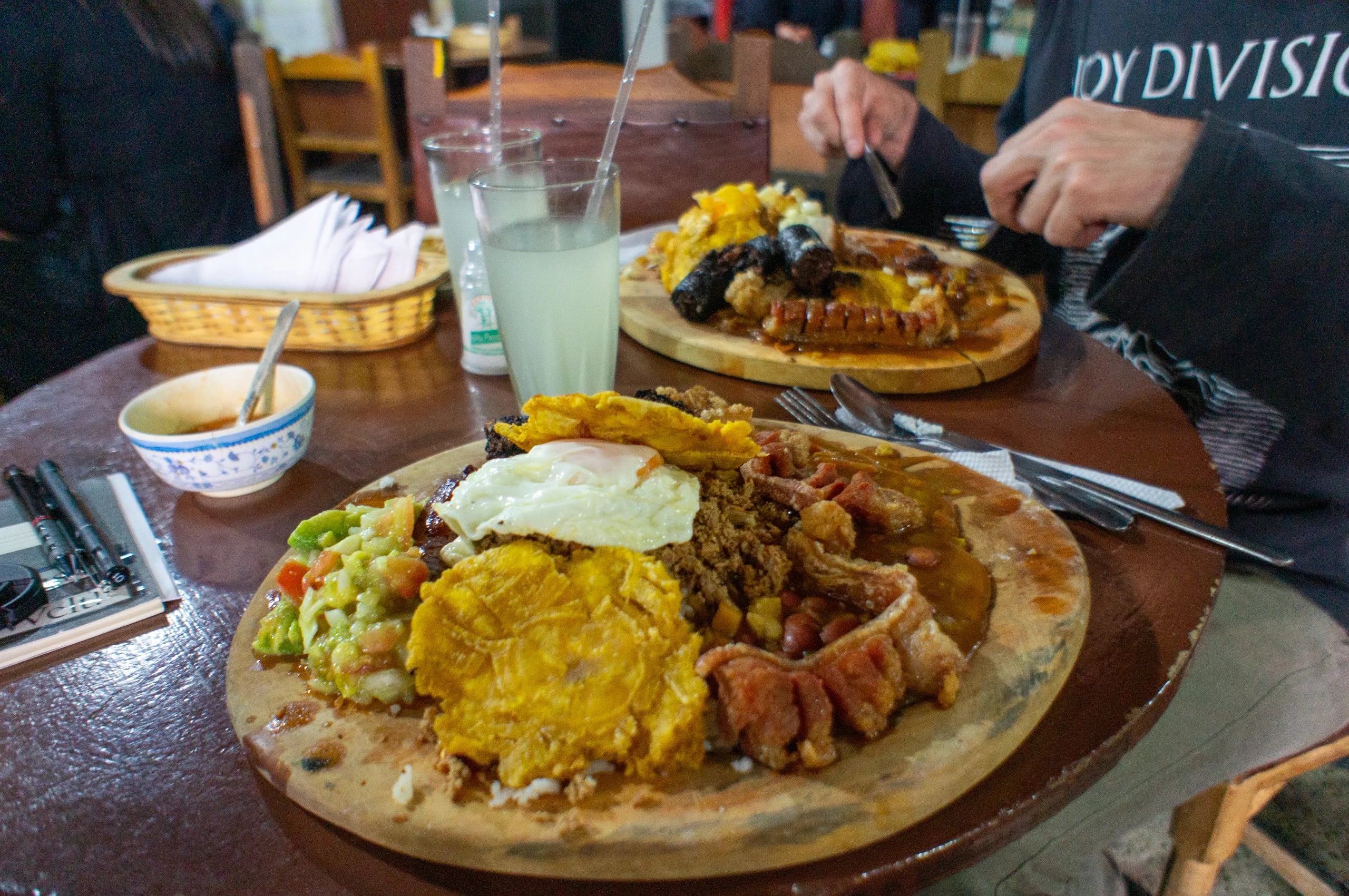
We take a seat. Miguel orders, "Dos limonadas y dos Bandejas Paisas." I ask what the Bandeja is. "It's a calorie bomb, a traditional dish from the Antioquia region. Tons of meat – all sorts of meat, actually – and carbs! Beans, corn, rice, avocado... wait and see. You said you were hungry." I'm starting to regret my words. The friendly waiter brings us two gigantic wood trays, each with enough meat to feed a family of four and make vegans cry. We both manage to finish our plates. Miguel excuses himself; he has to run to the university, as he has a class to give. I pay the bill and head towards La Candelaria, a neighborhood Miguel recommended during lunch.
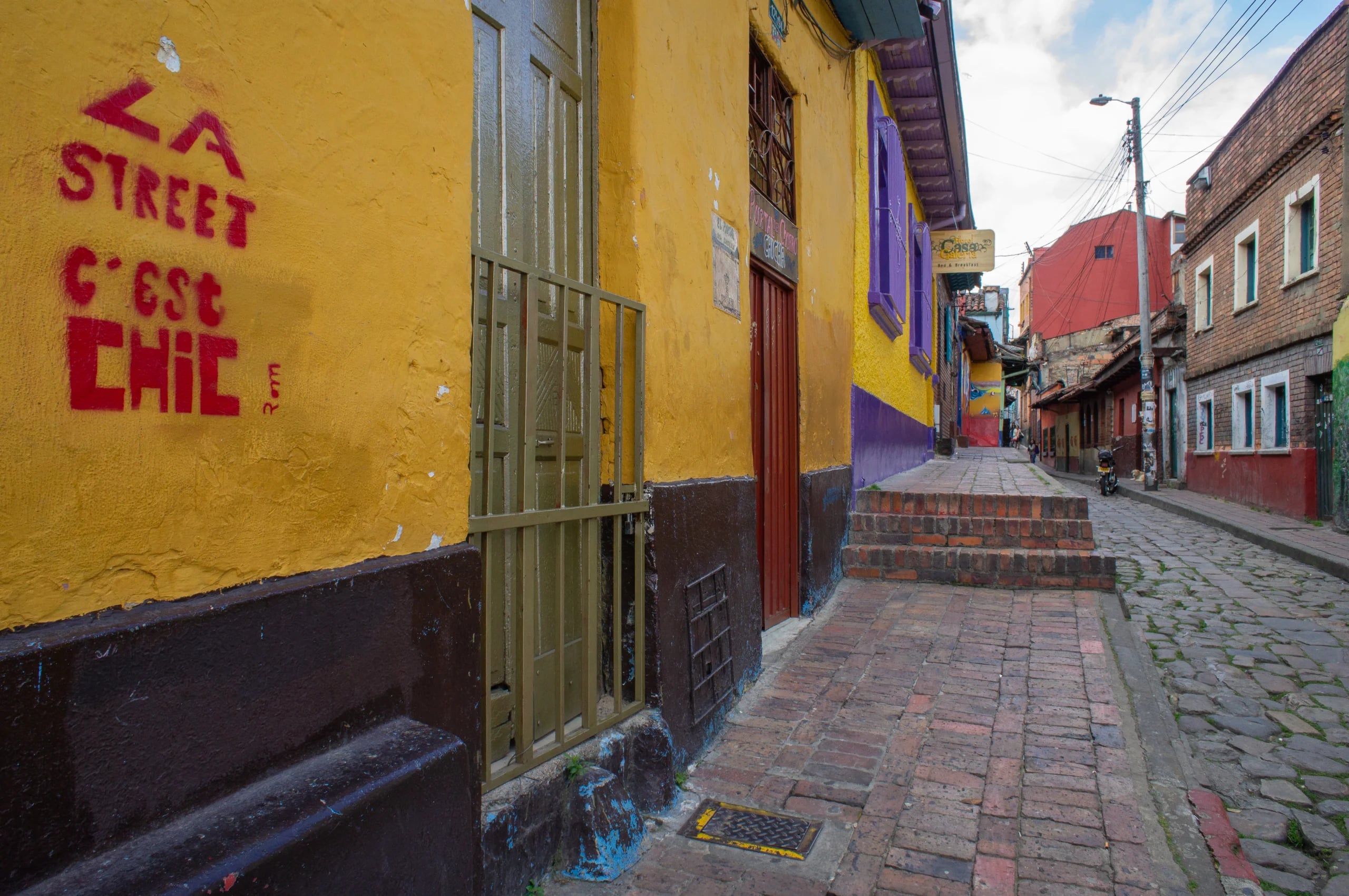
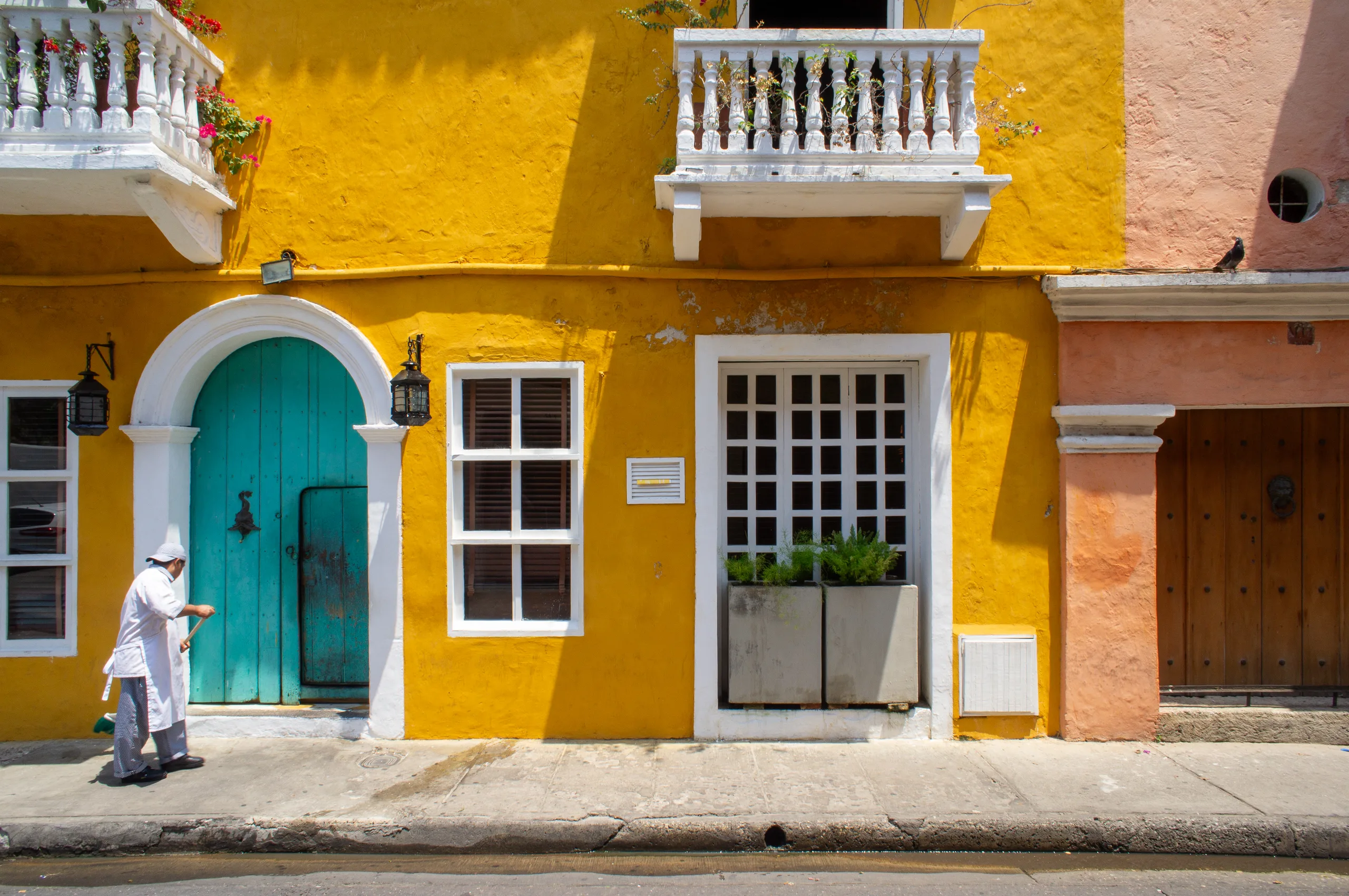
On the way to La Candelaria, I make a short stop at the Cultural Center "Gabriel García Márquez." I visit some of its temporary exhibitions and lose myself in its lovely bookshop. From there, it is a short walk to La Candelaria, the artsy neighborhood of Bogotá, with its Spanish colonial architecture, cobbled narrow streets, warm-colored façades, and many murals and graffiti.
I wander like a flâneur with no specific intent or destination. Motorbikes are parked on the sidewalks; the houses are low but seem warm and inviting. Something strikes me: although I'm quite comfortable in new and unknown environments, this neighborhood seems oddly quiet. I can't tell if I've actually spotted anyone in the last 20 minutes. "Maybe it isn't safe to walk alone around here," I wonder. The thought leaves me a bit uneasy: "What am I getting myself into?"
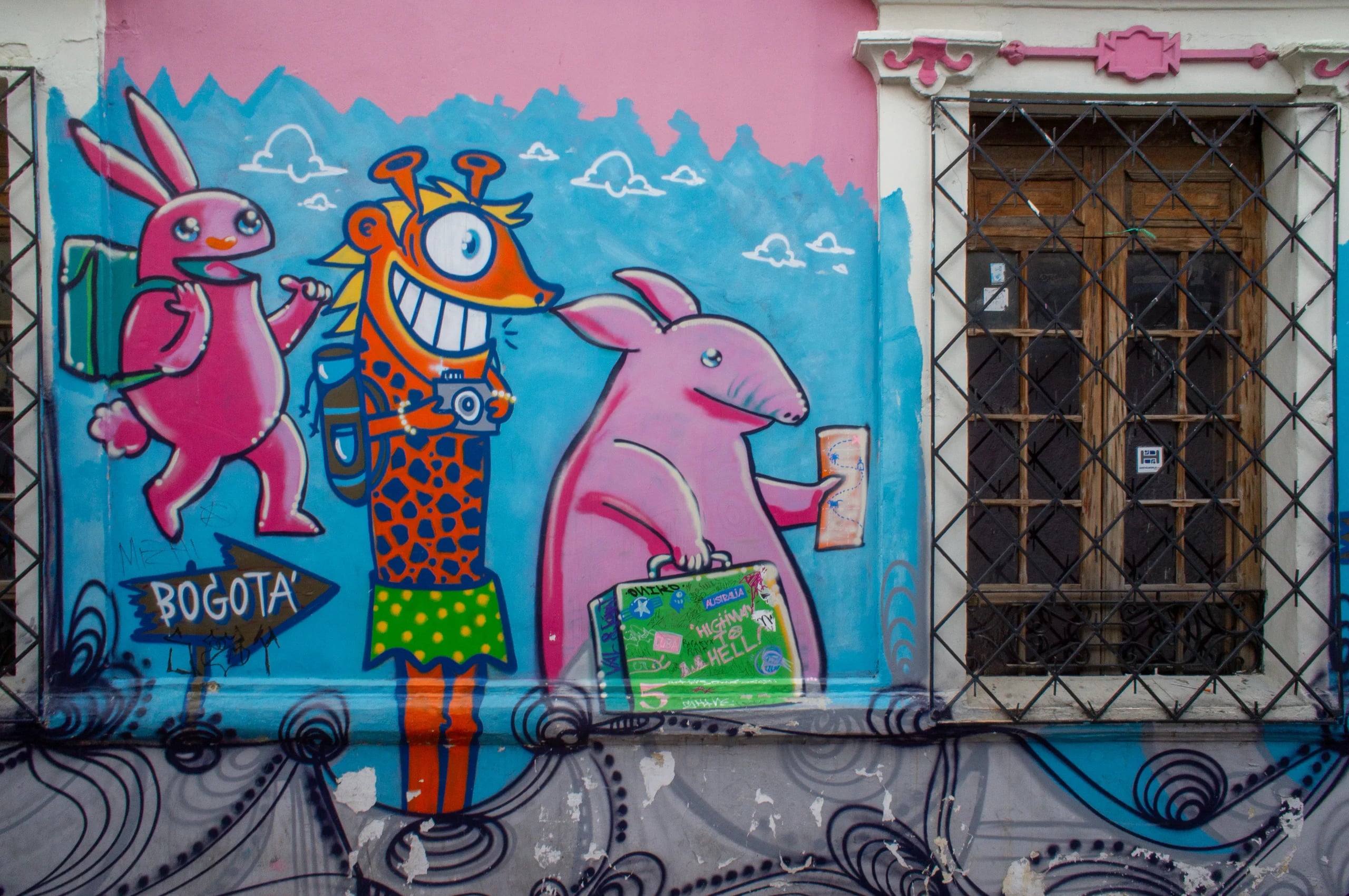
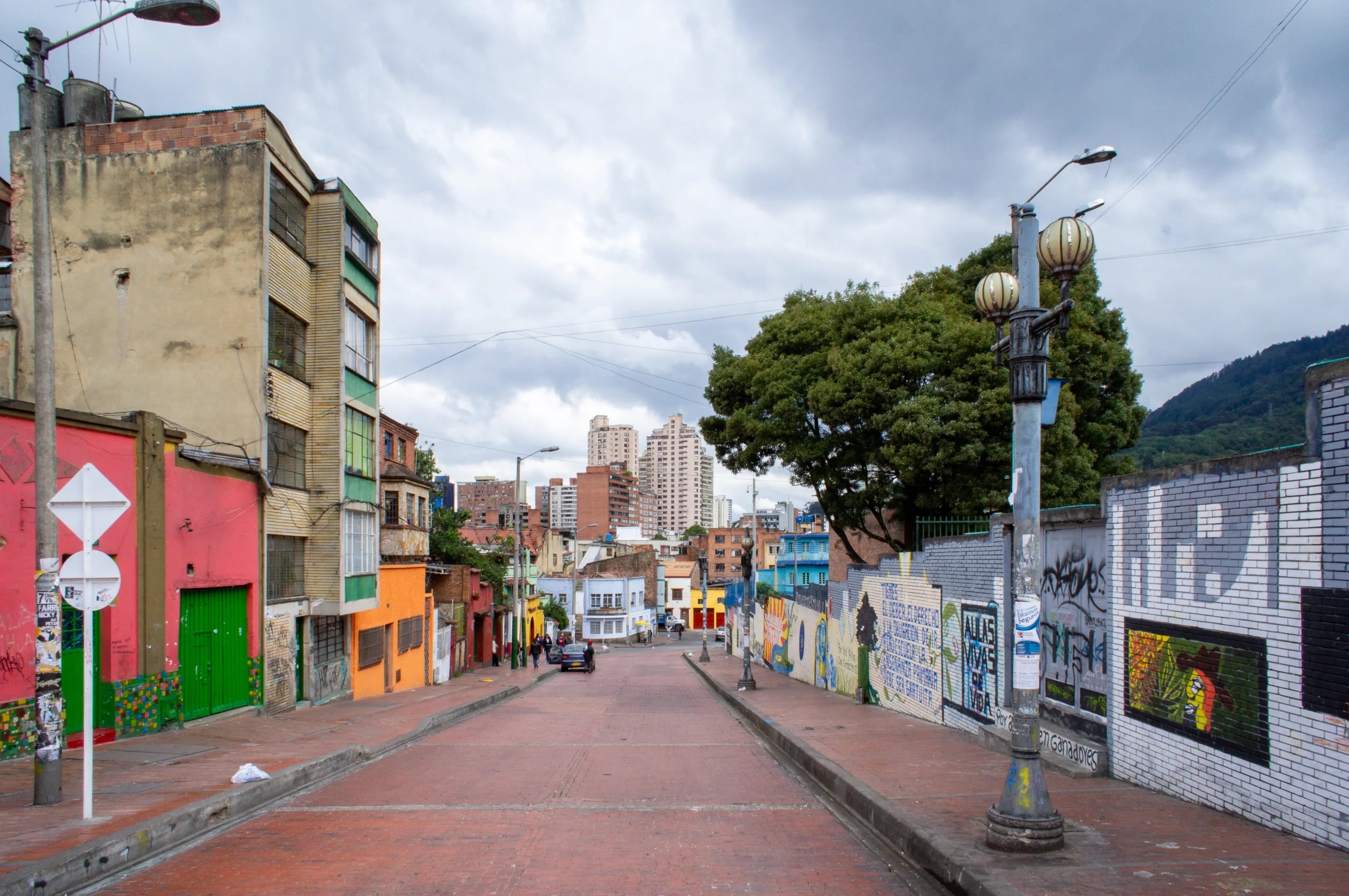
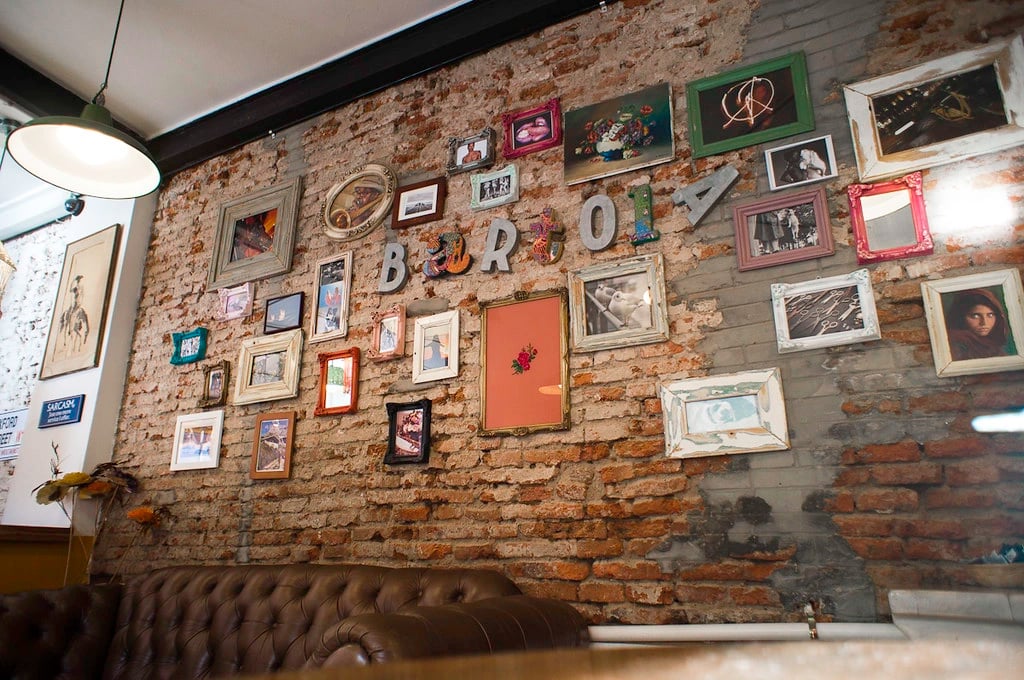
I finally spot some people wearing football shirts, mainly from Real Madrid. They are running, as if something is coming after them. I stop and follow them with my eyes. One quickly pulls out his keys and hastily opens the front door of a house. Another one runs and disappears at an intersection. I look behind me. Stillness. No traffic. No people. No noise. A few moments pass as I slowly turn around the way I came. Suddenly, I hear loud cheers of joy in unison coming from all corners of the street and open windows. "What the hell is going on here?" I enter a café at the end of the street. The TV is blasting El Clásico: Real Madrid against Barcelona and Real has just scored the second goal.
Further reading
Bogota, Colombia
28 Feb 2013
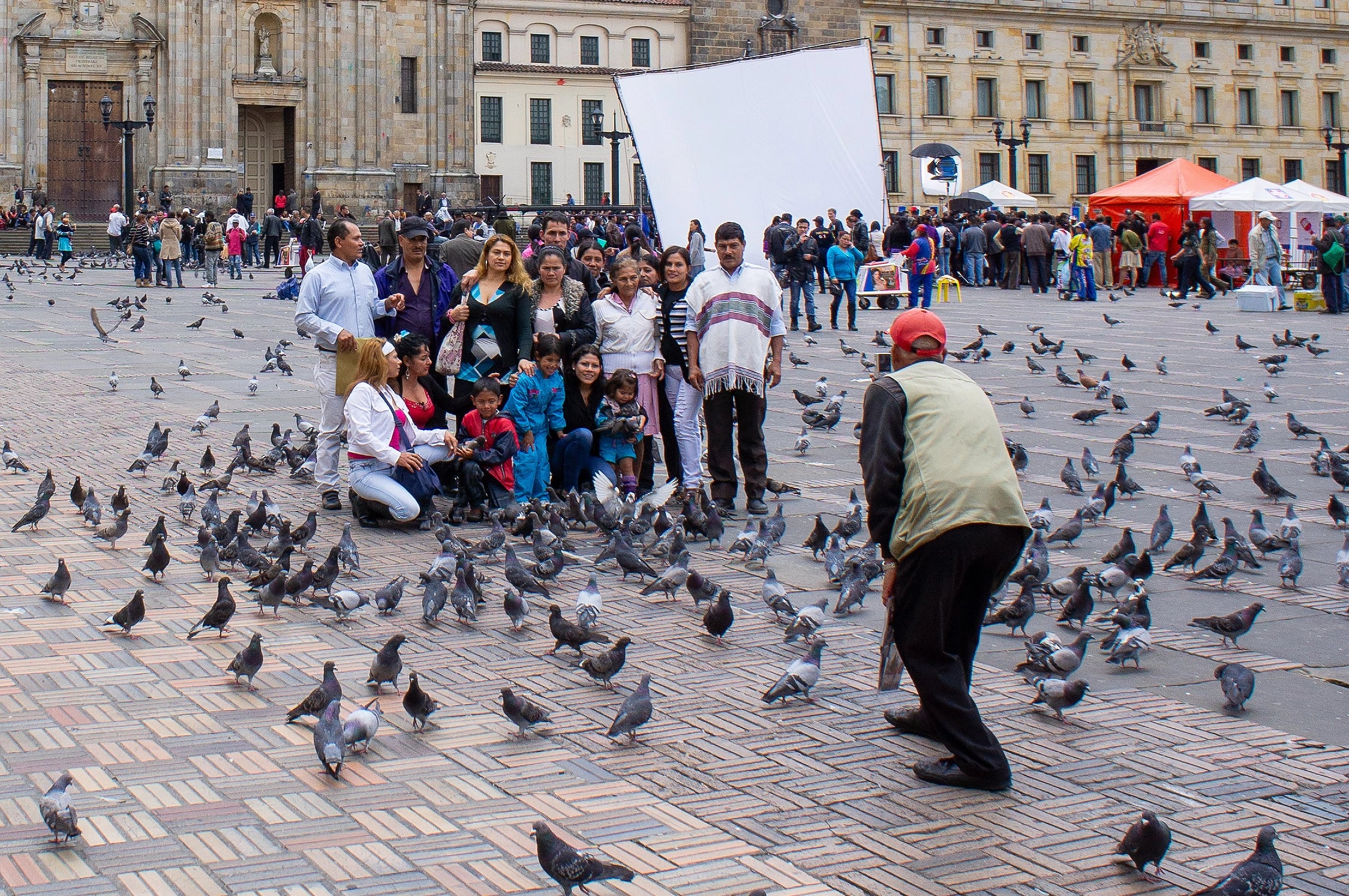
People watching at Plaza Bolivar
A collection of snapshots taken at the Plaza Bolívar upon my arrival in Colombia.
Bogotá, Colombia
2 Mar 2013
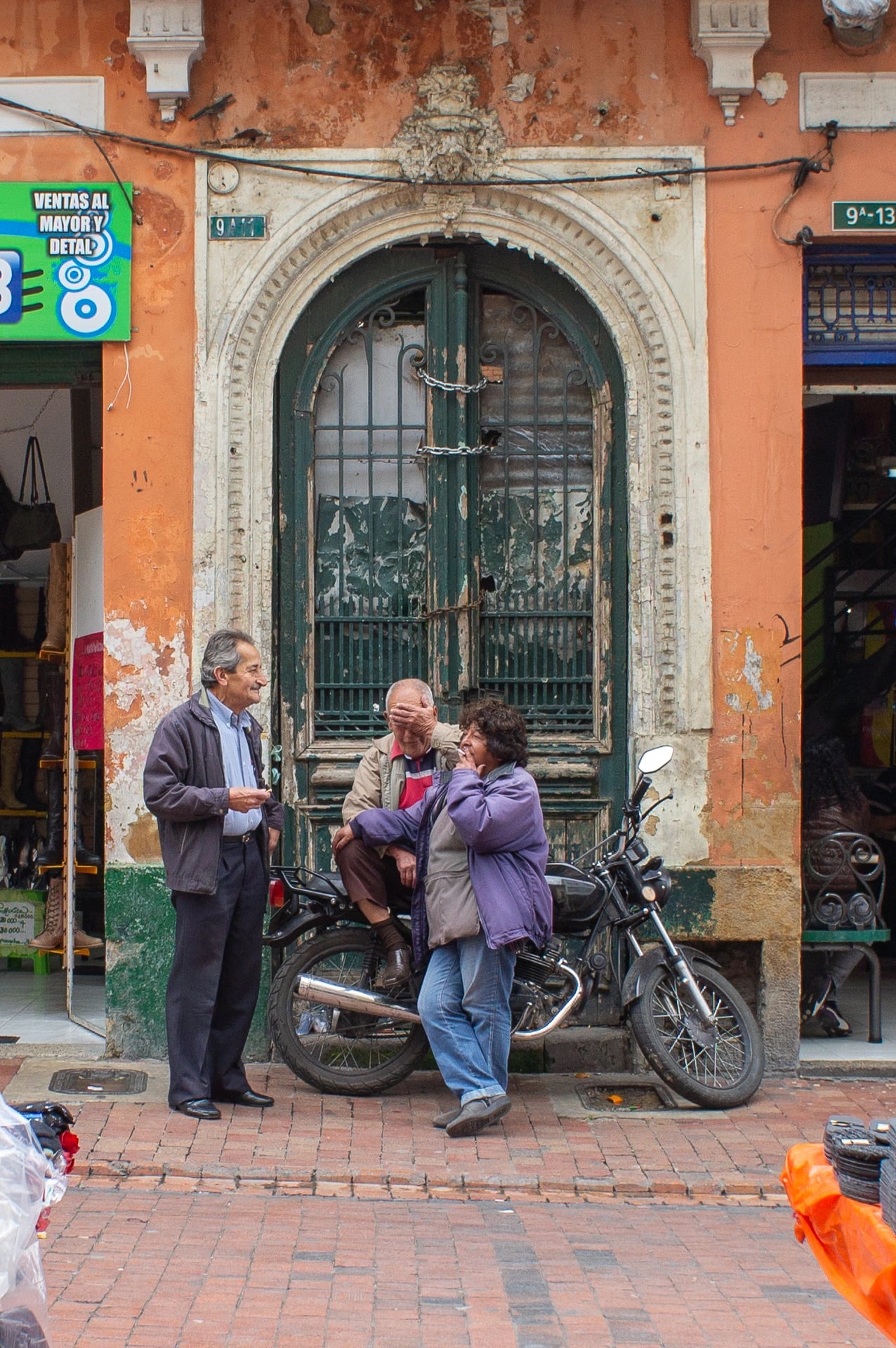
Bogotá impressions
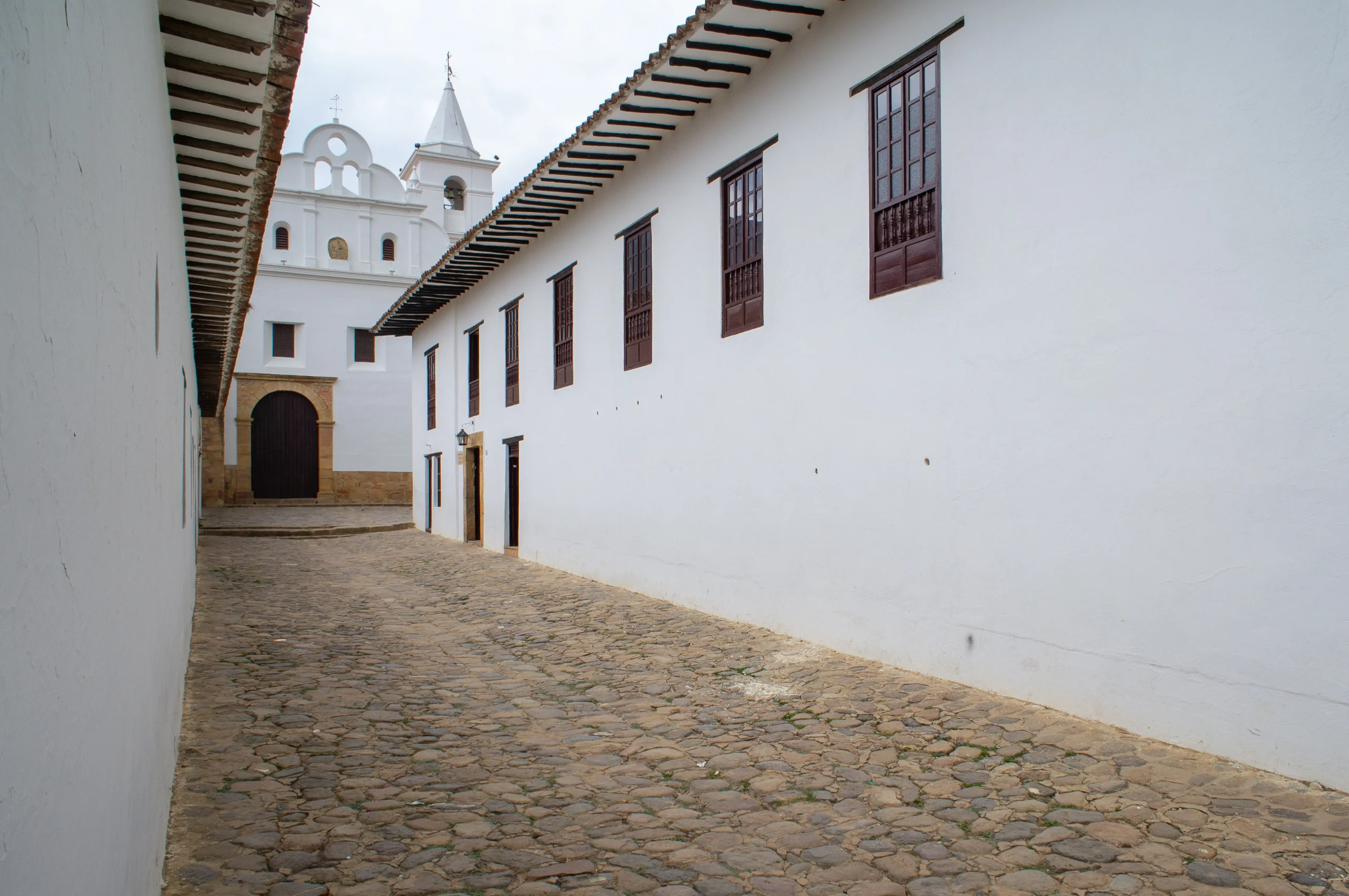
Street art, calorie bombs, and social protests: a flâneur’s farewell to Bogotá before heading north to Villa de Leyva.
Villa de Leyva, Colombia
3 Mar 2013
From Bogotá to Villa de Leyva
The panoramic views of the green Andean peaks were suddenly interrupted by military checkpoints. Soldiers stood in the shadows with their guns.
Barichara, Colombia
5 Mar 2013
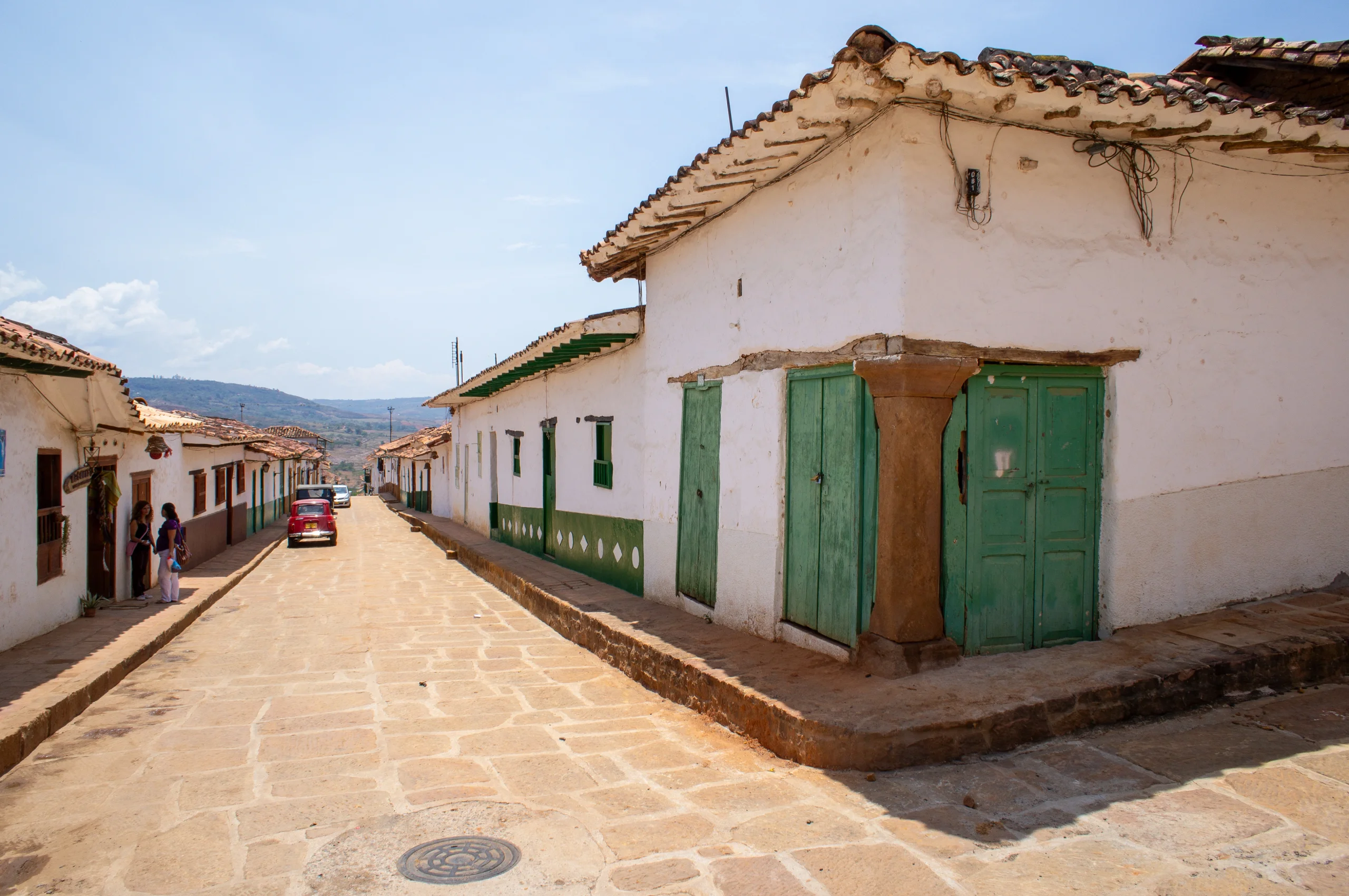
El Camino Real de los Guanes
If I am to be kidnapped by the FARC or paramilitaries, this is the place. Yet, the scenery does not disappoint as you descend into the spectacular canyon of the Suárez River.