Santa Marta, Colombia
8 Mar 2013
Second sabbatical
Santa Marta, Bolivar and cavities
DentiSalud, Odontología Responsable, Santa Marta, 3:05 PM. I'm at the dentist – a recommendation from the owner of the guesthouse where I'm staying. I have an abscess and I couldn't take the pain anymore. I'm waiting to be seen, hoping they won't butcher me.
4:00 PM. Bad news. I need a root canal. Another appointment. Tomorrow morning.
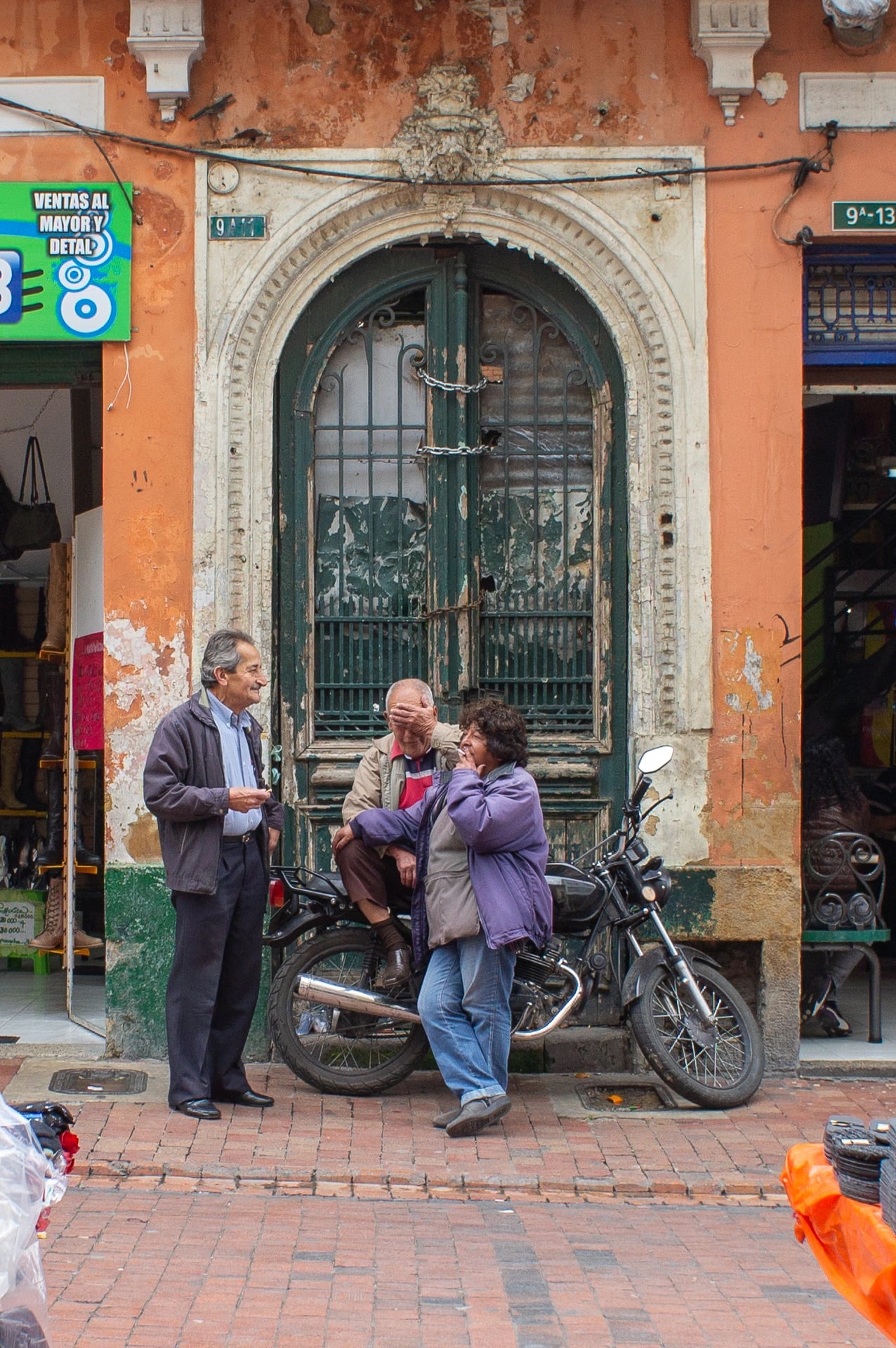
After the dentist, I took a bus to what seemed to be the city center. As I wander the streets of Santa Marta, I notice it is much more Black than the other places I've visited. There are plenty of Afro-Colombian street vendors selling delicious fruit juices and green coconut water. It is a hot day – the hottest I've had in Colombia thus far. I buy myself some coconut water and head toward the Caribbean coast, hoping to get a cooler breeze. Besides the big hotel chains, the architecture seems colonial. The houses are two or three stories high at best and don't care to hide the passage of time. Some are almost in ruins but still inhabited.
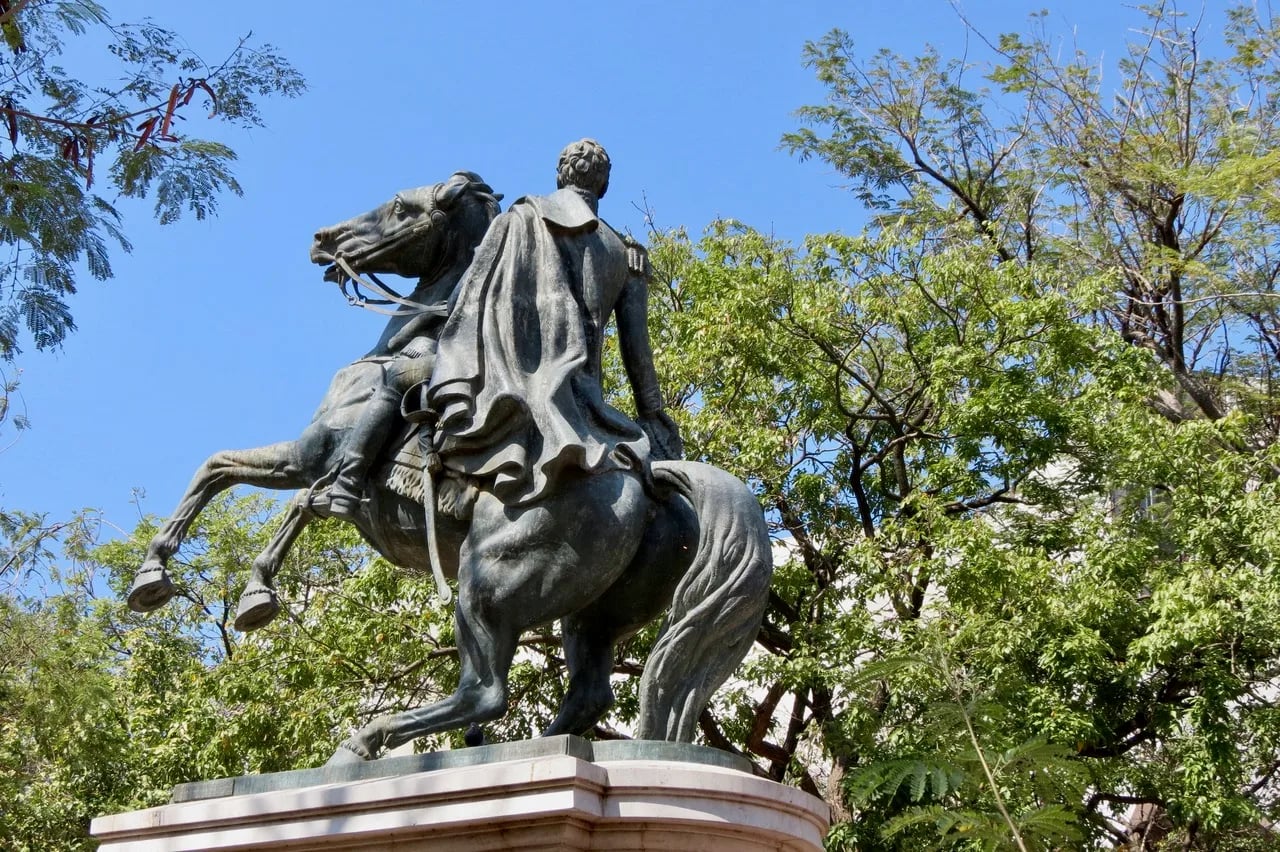
Santa Marta is not only the oldest city in Colombia, it is also the place where El Libertador Simón Bolívar came to died. To be precise, he died of tuberculosis in la Quinta de San Pedro Alejandrino – a refuge offered by a wealthy Spanish sympathizer called Joaquín de Mier – on December 17th, 1830. Today, the quinta is a massive sanctuary and museum dedicated to the memory of the leader whose dream of Gran Colombia – a united and strong single South American country – ended up dying with him.
Further reading
Palomino, Colombia
10 Mar 2013
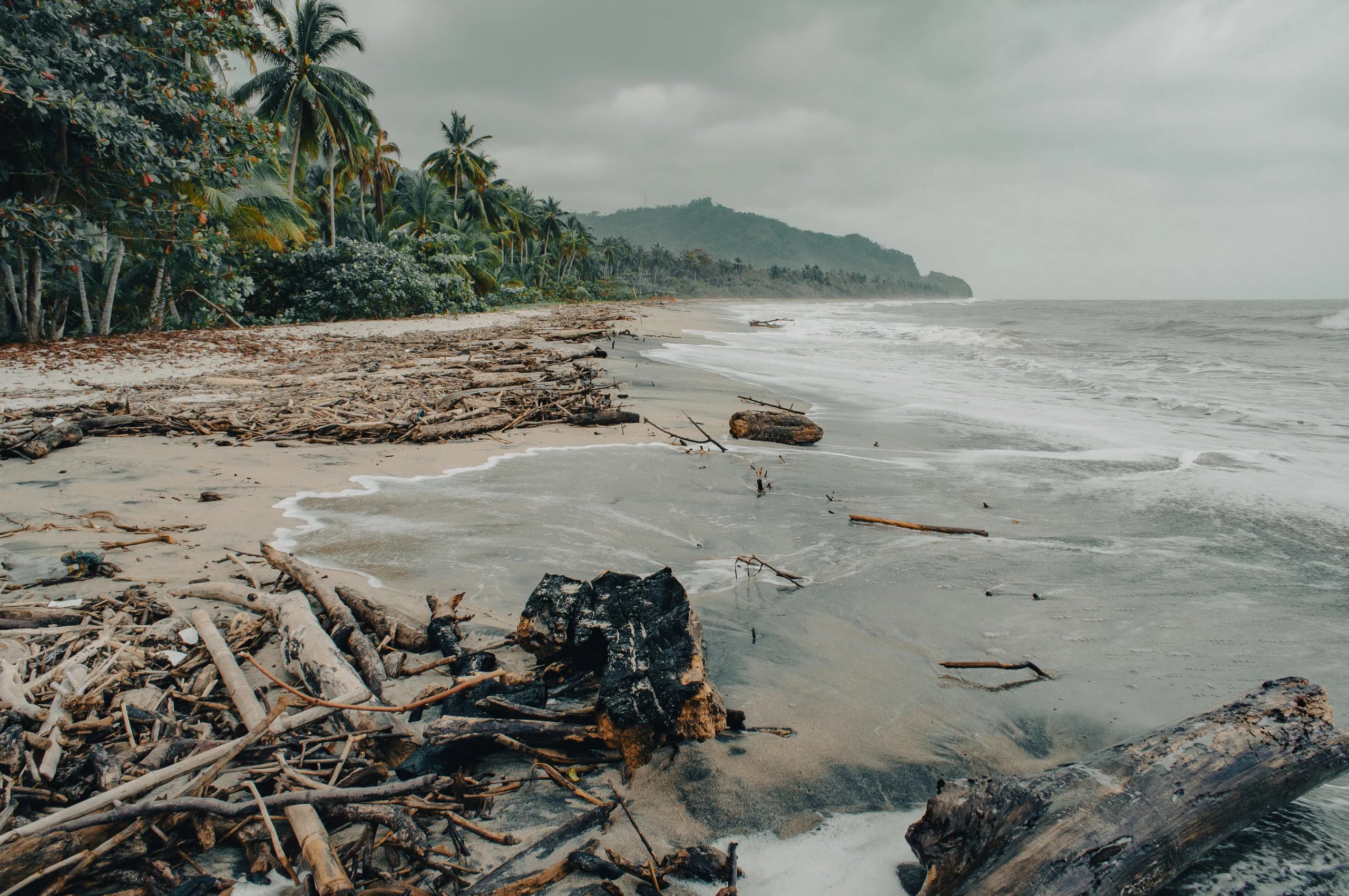
A deserted paradise
After wandering the historic streets of Santa Marta under extreme heat and with a raging toothache, I find a cool breeze on the Caribbean coast.
Cartagena de Indias, Colombia
18 Mar 2013
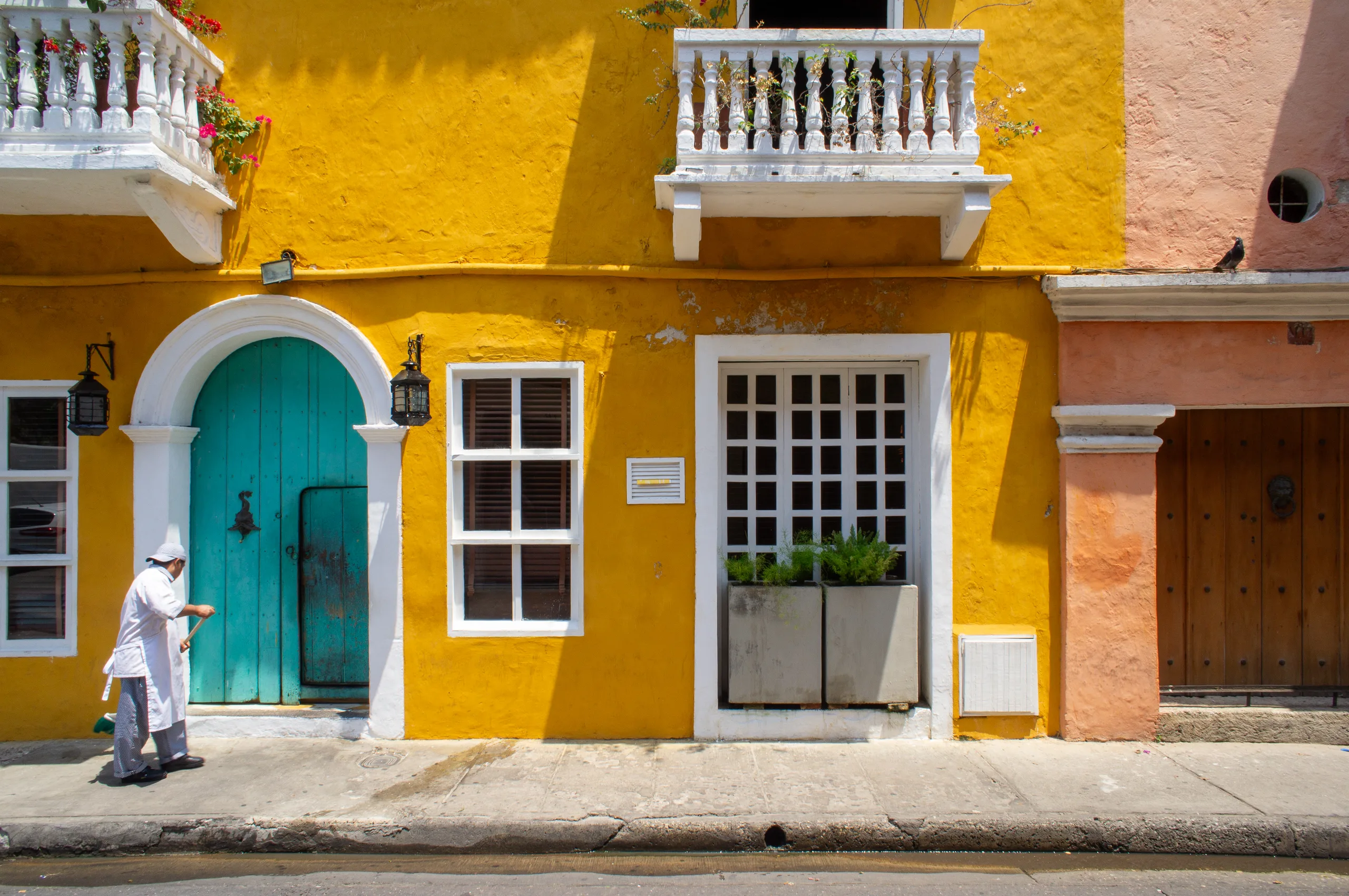
Cartagena de Indias
A collection of snapshots taken while wandering throughout the streets of Cartagena.
Medellín, Colombia
22 Mar 2013
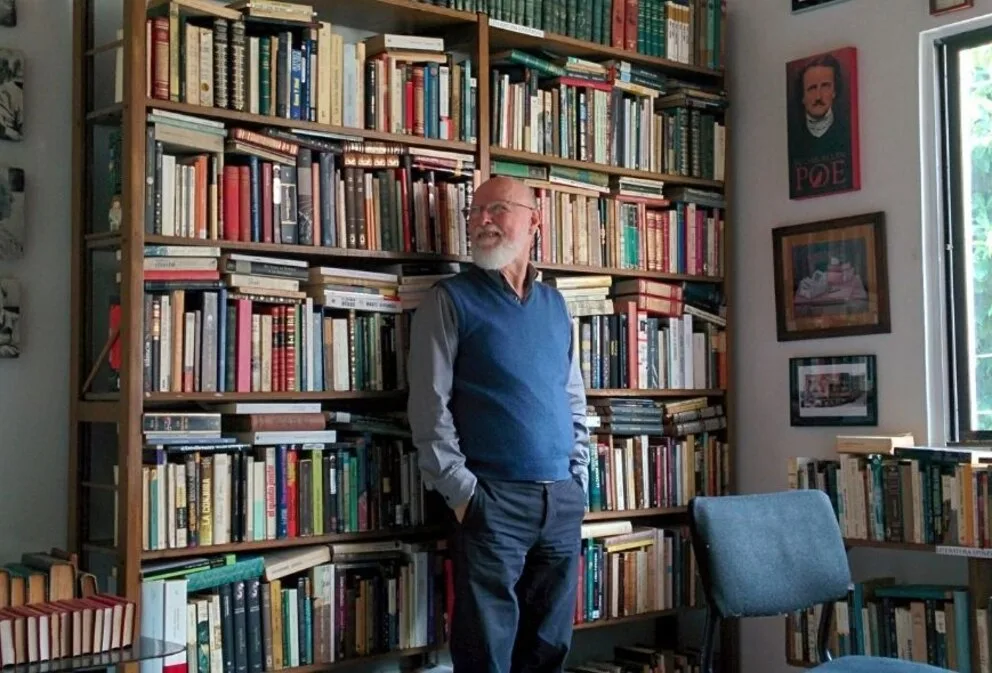
The quest for Palinuro
Lost in the labyrinth of Medellín I found refuge in Palinuro – a tiny, second-hand bookshop filled with beautiful books.
San Cipriano, Colombia
12 Apr 2013
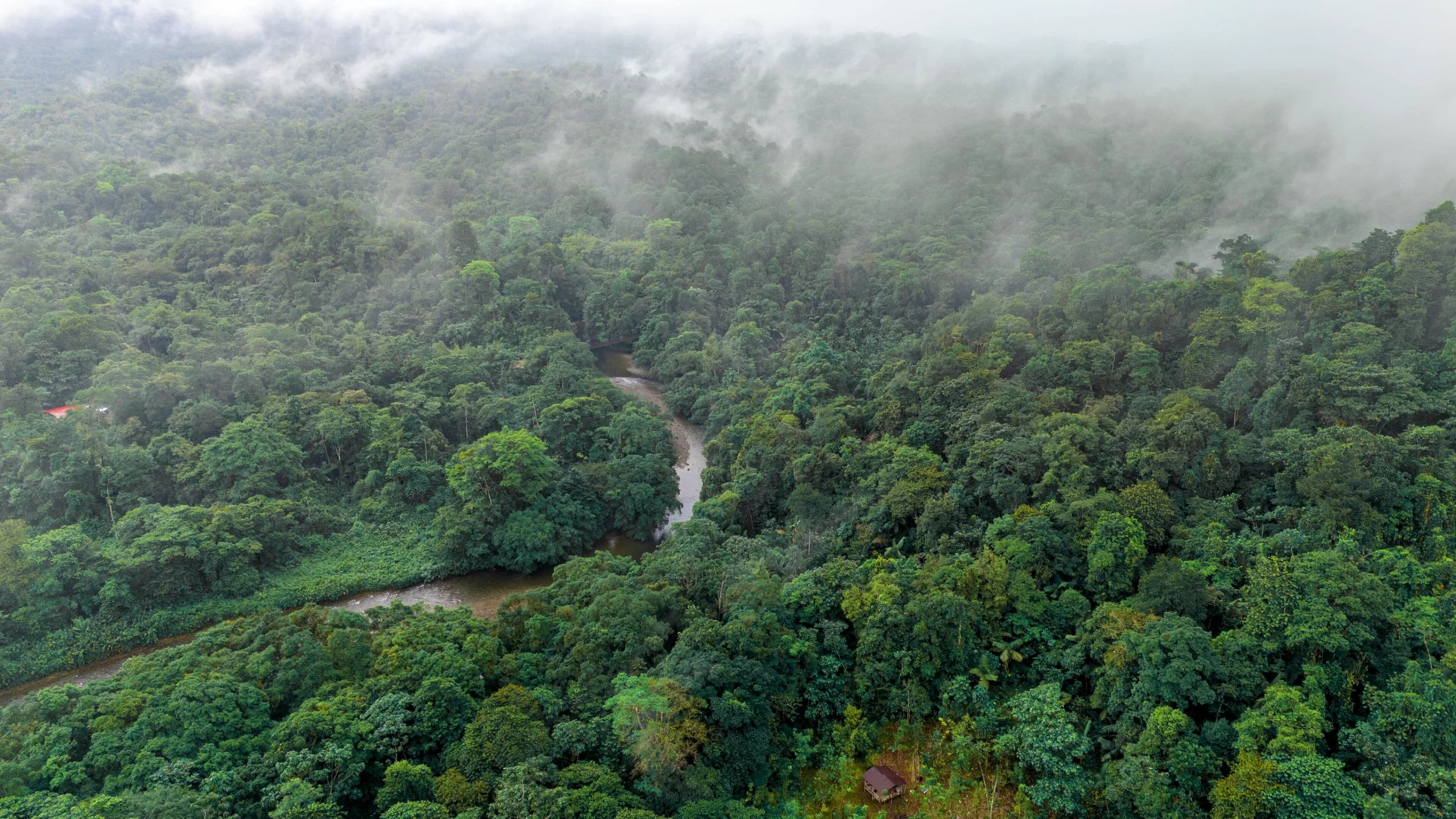
Afro-colombian culture of the Pacific
A small peek into Pacific Afro-Colombian culture on top of train wagons ridden by motorbikes.