San Cipriano, Colombia
12 Apr 2013
Second sabbatical
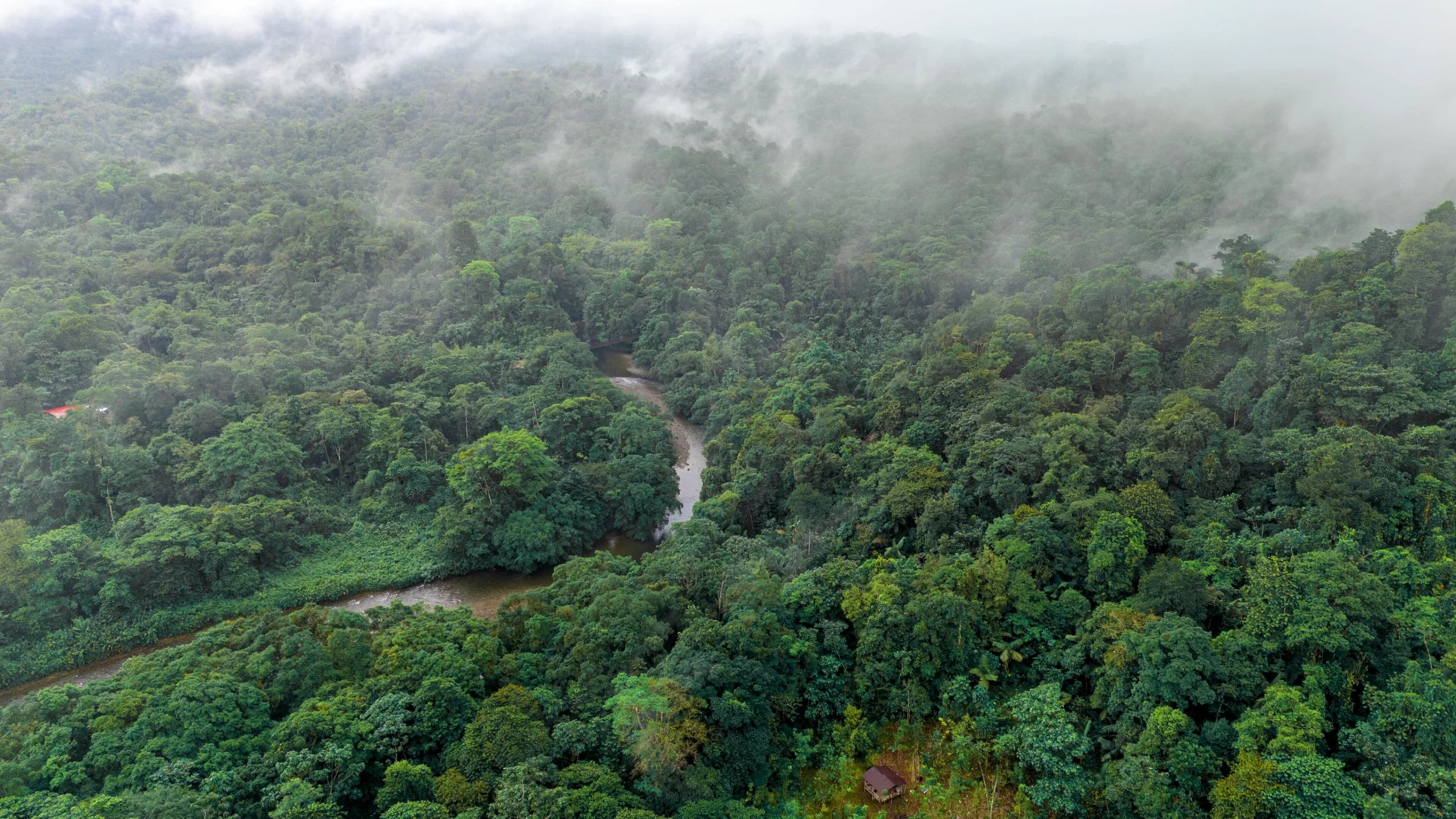
Afro-colombian culture of the Pacific
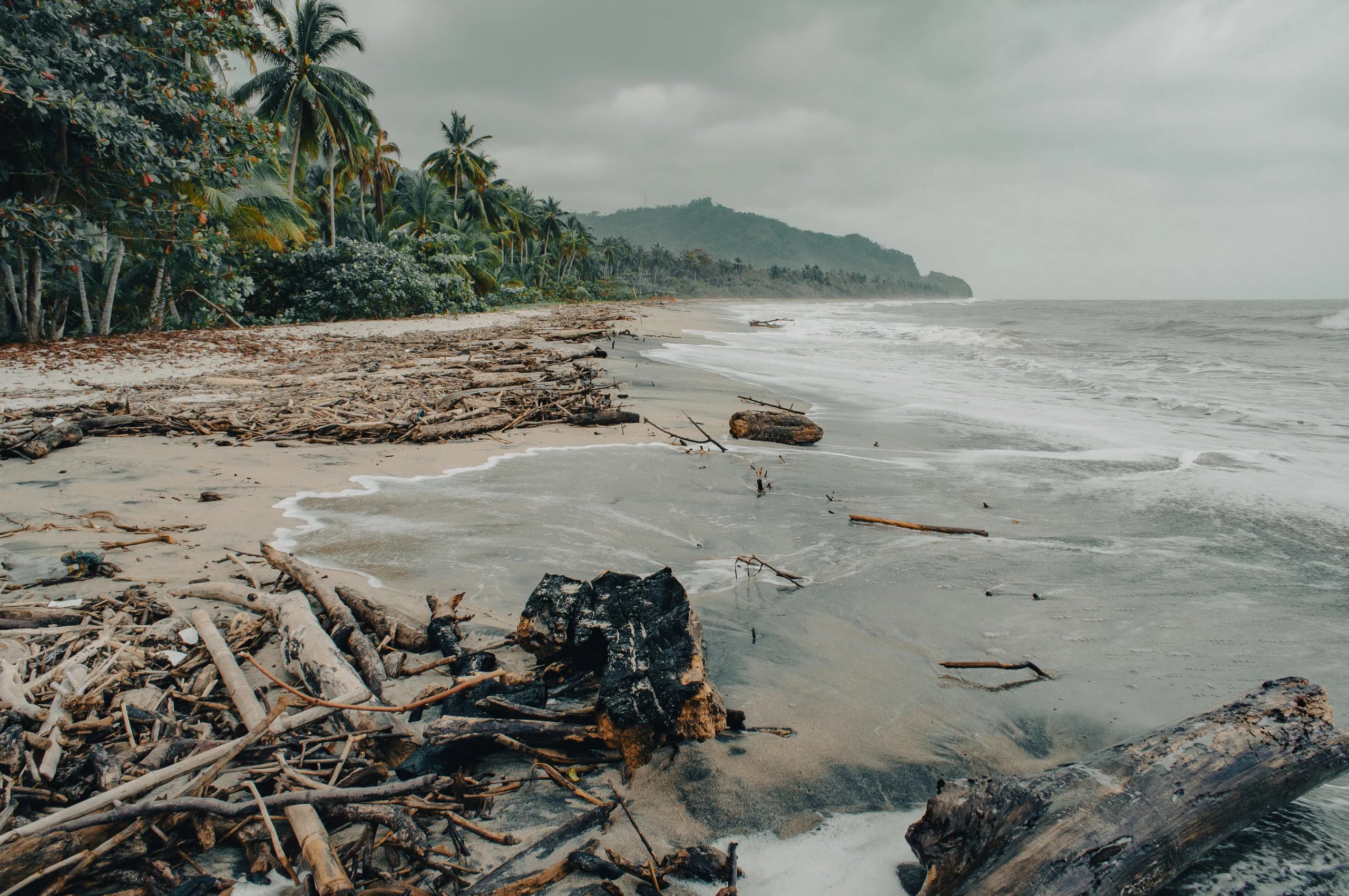
Most of the Afro-Colombian population has been living for centuries on the Pacific coast; their ancestors were slaves brought by the Spanish, Dutch, British, and Portuguese navigators. Those who managed to run away from coffee or sugar plantations found refuge in the thick jungles of western Colombia, where they were finally able to live in peace and practice their own religion, culture, and language.
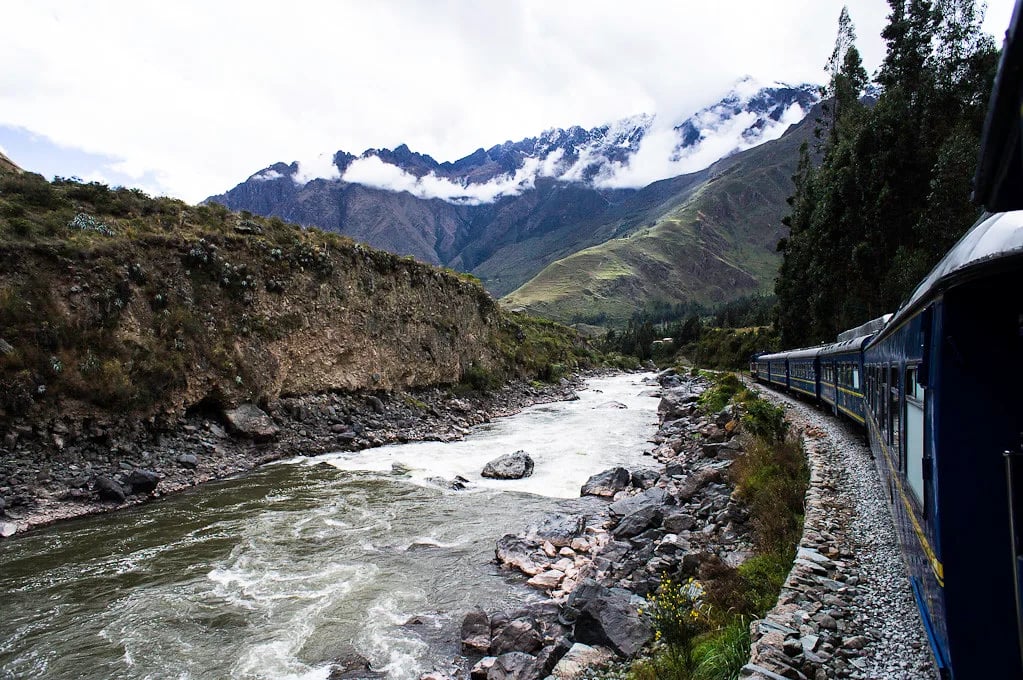
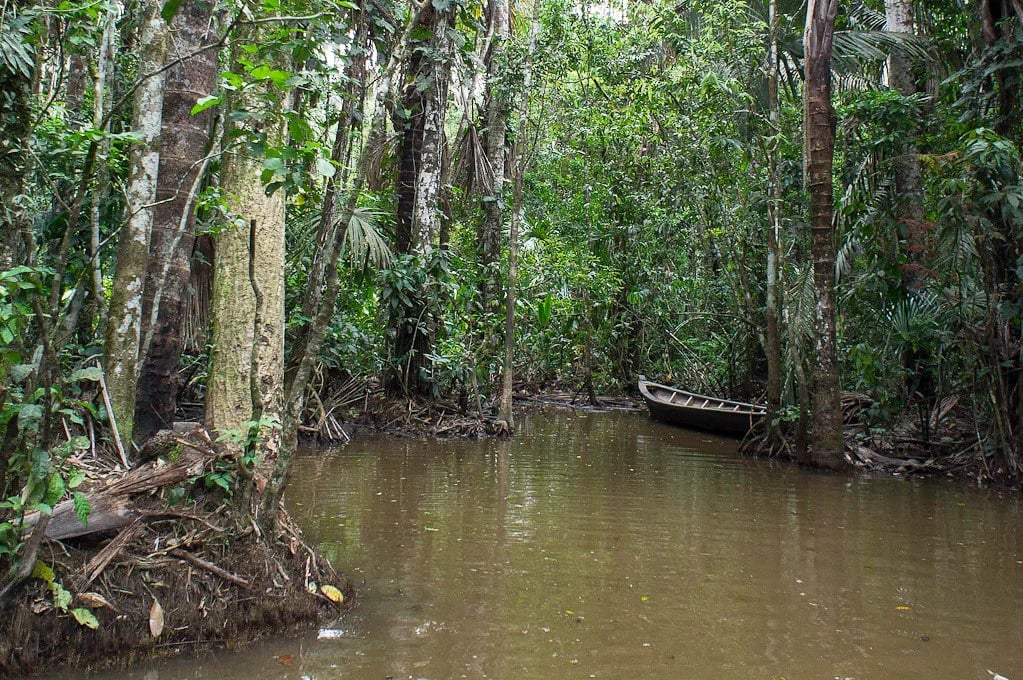
South of Buenaventura and just around two hours from Cali, el pueblito de San Cipriano is a door to the Afro-Colombian culture. Together with two French tourists, we were dropped off near a yellow suspension bridge. From there, we were guided to a railway system operated not by trains but by motorbikes, or brujitas, as Colombians call them. These ingenious vehicles are made out of wood, are sustained by three rail wheels, and have a fixed motorbike powering them. Whenever another brujita approached us in the opposite direction, one of them had to be pulled off the rails so that the other could continue. We rode for around 20 minutes through the jungle and were pulled twice out of the rails until we finally reached San Cipriano – it was great fun!
Upon arrival, we were received by a child who guided us to their family, where we decided what to eat for lunch. Unfortunately, there was little to no interaction with the host. Even the children seemed to be used to having white tourists at home, as they stayed in the TV room watching cartoons. After lunch, we spent the rest of the day hiking in the jungle and swimming in the crystal-clear waters of the nearby river.
Further reading
Ipiales, Colombia
15 Apr 2013
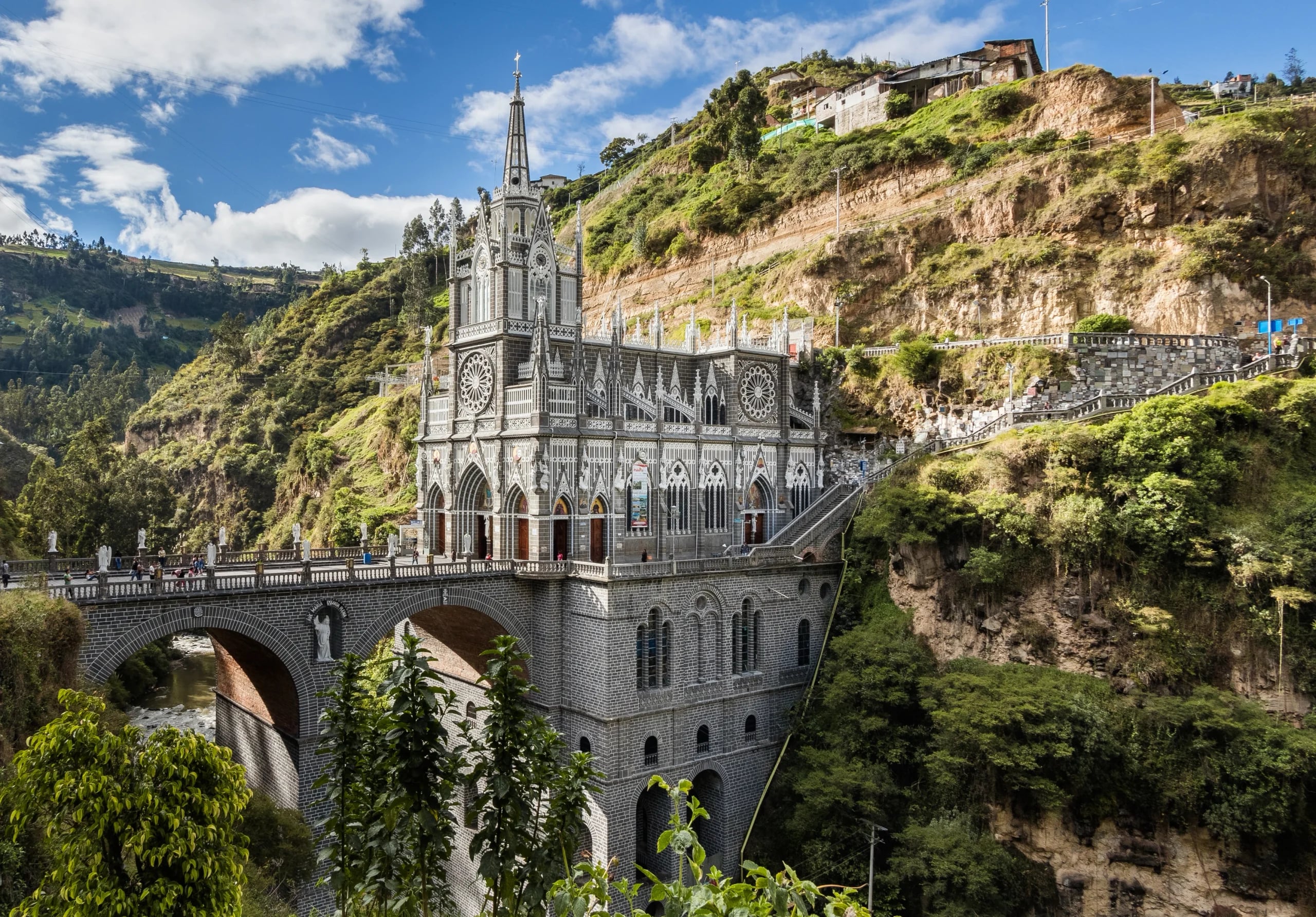
The South American Rivendell
Perched spectacularly over a canyon, the holy site of Las Lajas is my final stop before crossing into Ecuador.
Él Angel, Ecuador
17 Apr 2013
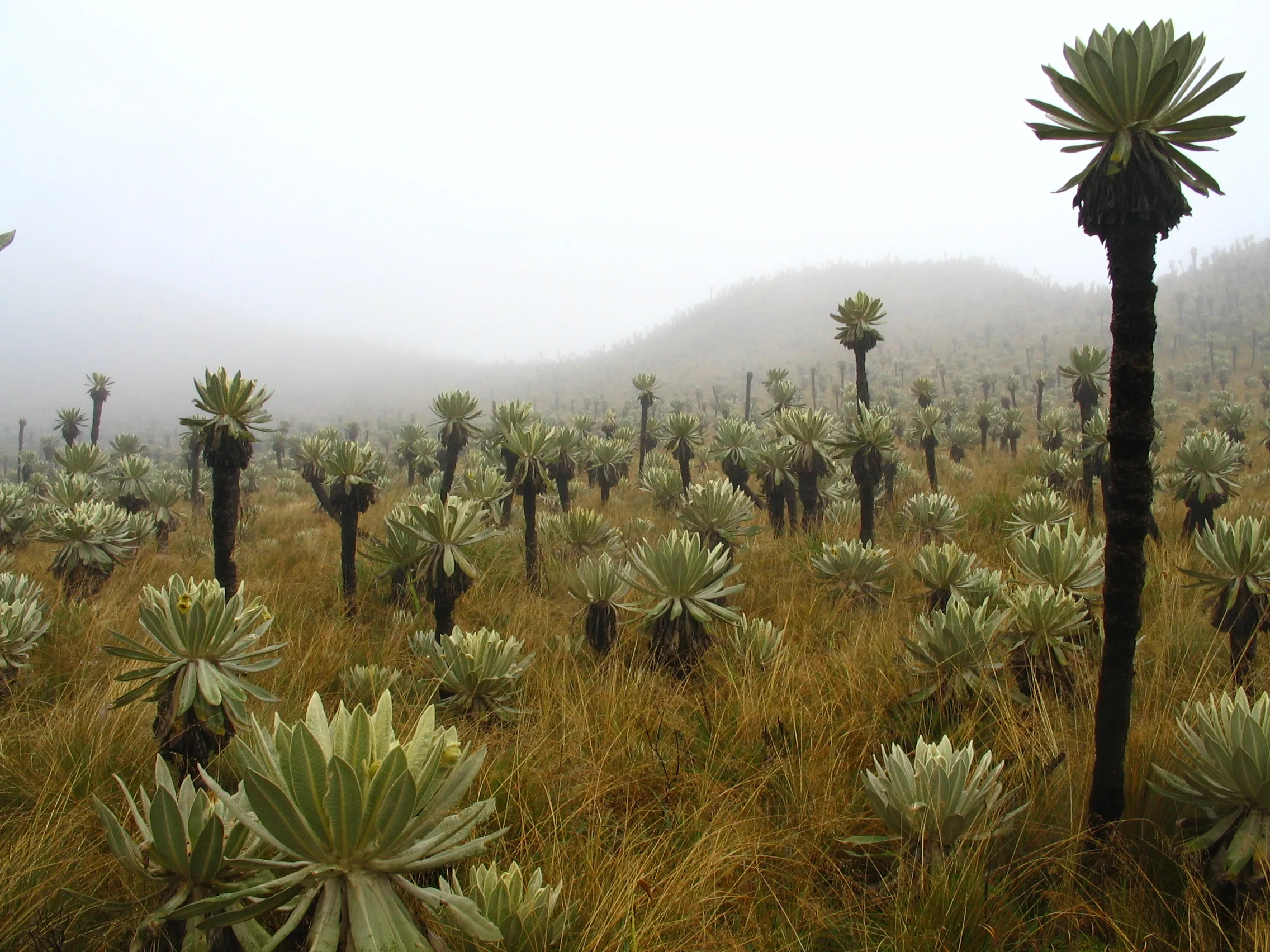
Frailejones and Polylepis
Surrounded by volcanic vistas and thousand-year-old trees in the El Ángel reserve, my time in the Ecuadorian paramo stands as one of the most breathtaking landscapes I’ve ever seen.
Baños, Ecuador
2 May 2013
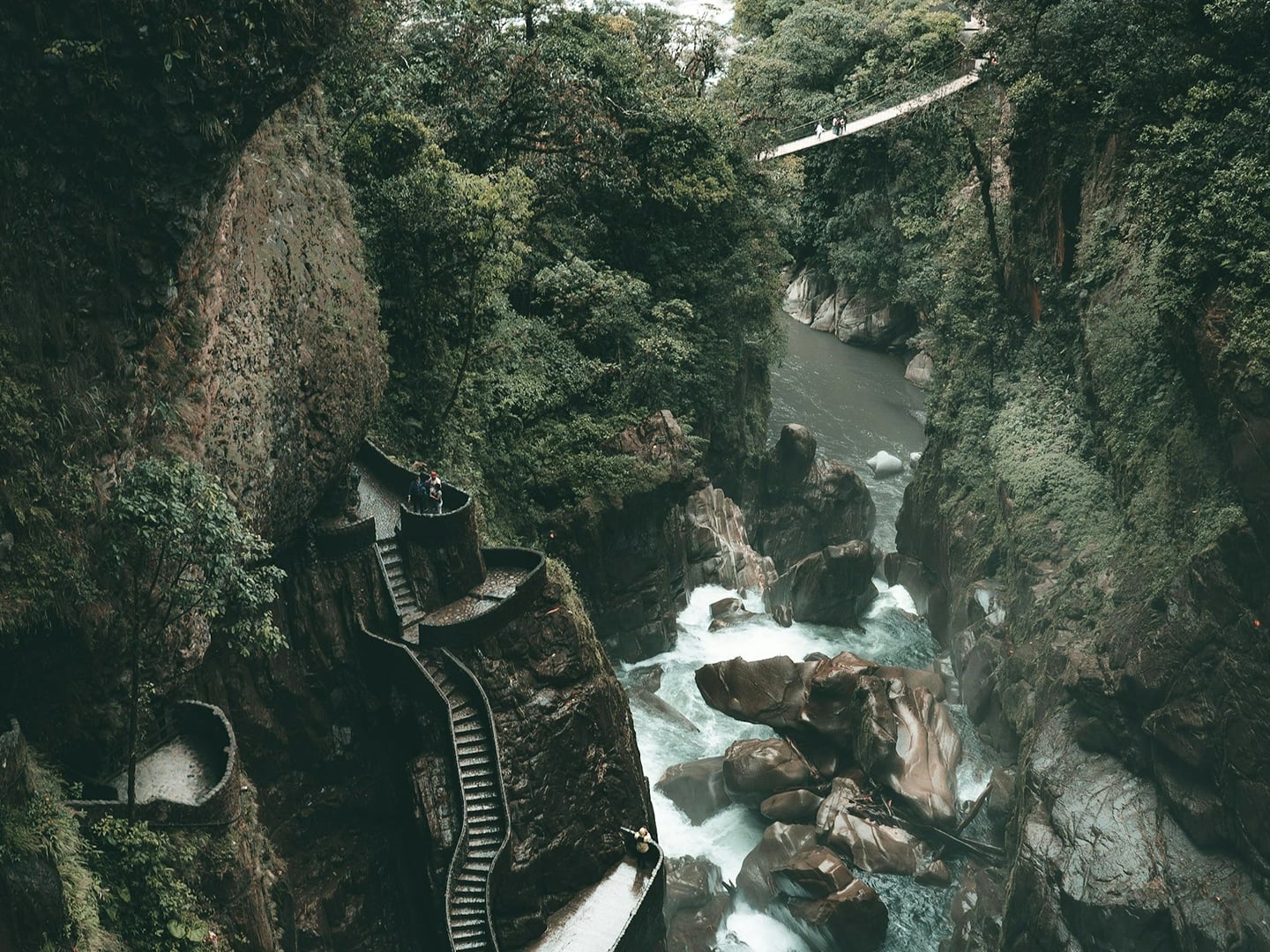
Tungurahua
Surrounded by active volcanoes and waterfalls, Baños is a tourist hub where a 6-hour mountain trek ends perfectly in soothing thermal baths.
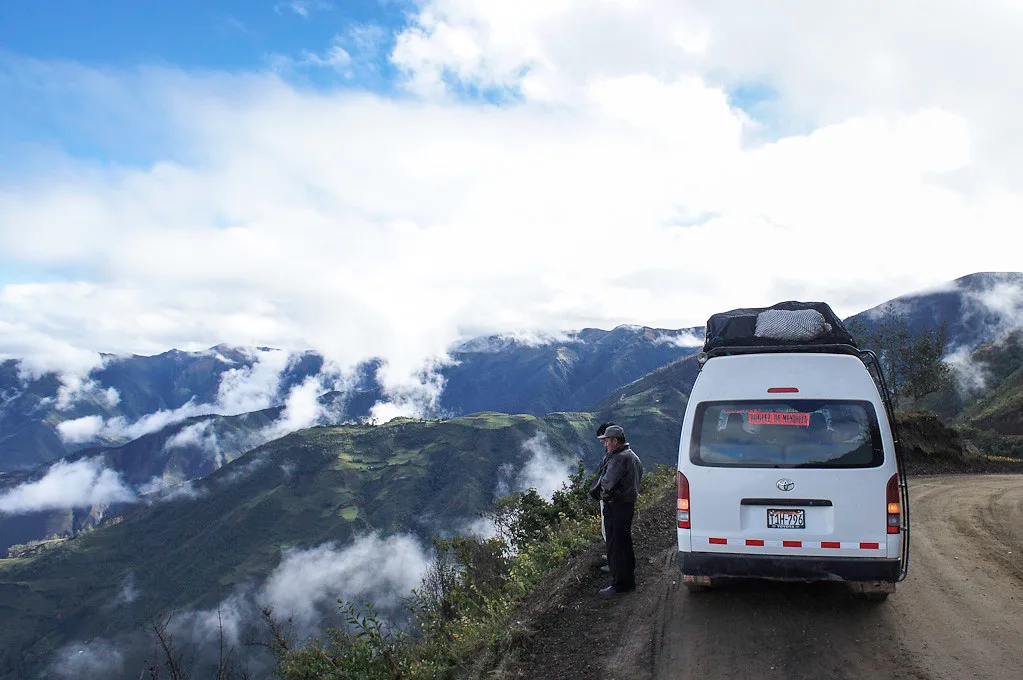
Chachapoyas, Peru
11 May 2013
Road Trip to Heaven
Packed like sardines on an unpaved cliffside road, our 12-hour Peruvian colectivo trip featured Bible verses, near-crashes, and stunning views.