Thorung La Pass, Nepal
1 Nov 2010
First sabbatical
Annapurna Circuit – Thorung La Passage
At an altitude of 5,416 meters, with below-zero morning temperatures (even in summer) and extremely strong winds after 11 a.m., the Thorung La Pass is without question the biggest challenge of the Annapurna Circuit. There is basically no way of avoiding it – unless you go back the way you came, which is only an option if you’re out of your mind. Are you telling me that after carrying your 16-kg backpack for nine straight days, walking an average of eight hours a day, and eating dal with rice very meal, you'll turn your back on the mountains and descend the way you came? Nah, I don’t think so.
I remember the night before… Carsten and I were in Phedi High Camp, at an altitude of 4,800 meters. We spent the night in the one and only available lodge, taking one of the five vacant rooms – had we arrived 15 minutes later, we wouldn’t have found a place to sleep. Had that happened, we would have had to descend to the place we came from and try again the next day.
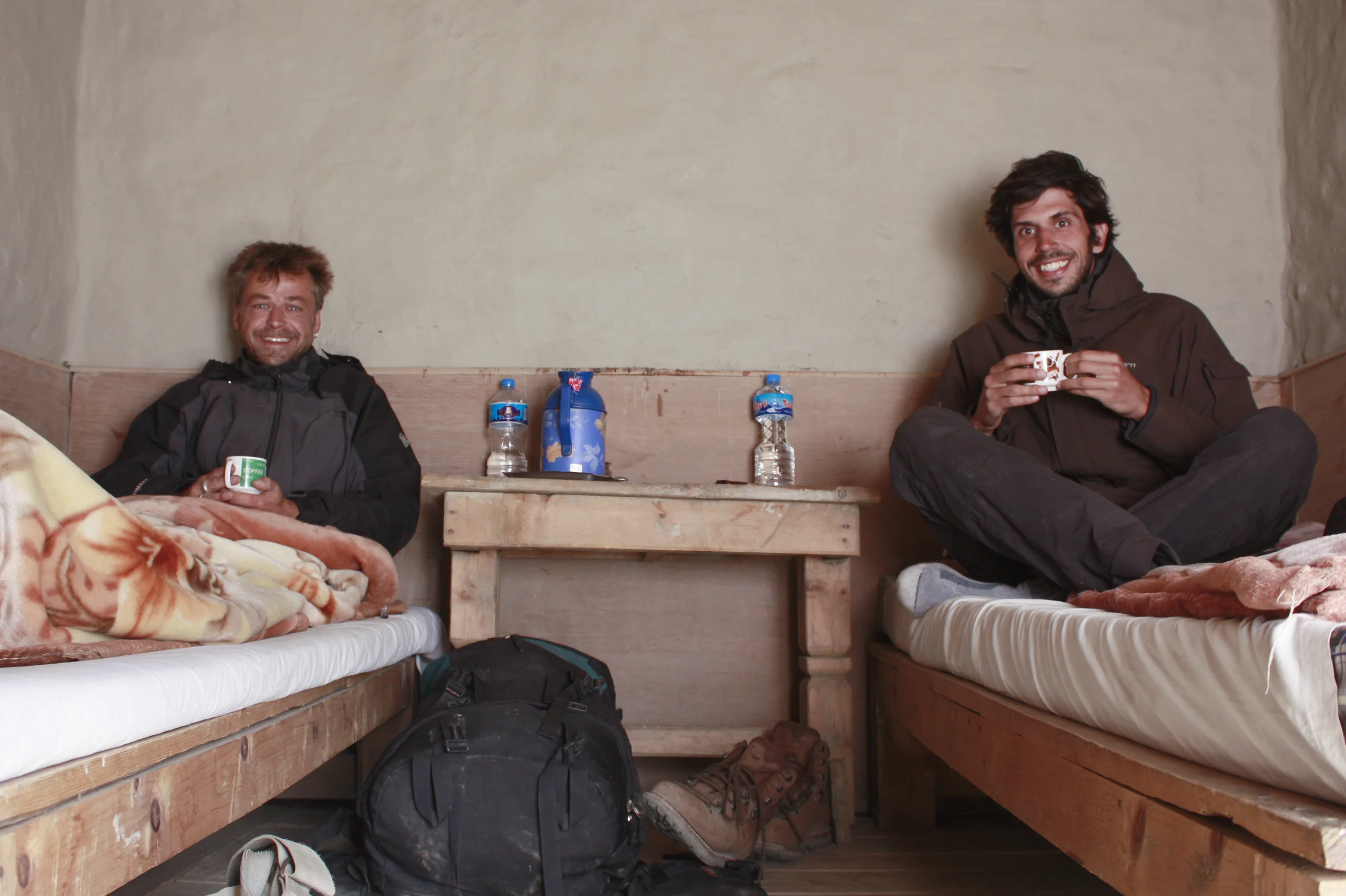
Are you telling me that after carrying your 16-kg backpack for nine straight days, walking an average of eight hours a day, and eating dal with rice every meal, you'll turn your back on the mountains and descend the way you came?
I spent the entire afternoon in the only restaurant – more like a wooden hut with a single room and about 40 seats, heated by a central fireplace. Around 7 p.m., we went to bed. It was cold. Very cold. There was really no difference between the temperatures outside and inside the room. I was slightly afraid of the next day. As a matter of fact, I might have been very afraid, since I spent the whole night awake thinking about every single thing that could go wrong on the ascent to 5,416 meters: AMS, heavy snow, bad weather, diarrhea, and other nightmares my imagination cooks up while I roll in bed, longing for sleep.
Around 4 a.m., I stood up. I said, “Carsten, this is it. Let’s go. Today is gonna be the day.” It was pitch black outside and bloody cold (maybe -5°C); my headlight showed snow and frost along the path. After 10 minutes of trekking, I was out of breath – it was just too steep and cold. We hadn’t had breakfast, and somehow I didn’t feel very good. Anyway, it was too soon to think about AMS or any other related problems. We had about five hours of ascending ahead of us, and as time passed, I only felt worse.
Within an hour, we reached a teahouse. For me: an oasis.
—Carsten, I’m not feeling very well… I don’t know if I can make it…
—Have some milk tea,” he said. “Eat something.”
I could sense Carsten’s worry in his voice. I had headaches and nausea – the very same symptoms a German woman was having: “Ich schaffe es nicht, ich kann nicht weiter…” she said to her husband. She was everything but helpful.
I drank some milk tea and devoured a Snickers bar. I closed my eyes and tried to rest. Carsten waited patiently for 20 minutes. Slowly, I started regaining energy and feeling better – Snickers bars can really work miracles! We resumed our ascent to the pass. Carsten had never looked so skeptical, and I had never felt so determined.
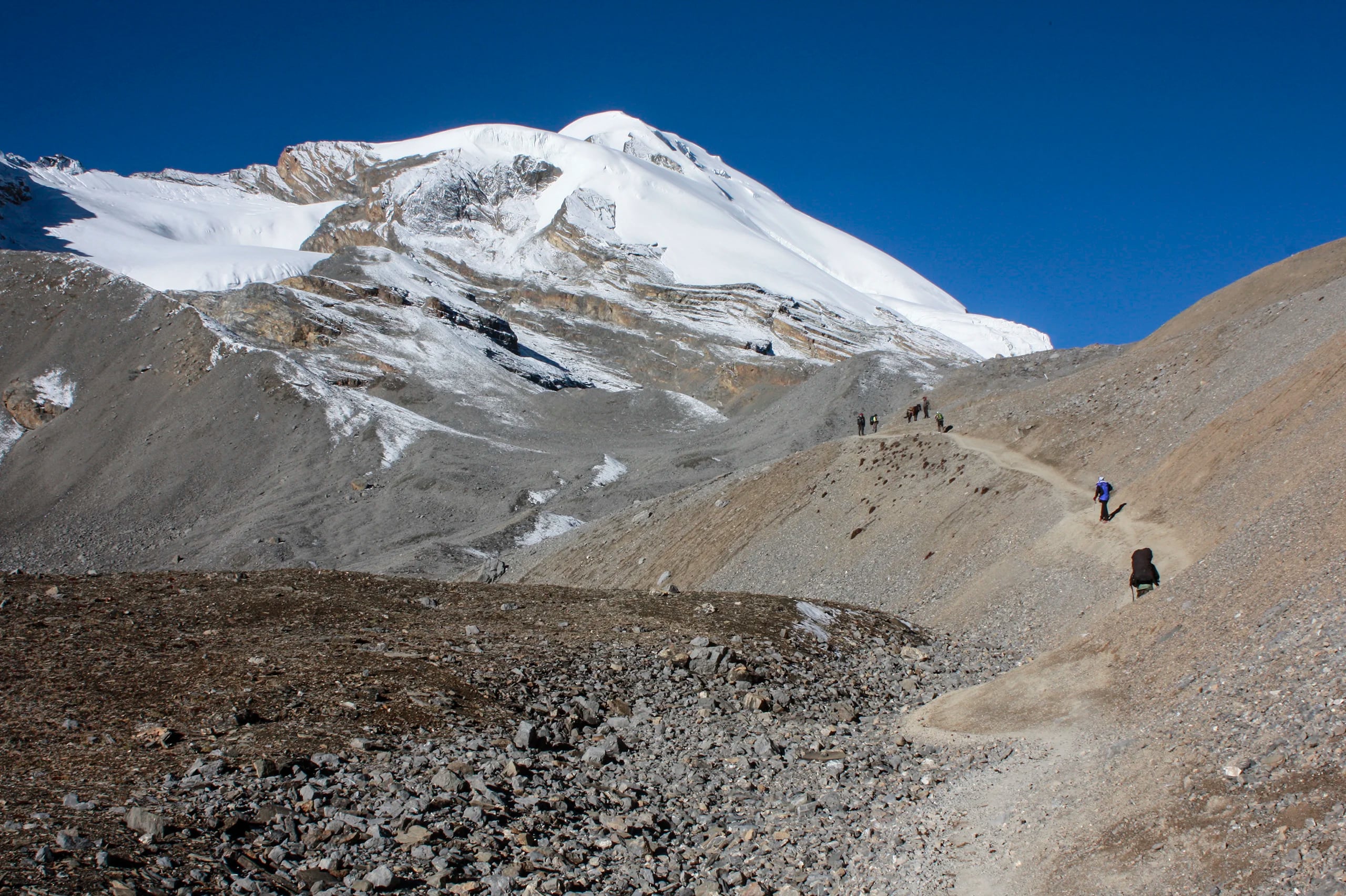
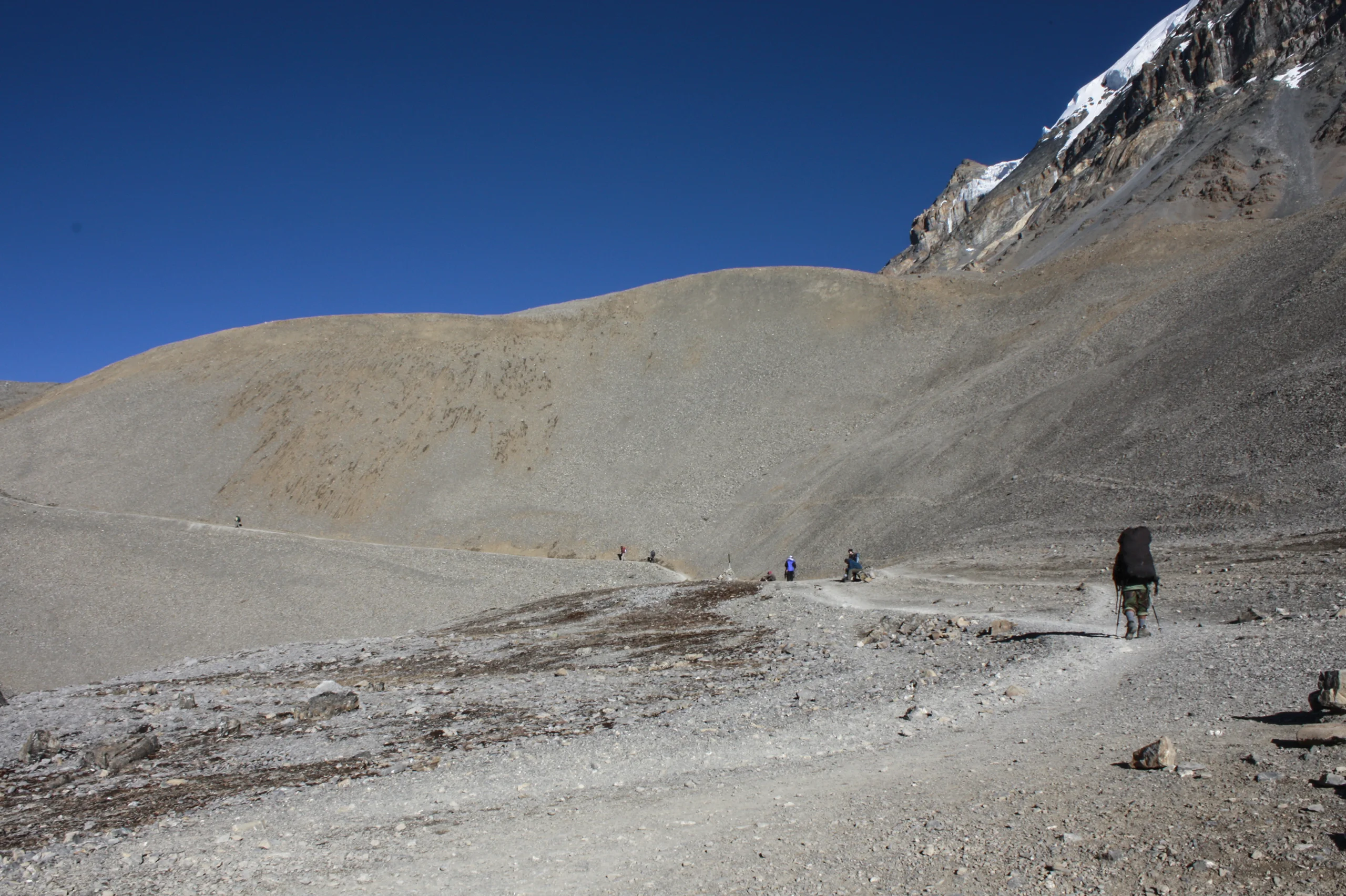
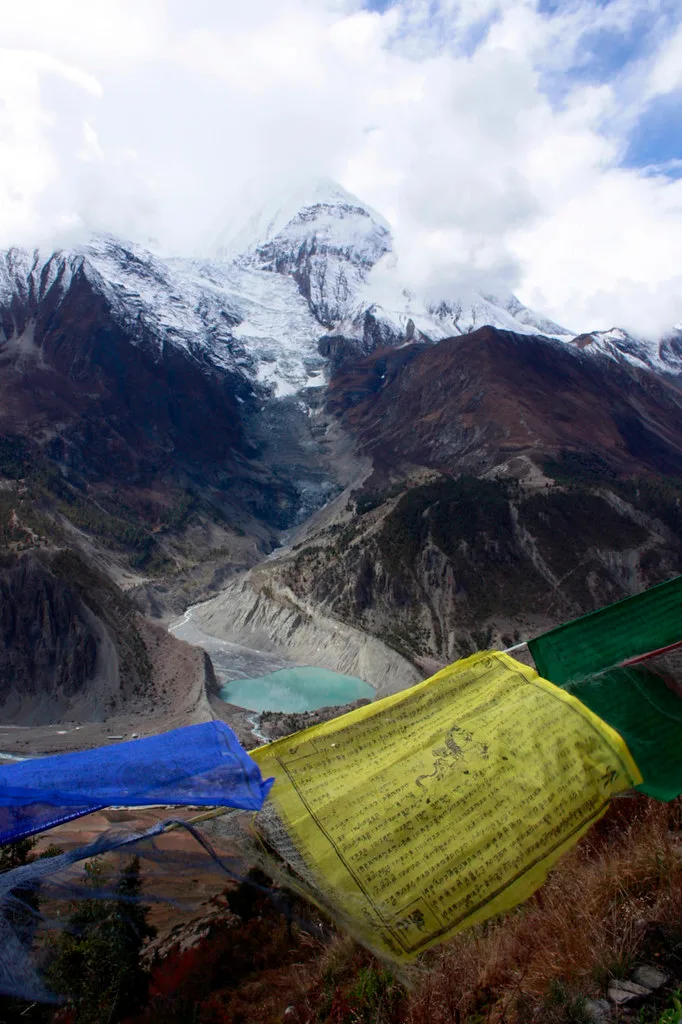
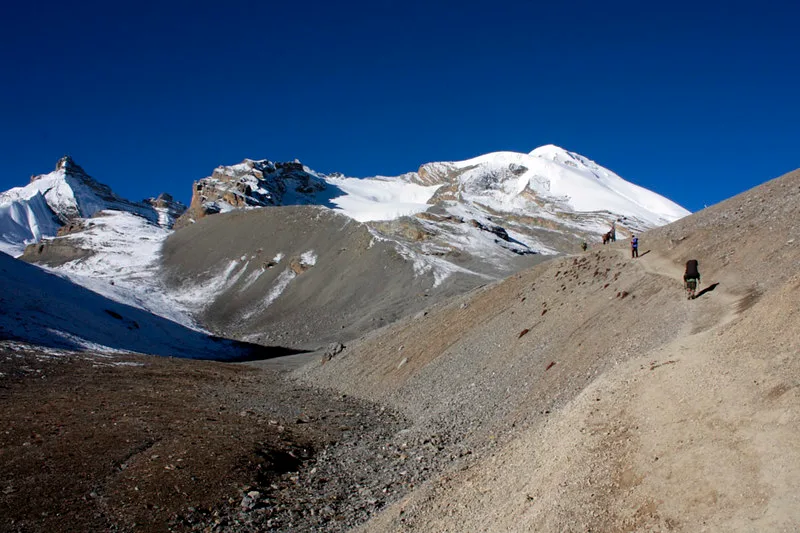
We reached the pass around 9 a.m. Although exhausted, I couldn’t start descending without taking some pictures of the surroundings. The view was absolutely magnificent: white mountain peaks against the clear cobalt-blue sky, the sun warming your senses and highlighting all that beauty. “Man, how can I photograph this? How can I save these memories?!”
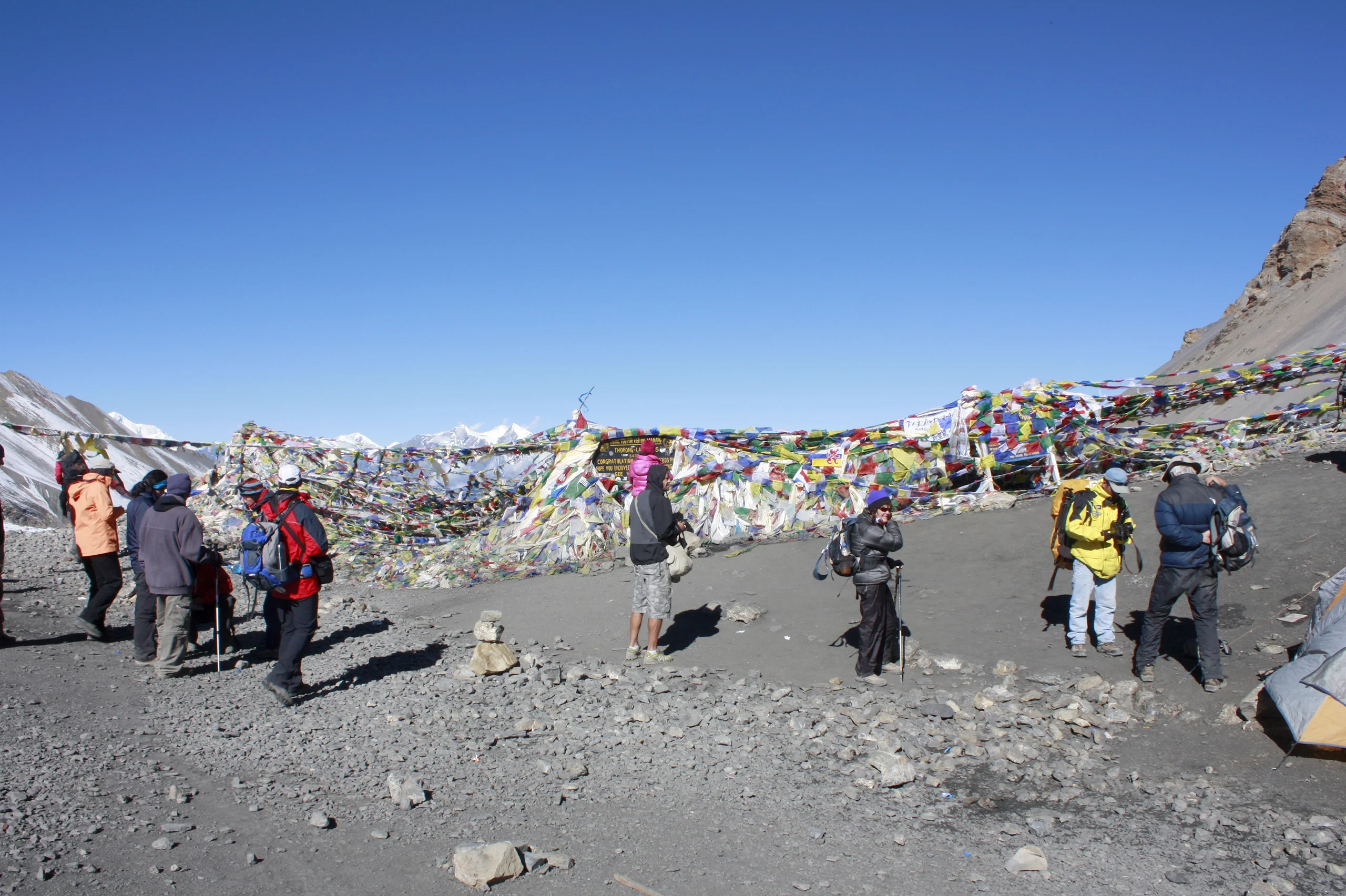
We had done it. We were at the pass, at 5,416 meters, with the Himalaya range on the horizon. “Man, what a feeling!” We took several pictures, hugged, looked at each other, and started descending to Muktinath – more than five hours of going down… down… and down.
Further reading
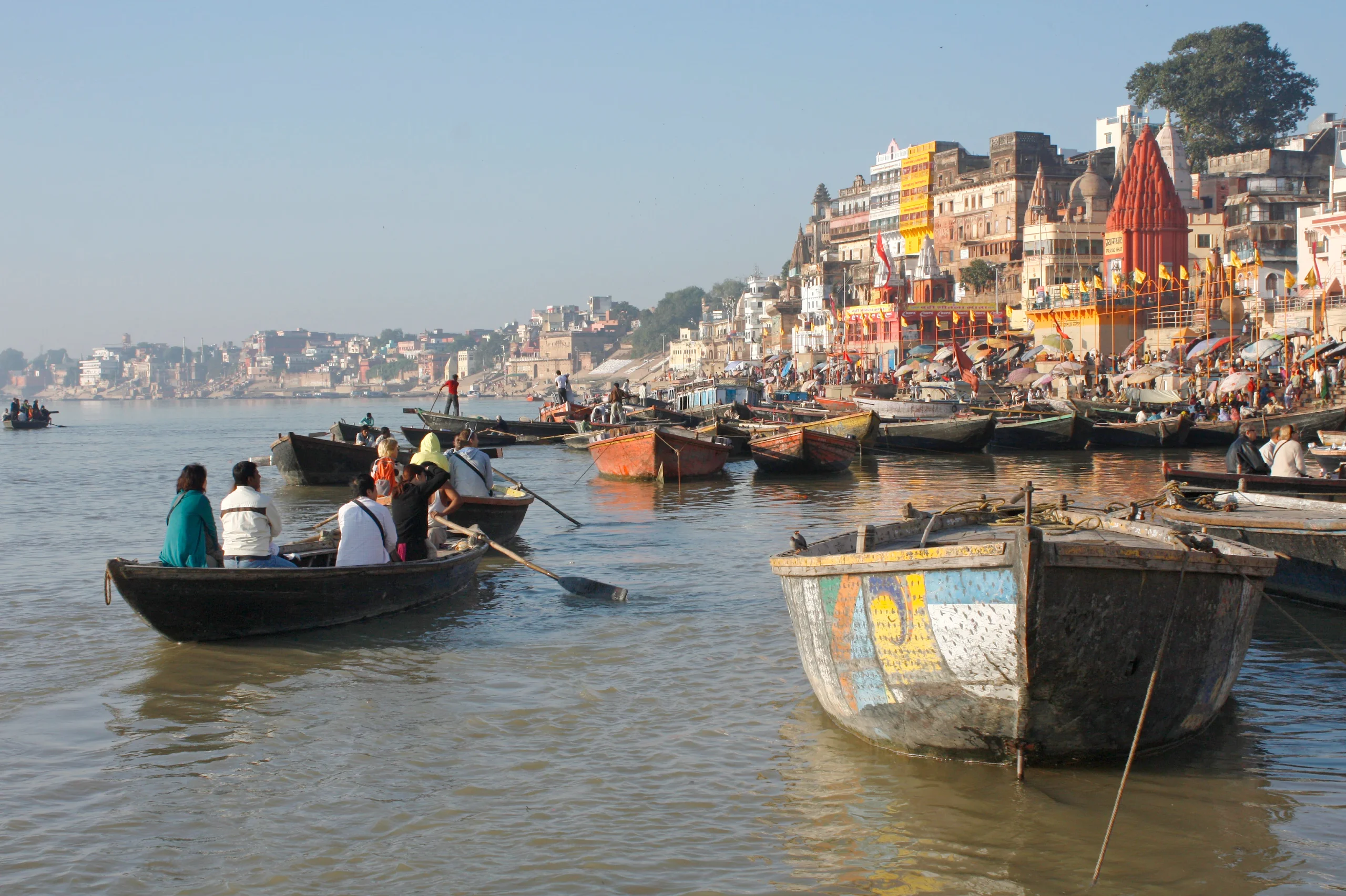
Varanasi, India
3 Nov 2010
The craziest place on earth?
I've arrived Varanasi two days before the start of Diwali, the Hindu festival of lights. I had no idea what was in store for me.
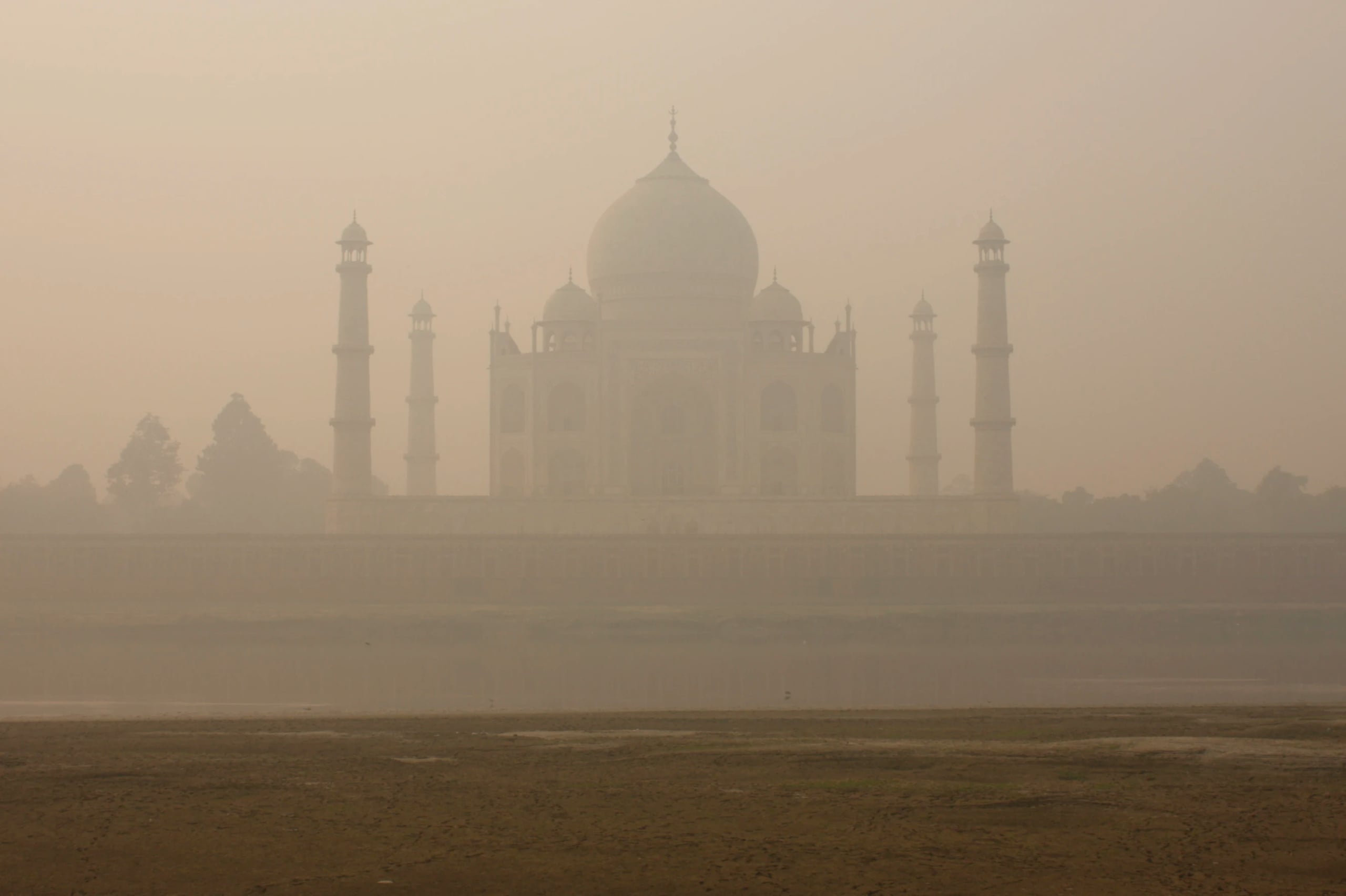
Agra, India
7 Nov 2010
Hungry for Agra
A fellow travel I've met in Nepal suggested Agra as a stop over en route to Delhi. Visiting the former Indian capital, its fort and well-known palace? I couldn't say no.
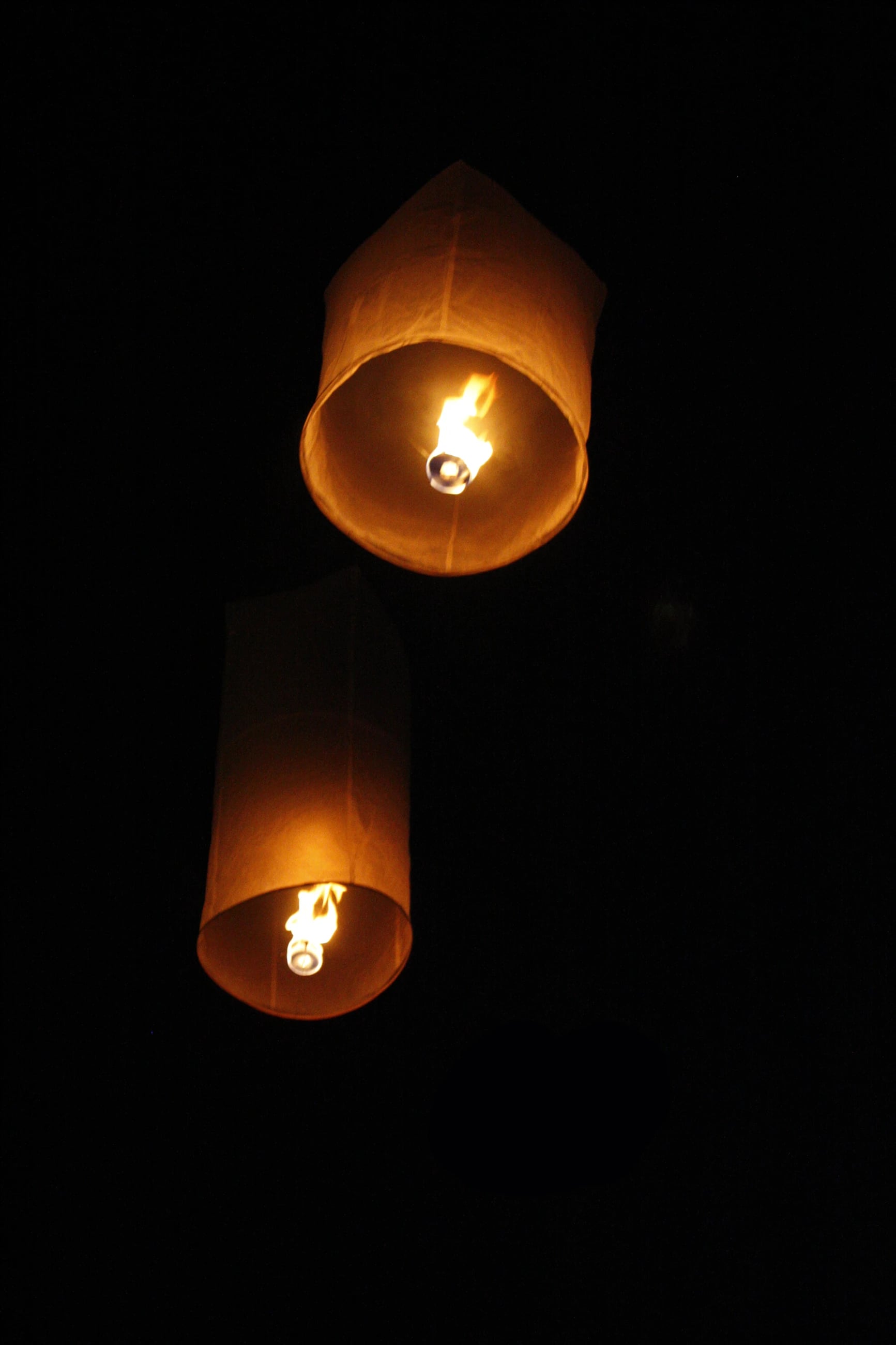
New Delhi, India
8 Nov 2010
New Delhi from the hotel balcony
While everyone in Delhi is probably out enjoying Diwali, I’m trapped inside, counting the minutes between bathroom runs.
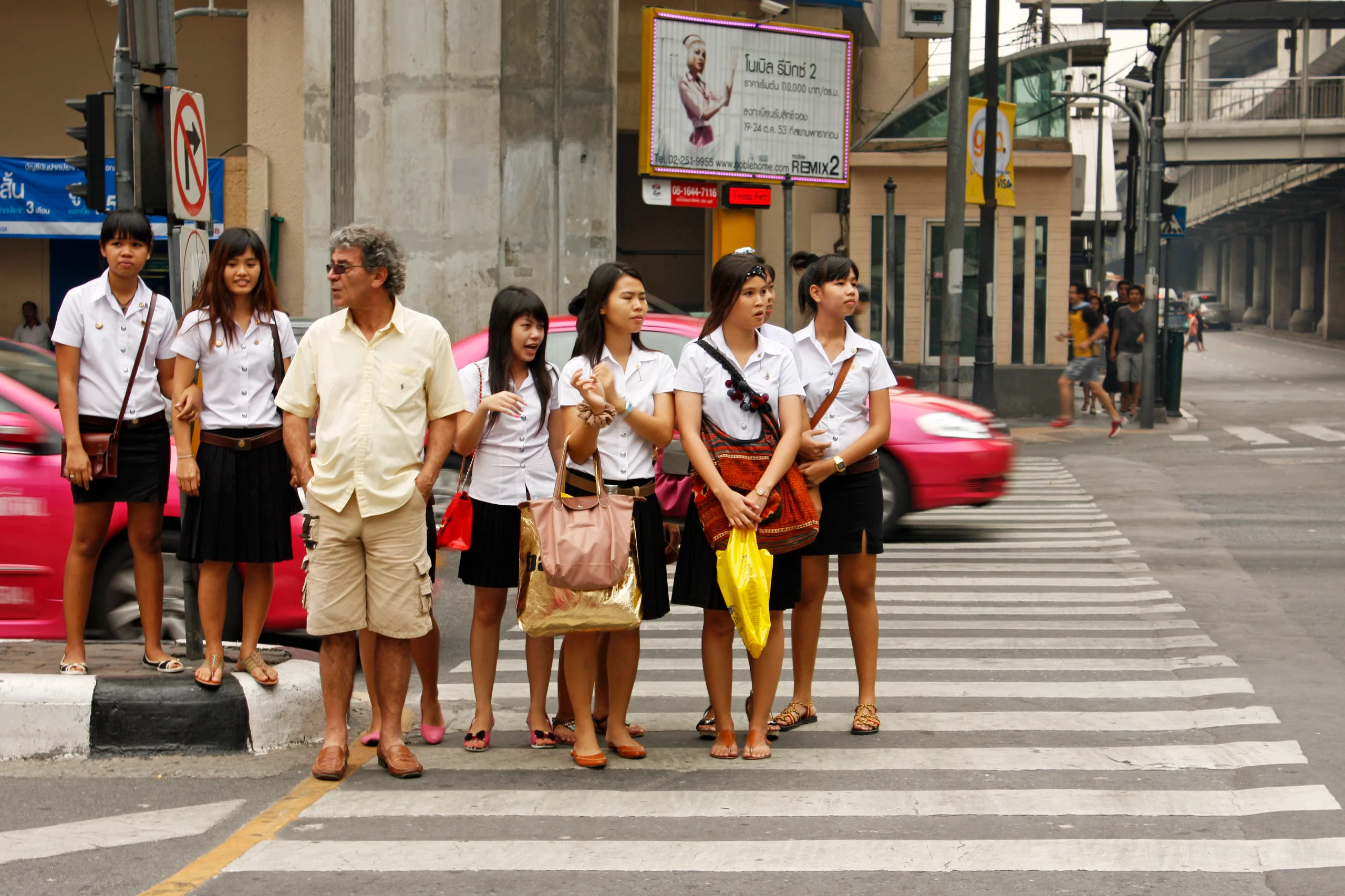
Bangkok, Thailand
13 Nov 2010
Hello Bangkok, goodbye Bangkok
From above, people resemble ants – moving constantly in perfect synchronization with traffic lights and traffic jams.