Nam Ha NPA, Laos
16 Dec 2010
First sabbatical
Where the wild things are
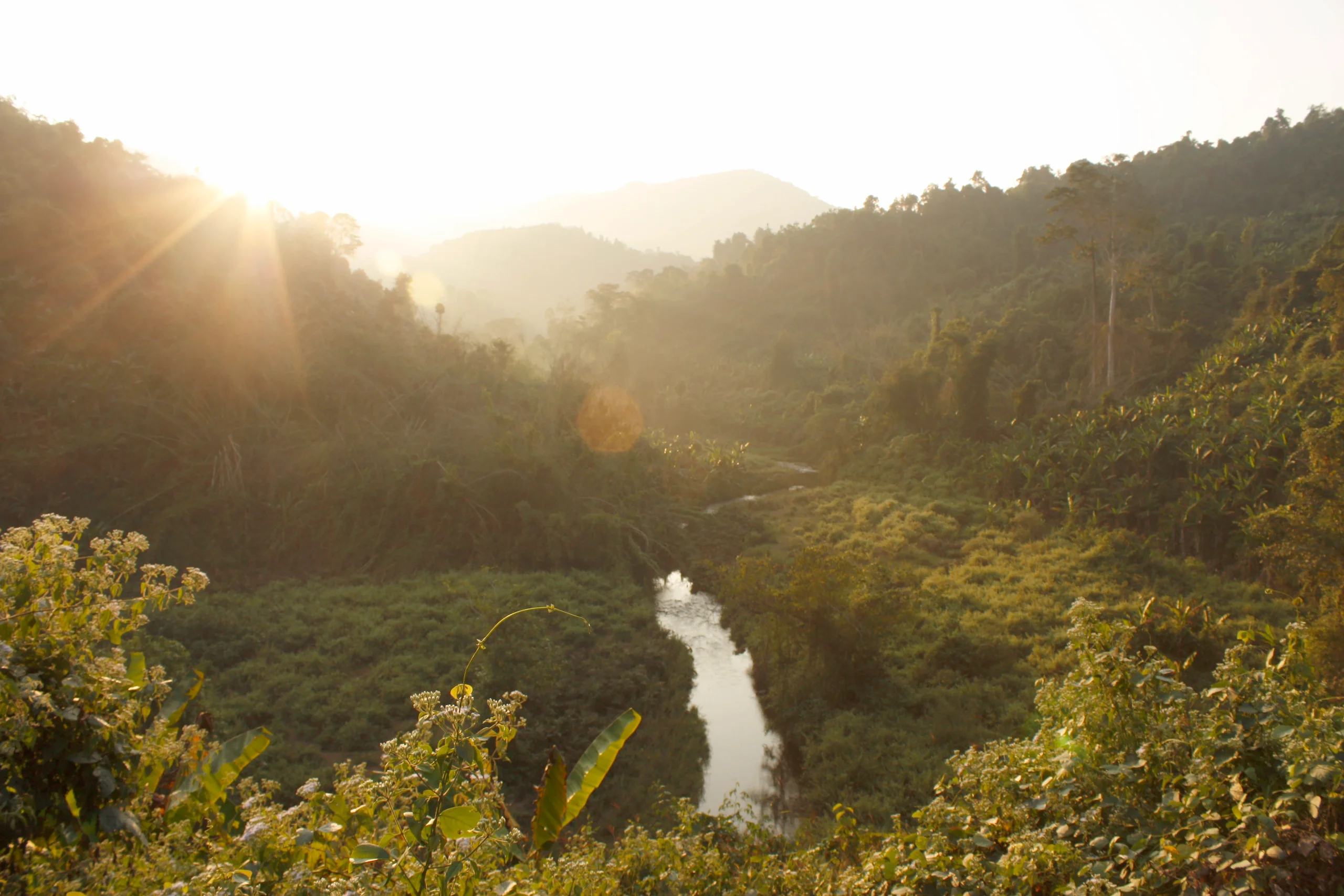
December 9th. We check out at 7:30 in the morning. A three-day trek in the Nam Ha NPA (National Protected Area) awaits us. My guidebook says: “Nam Ha NPA was set up in 1993 as part of a government initiative to protect 2,224 sq km of key species such as tiger, leopard, gaur, Asian elephant, black-crested gibbon, and muntjac, plus an estimated 280 species of birds.” The bus leaves at 8:00, which means almost no time for breakfast before heading into the wild. A watery Lao coffee and two slices of dry bread with butter leave me far from ready for the jungle. I sent my sleeping bag and trekking shoes from Chiang Mai to Germany, so I have no choice but flip-flops and a pair of Chuck Taylor All-Stars. I have the feeling this is not going to turn out well.
On the tuk-tuk, besides Anne and me, sit our guide, Phonesack, and four other tourists: Tommy from Norway, Fiona from New Zealand, Erica from England, and David from France. We have all renounced the pleasures of civilization for three days of prehistoric wildness. Enthusiasm fills the group. Everyone seems excited at the idea of meeting tigers and leopards, stepping on snakes, bumping into gigantic spider webs, getting blood-sucked by dozens of starving leeches, and being bitten by unknown insects. I feel somewhat alienated by all this exhilaration, and Woody Allen’s words in A Midsummer Night’s Sex Comedy pop into my mind: “Nature is… spiders and bugs, and big fish eating little fish, and plants eating plants, and animals eating animals… It’s like an enormous restaurant.” I do love nature, but there is a big difference between petting a cat in a nice garden with a lake view and facing a tiger in a humid, dense, and unfamiliar jungle.
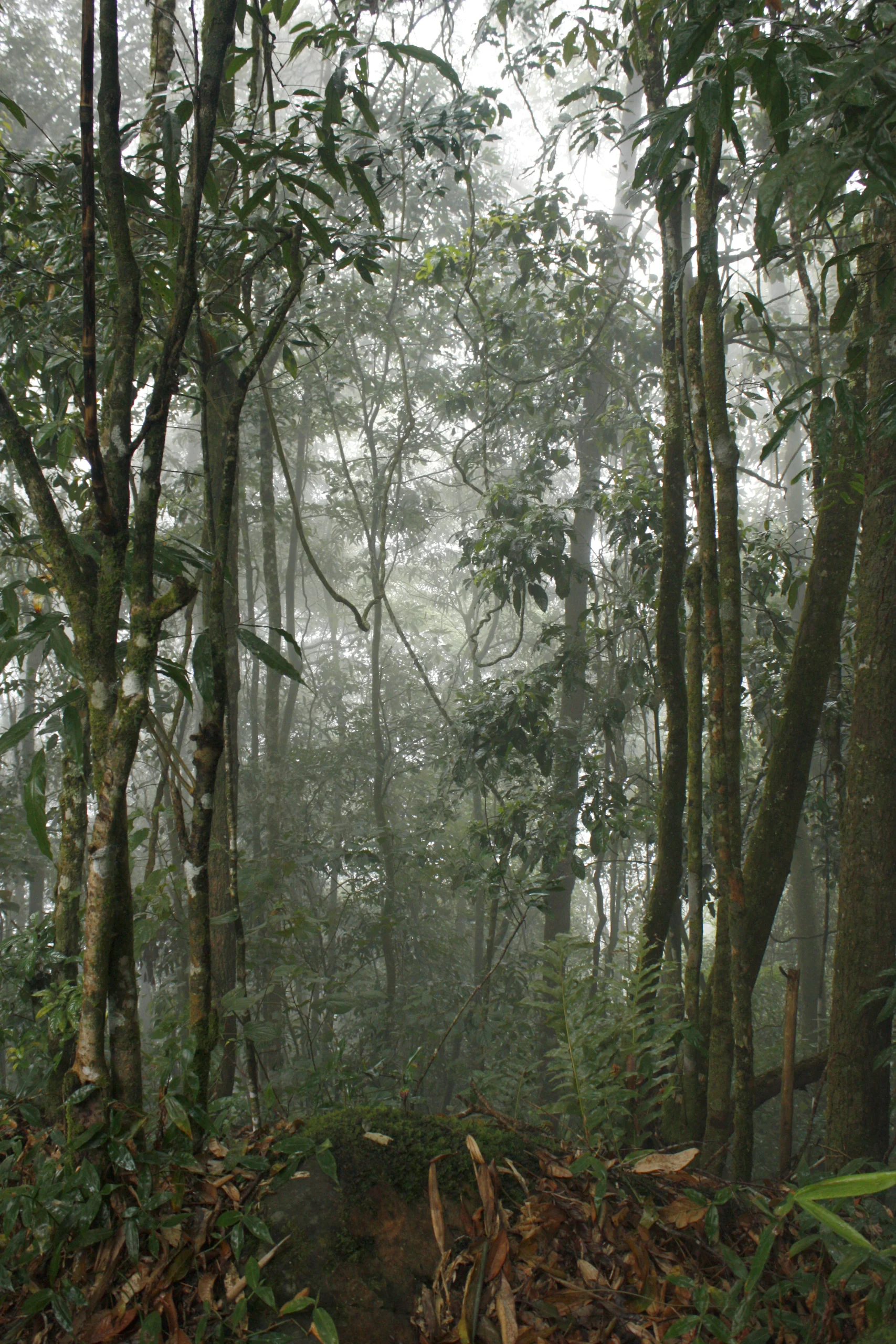
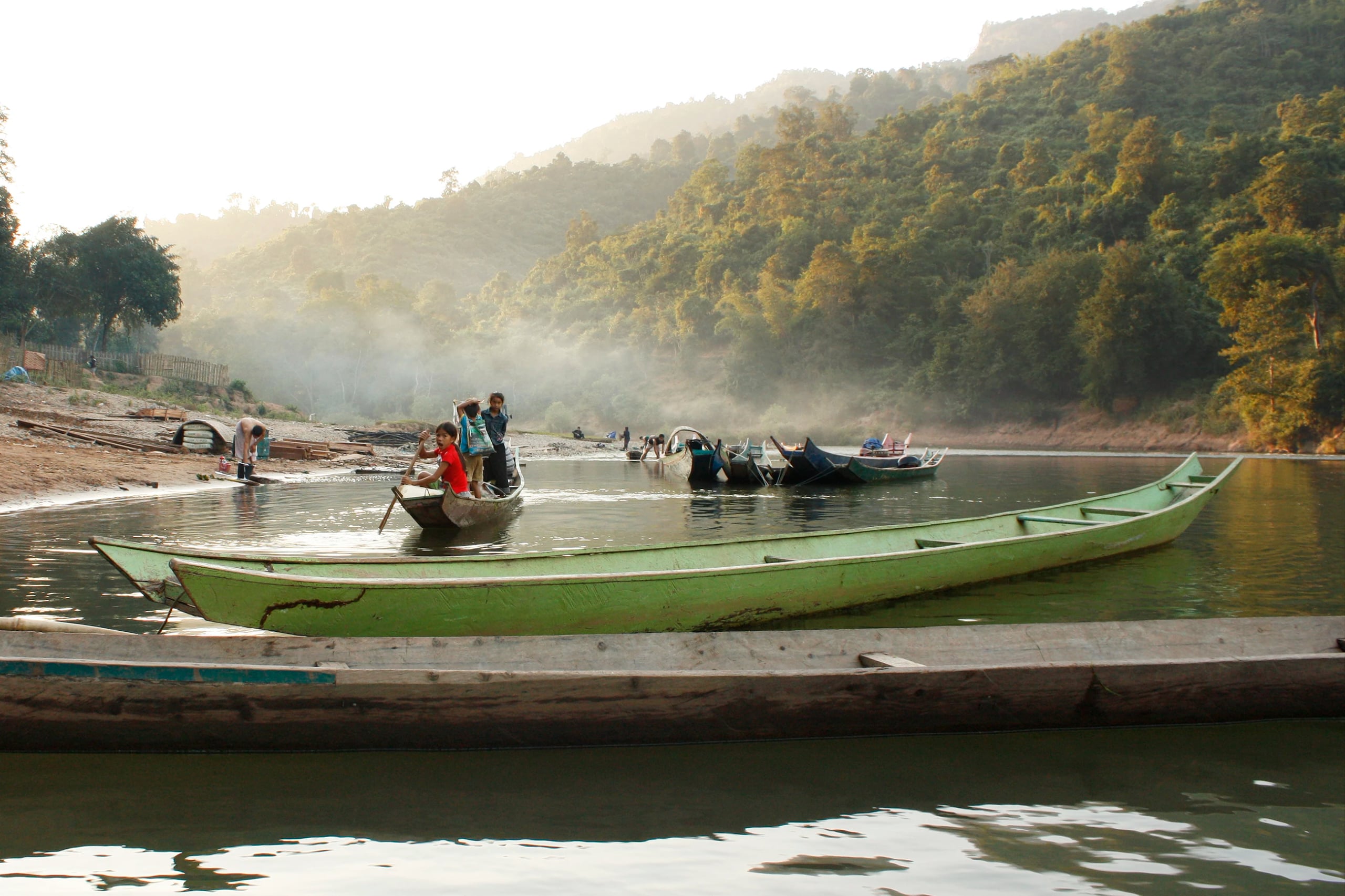
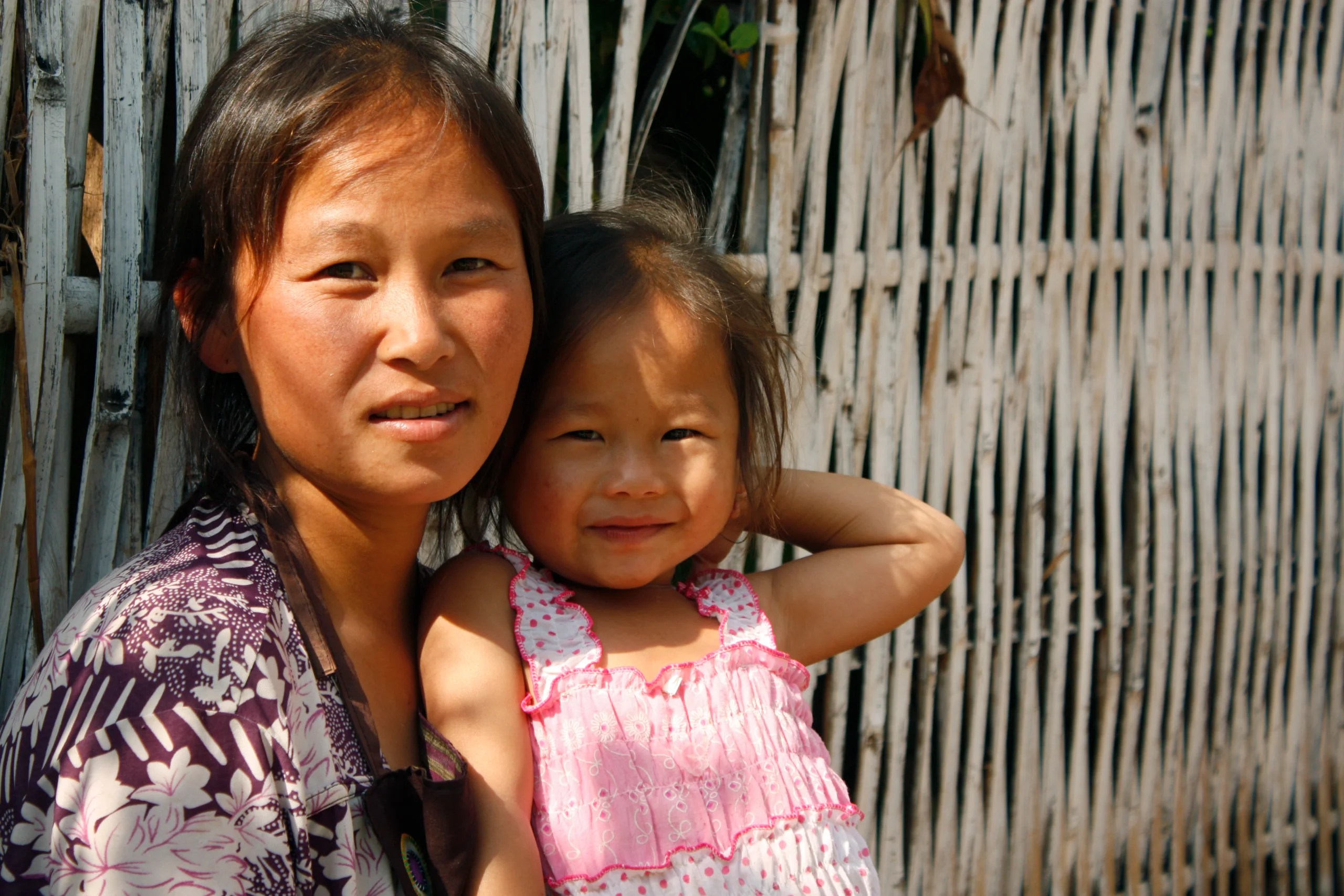
After a one-hour drive, we arrive in a small village, warmly received by the local tribe. The stop lasts only a couple of minutes – just enough time to visit the primary school, recruit two local women to carry our food supplies, say goodbye to the tuk-tuk driver, and head toward where the wild things are.
The first day runs smoothly. I quickly grow familiar with the thousands of leeches that materialize on my skin – there is simply no way to avoid them. The sneaky bastards are everywhere: in your socks, on your feet, between your toes, on your legs, even on your belly. They bite, suck your blood, and drop off unnoticed, leaving long trails of red behind. During one barefoot river crossing, I almost step on a big dark gray snake, perfectly camouflaged against the neutrals – although I’m pretty sure it could have killed me, everyone else seemed highly amused. We see huge spiders, butterflies, leeches, bugs, and small reptiles, but no mammals or birds.
We reach the camp just before sunset. The two local women have already lit the fire and begun cooking dinner. The “camp” is nothing more than a large wooden house without walls, a banana-leaf roof, a wooden floor, and a pile of 10-centimeter mattresses where, I assume, we will lay our jungle-explorer bodies. Night in the jungle couldn’t be colder. The sun is long gone, and pitch-black darkness surrounds us. The only light comes from the fire, around which we all gather to share travel stories while waiting for dinner.
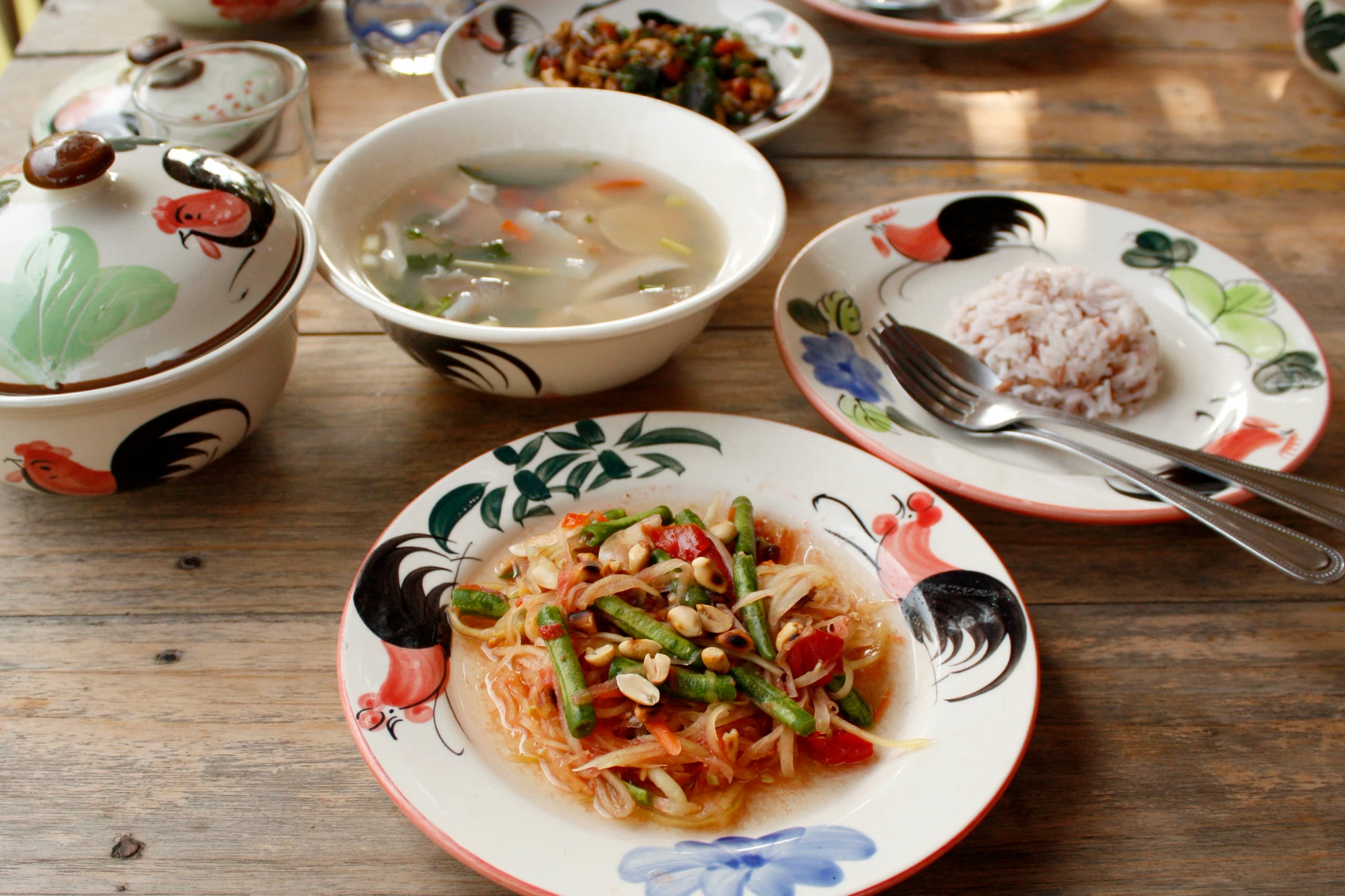
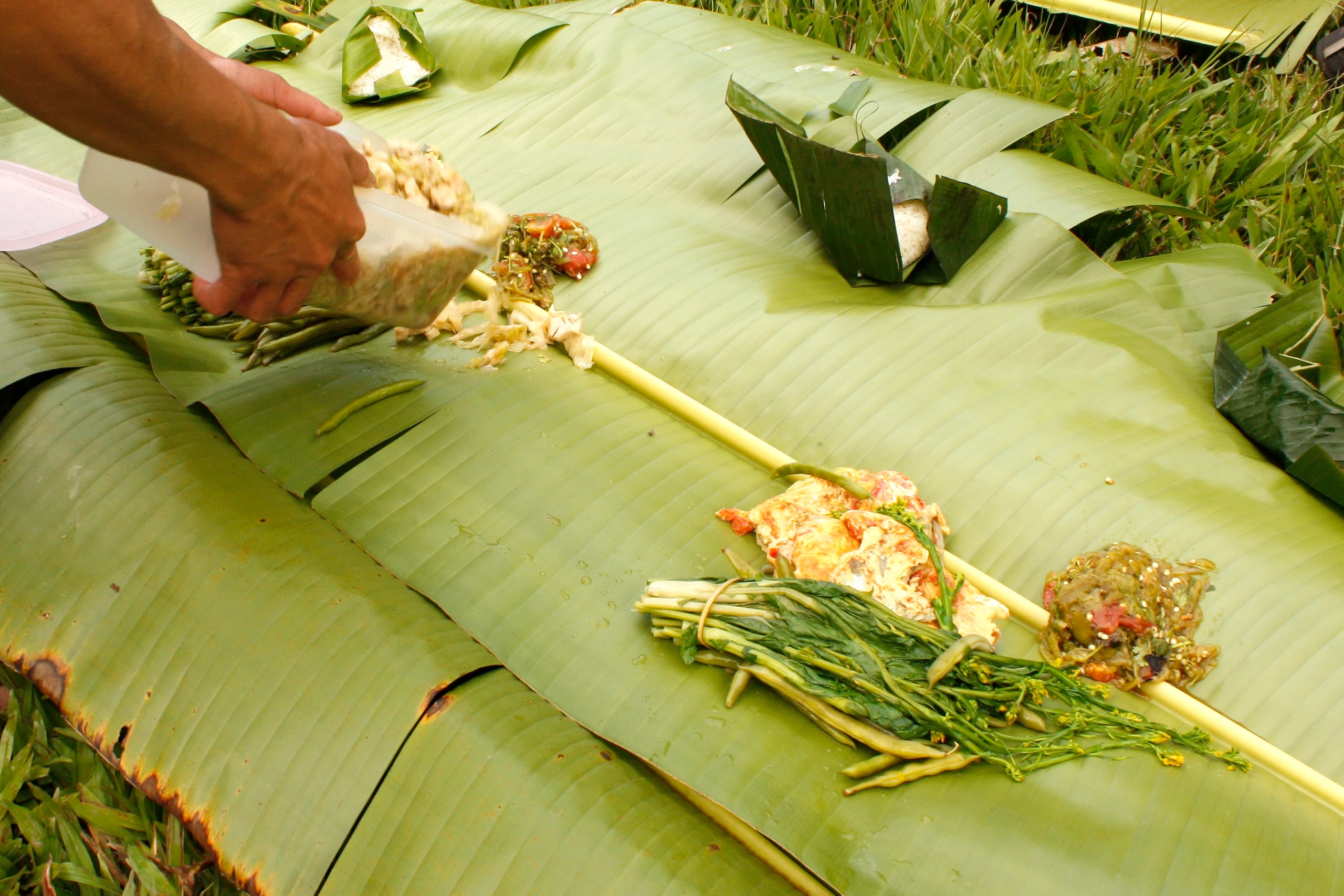
“Dinner’s ready.” Sticky rice, vegetables, fried tofu, chicken curry, and a delicious tomato sauce are spread out on the floor, illuminated by candlelight and giving the place a magical atmosphere. Everyone is hungry enough to stay silent, turning the meal into an introspective act of digestion. I am the last to finish. “Kop chai lai lai (thank you very much), this was a marvelous meal.” Tiredness, lack of electricity, and limited imagination send everyone to bed at eight o’clock. I wake in the middle of the night needing to pee. My flashlight provides almost no visibility, and I shiver at the thought of urinating in the dark, surrounded by wild animals ready to eat me alive. Apart from a few scratches and two leeches on my right leg, I return to bed without major injuries.
The smell of coffee wakes me on my second day of insanity. Anne sleeps gently, and I do my best not to disturb her. I put on every piece of clothing I own and join Phonesack, who sits by the fire with an improvised bamboo cup of Nescafé.
The second and third days are much like the first. Aside from the weather shifting from sun to rain, the variety of animals we encounter doesn’t change. We catch sight of a few water buffalo, but I wouldn’t exactly call them wild – they’re actually quite amusing and laid-back. The only traces of leopards, tigers, and bears are scratches on trees and footprints in the mud. They don’t seem to appreciate human company. Leeches, on the other hand, couldn’t be happier.
By the end of the third day, I am daydreaming of a good cup of coffee, a warm bed, and a soft pillow – the small things that help soften the wildness inside you.
Further reading
Luang Prabang, Laos
17 Dec 2010
Luang Prabang je t'aime
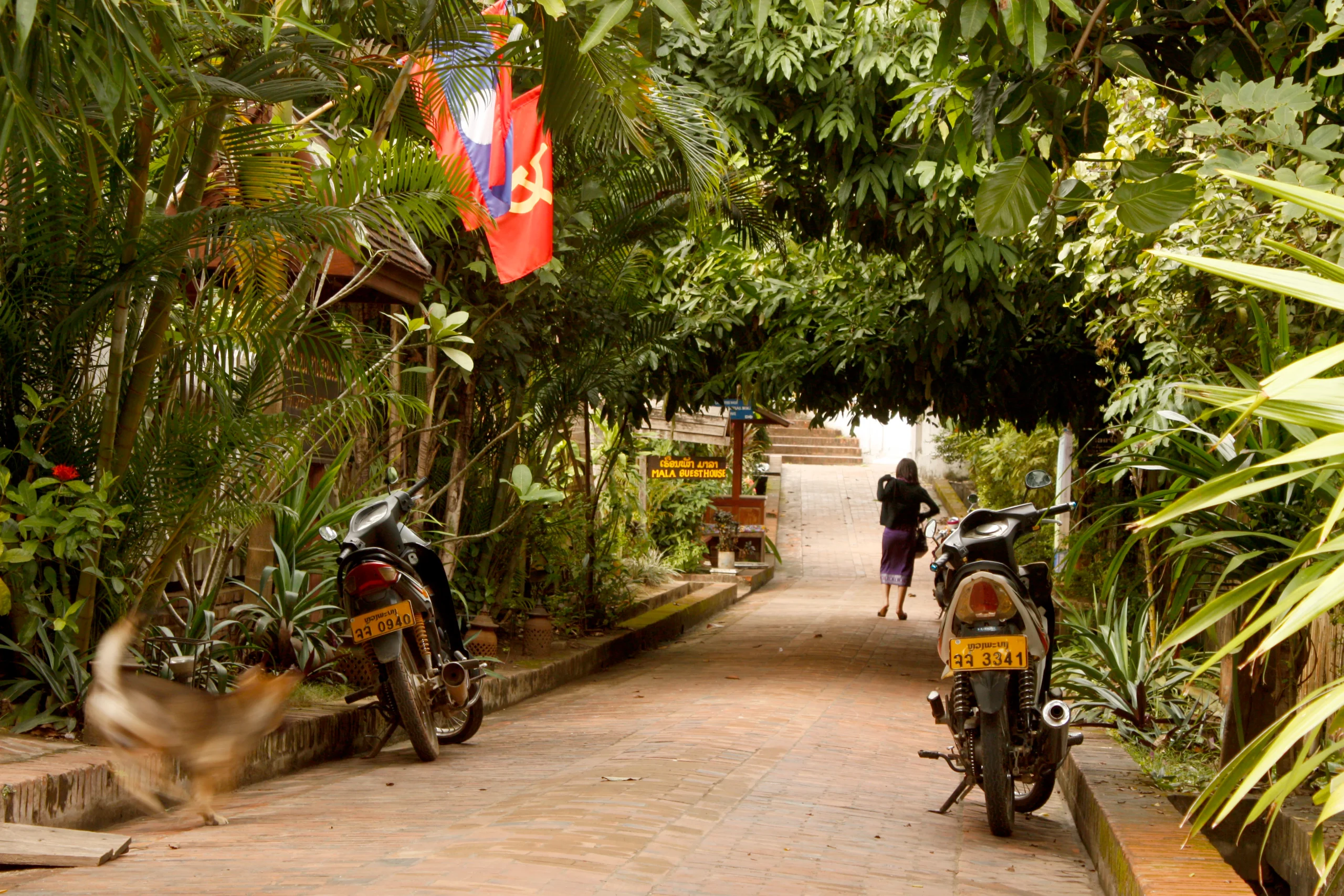
Narrows alleys with colonial French architecture and lush green vegetation. Bienvenue à Luang Prabang.
Kratie, Cambodia
4 Jan 2011
Blue in Green
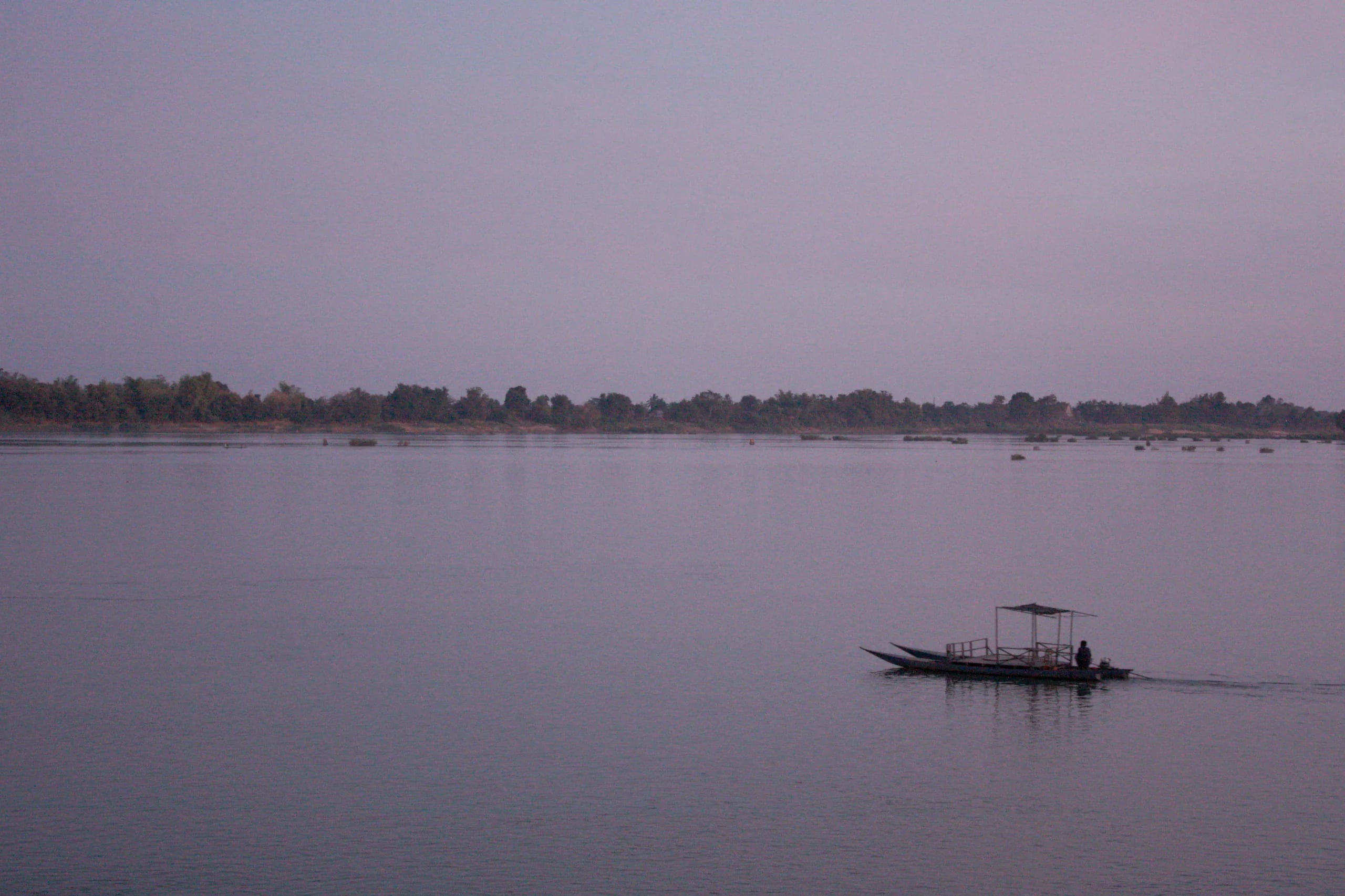
A week after parting ways with Anne, I wandered through Cambodia, rediscovering wonder in the Mekong, barefoot kids’ football, and a riverside café as the sun set.
Kep, Cambodia
7 Jan 2011
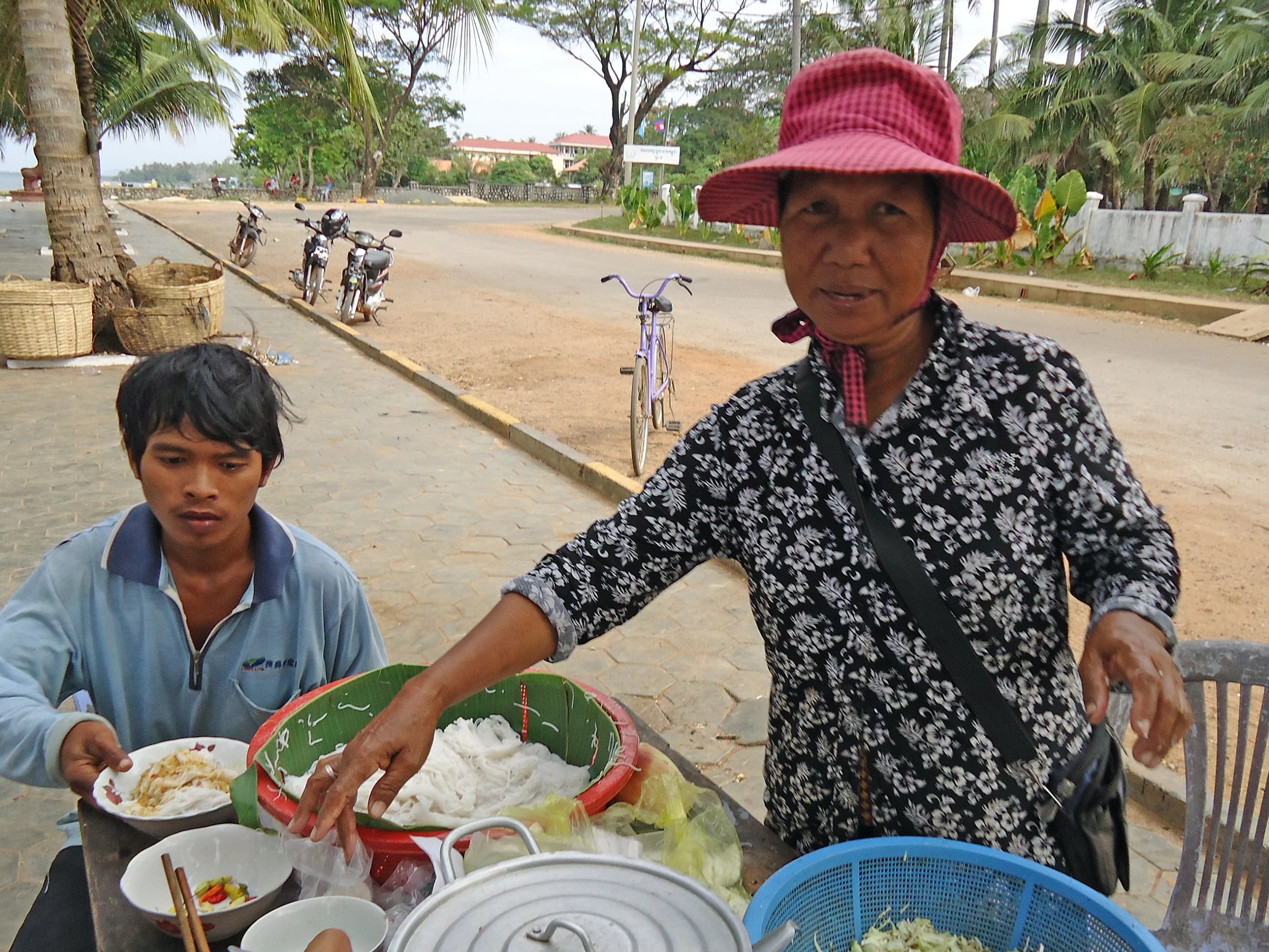
Sweet Communist, Seaweed Water
With my first breath, the smell of moisture and fish penetrates my nostrils, giving me a strong kick.
Kep, Cambodia
7 Jan 2011
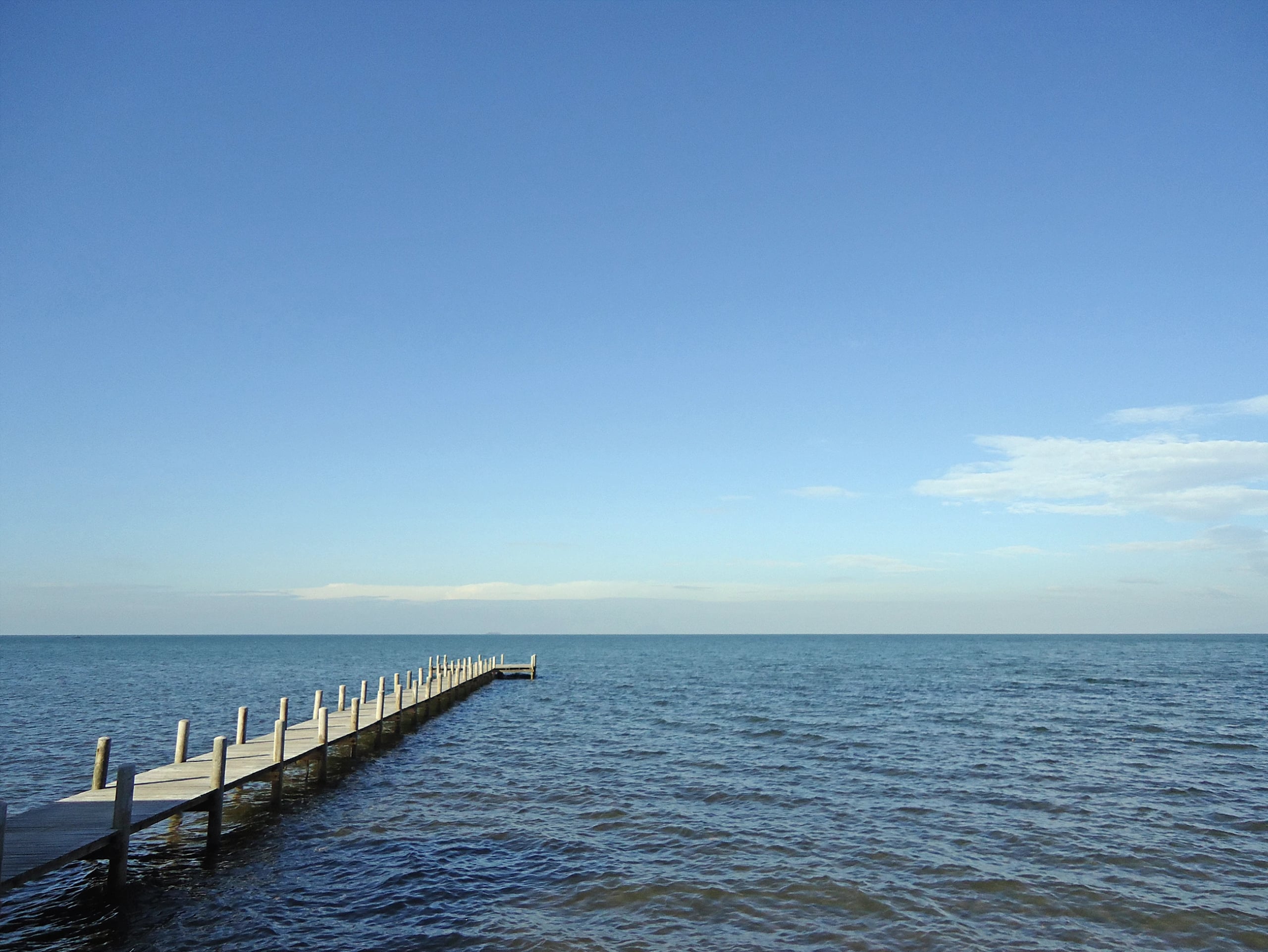
A Room with a view
From this view out my window, I’ve watched the passage of time in Kep.