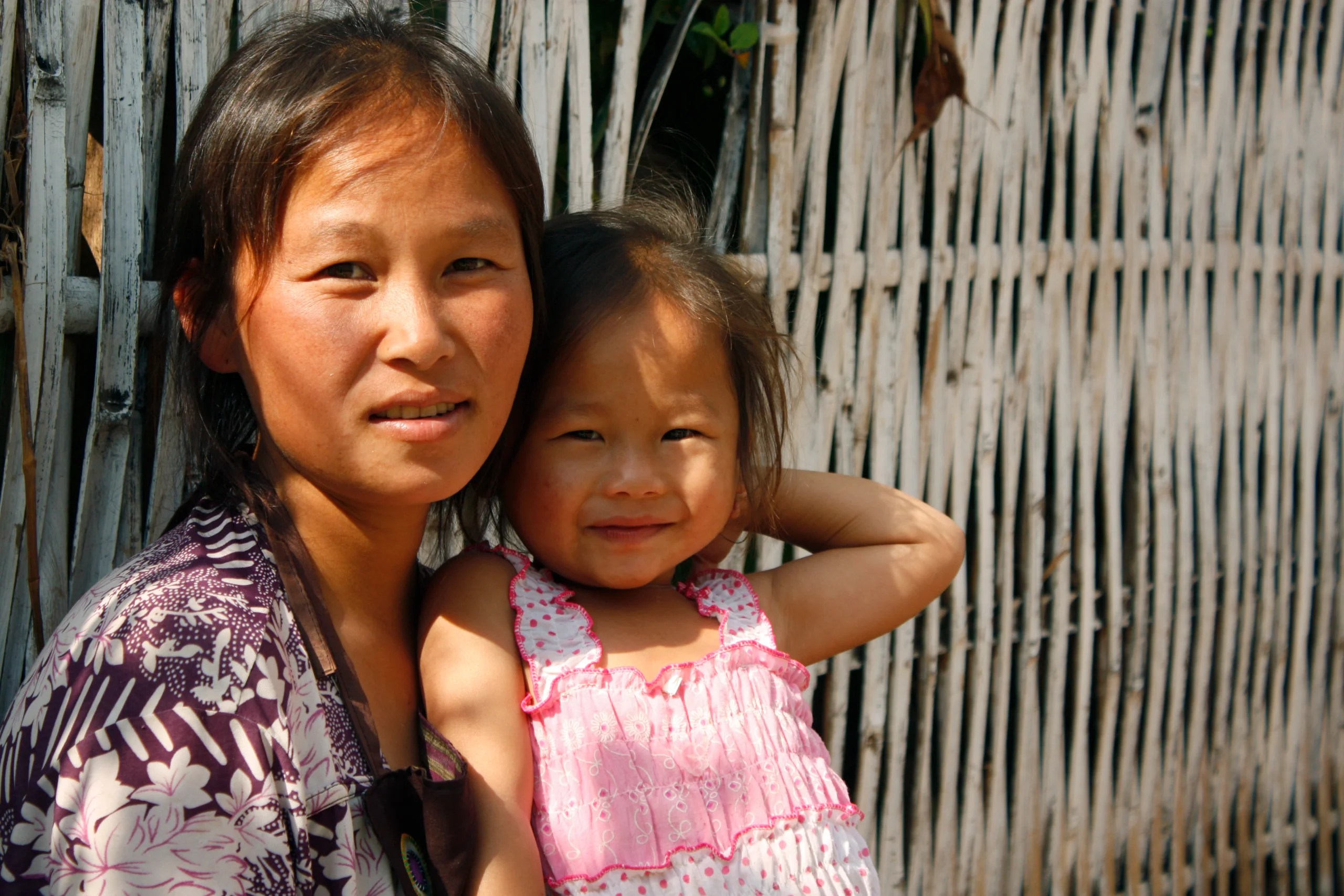
Chiang Rai, Thailand
4 Dec 2010
First sabbatical
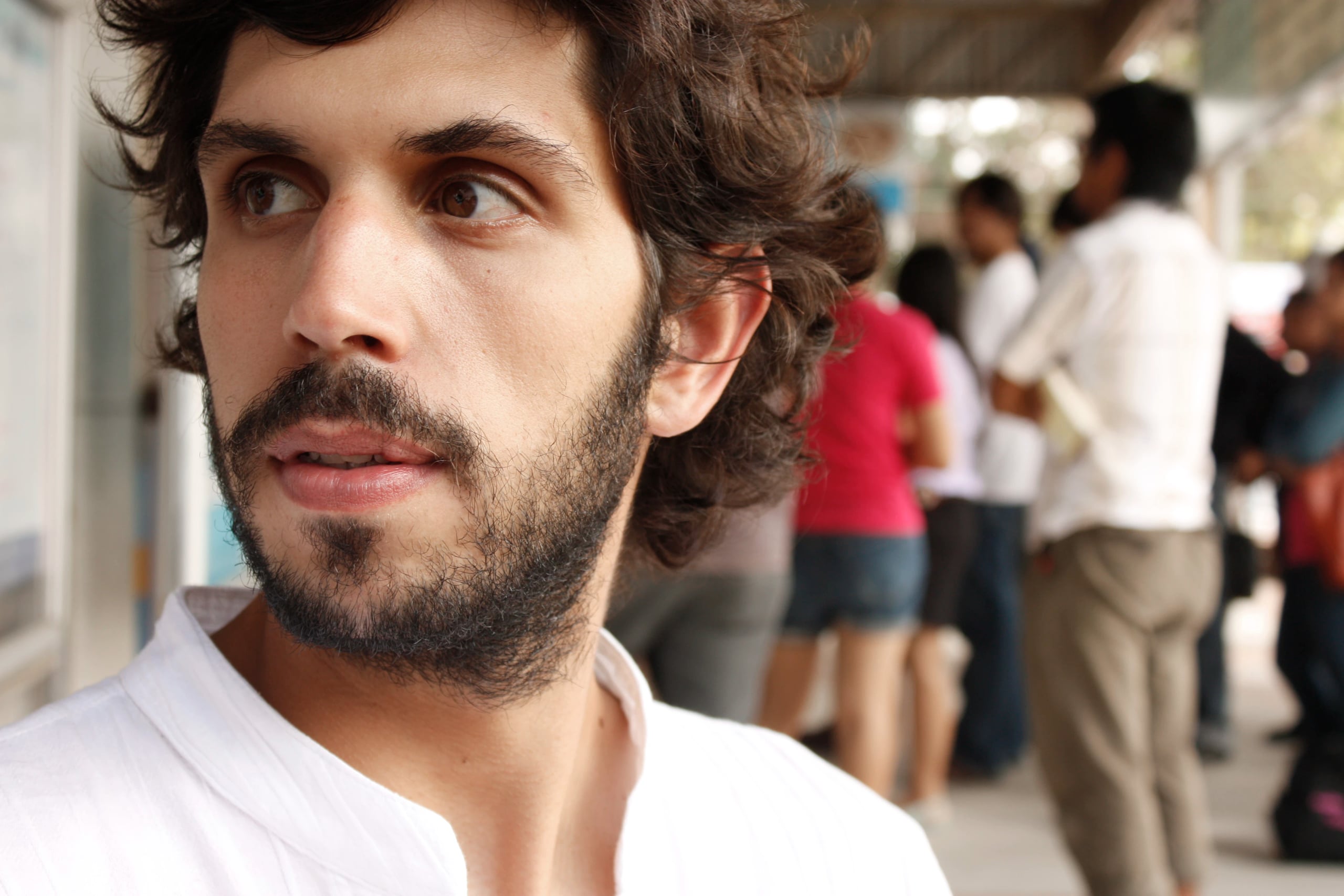
Internal dialogues in Vipassana
The first real thoughts I ever had about Buddhism came from Hermann Hesse’s Siddhartha. I was probably in my late teens, and I still remember the impact the book had on me. It sparked an ephemeral interest that led me to a meditation workshop which, by coincidence or not, happened to be taking place in my hometown – Coimbra, Portugal.
I persuaded a close friend to join me – mostly so I’d have someone to share the experience with. The workshop itself was nothing remarkable, and I suspect what really kept us attending was a pretty girl who was also there. Once the workshop ended, my interest in meditation faded as quickly as the girl’s face from my memory. Siddhartha returned to its place on the shelf in my room at my parents’ house, where, buried under layers of dust, it probably still rests.
On the 23rd of November in the Thai year 2553, around 10:00 a.m., I was once again applying for a meditation course – this time a 10-day retreat at the Dua Thoi Temple in Northern Thailand. Four other people were in the room with me: a middle-aged Italian man, a Swedish girl, a Swiss girl, and Prah (the Thai word for monk) Chaibodin. After the three of us finished the bureaucracy, we were given the first temple rules. In a slow, contemplative voice, Prah Chaibodin said:
“After the opening ceremony this afternoon, you must all strictly follow these rules: talking, eye contact, or any other form of socialization is forbidden; reading, writing, or drawing during the retreat is forbidden; any use of technological devices is forbidden.”
Here he paused. I looked around, trying to read the others’ expressions; everyone seemed focused and serious. I looked outside: 30 degrees, a bright, clear sky. Everything was still – as if time had stopped.
“And…” he continued, “…waking up is at 4:00 in the morning; breakfast at 6:00 a.m.; lunch at 10:30 a.m.; no solid food may be eaten after noon; reporting to Prah Ajah Suphan is at 3:00 p.m.; sleeping at 10:00 p.m. You must remain permanently mindful and aware of the present moment – there is no past, no future, only the present. Every single stimulus you perceive should be acknowledged simply as a stimulus – nothing more. White is the only colour you may wear: white underwear, white pants, white shirt. You must always look clean and presentable.”
I wasn’t sure I understood everything he said, but I grasped the general point: in ten days, I would be turned into a mental patient from António Lobo Antunes’ O conhecimento do inferno.
We were shown our rooms, changed into white clothes, bought timers at the temple shop, and went for lunch. Around 1 p.m., we met Prah Chaibodin again at reception. We were expected to complete a total of eight hours of meditation before 3 p.m. the next day (our reporting time), and so far we had no idea how to meditate.
He began with a brief introduction to Vipassana meditation – the technique taught at the temple – which, without going into deep definitions, consists of perceiving the three marks of existence: impermanence, suffering, and non-self, through contemplation of the body, feelings, the mind, and mental objects. To do this, we would basically walk for 15 minutes, then sit for another 15 – and repeat until we reached the eight hours. It sounds easier than it is.
We set our timers for 15 minutes and prepared for the first lesson. The monk slowly demonstrated how to “walk”: “Each movement of your body must be as slow as possible and should be perceived as movement.” He then took a first step that lasted about 20 seconds and moved him no more than five centimetres. “The foot should reach the floor as flat as possible.” He looked like he had a movement disorder. “You must be mindful all the time – thinking, thinking, thinking; knowing, knowing, knowing; accepting, accepting.” Now he was starting to sound truly mad. “If your mind wanders, bring it back – knowing, knowing, knowing; thinking, thinking, thinking; inside, outside.”
All right, sir… got the point.
We all started our timers and began. The first few steps you’re mindful, all right… but soon, without warning, your mind fires off and you never catch it again. It brings you memories, thoughts, images, ideas – you’re gone when you’re supposed to be present. And 15 minutes is painfully long.
The timers’ annoying beeps told us the first walking session was over. Sitting meditation followed. The procedure was similar. Prah Chaibodin demonstrated with his eyes closed:
“You must feel the rise and fall of the abdomen as the rise and fall of the abdomen.” Ah, of course. “Set your timers. Fifteen minutes. Start.” After 30 seconds, my mind was gone again… my legs hurt, my knees and joints felt like they were disintegrating. “Pain, pain, pain – knowing, knowing, knowing; thinking, thinking, thinking.” How the hell am I supposed to sit 15 minutes with this excruciating pain in my legs?
By the end of the tenth day, I was doing 40-minute rounds. When sitting, my legs no longer felt the pain of being in the same position for so long. My mind had grown friendlier and allowed me moments of peace and contemplation. I had forgotten the sound of my own voice, and my eyes – even if I wanted – would not lift more than 45 degrees from the floor. I was meditating for 10 hours a day. My body felt great, my back was straight as a stick, and my mind was stronger. Time no longer existed; days were perceived only in the present instant.
I left the temple wondering: Do I look different? I feel different…
Further reading
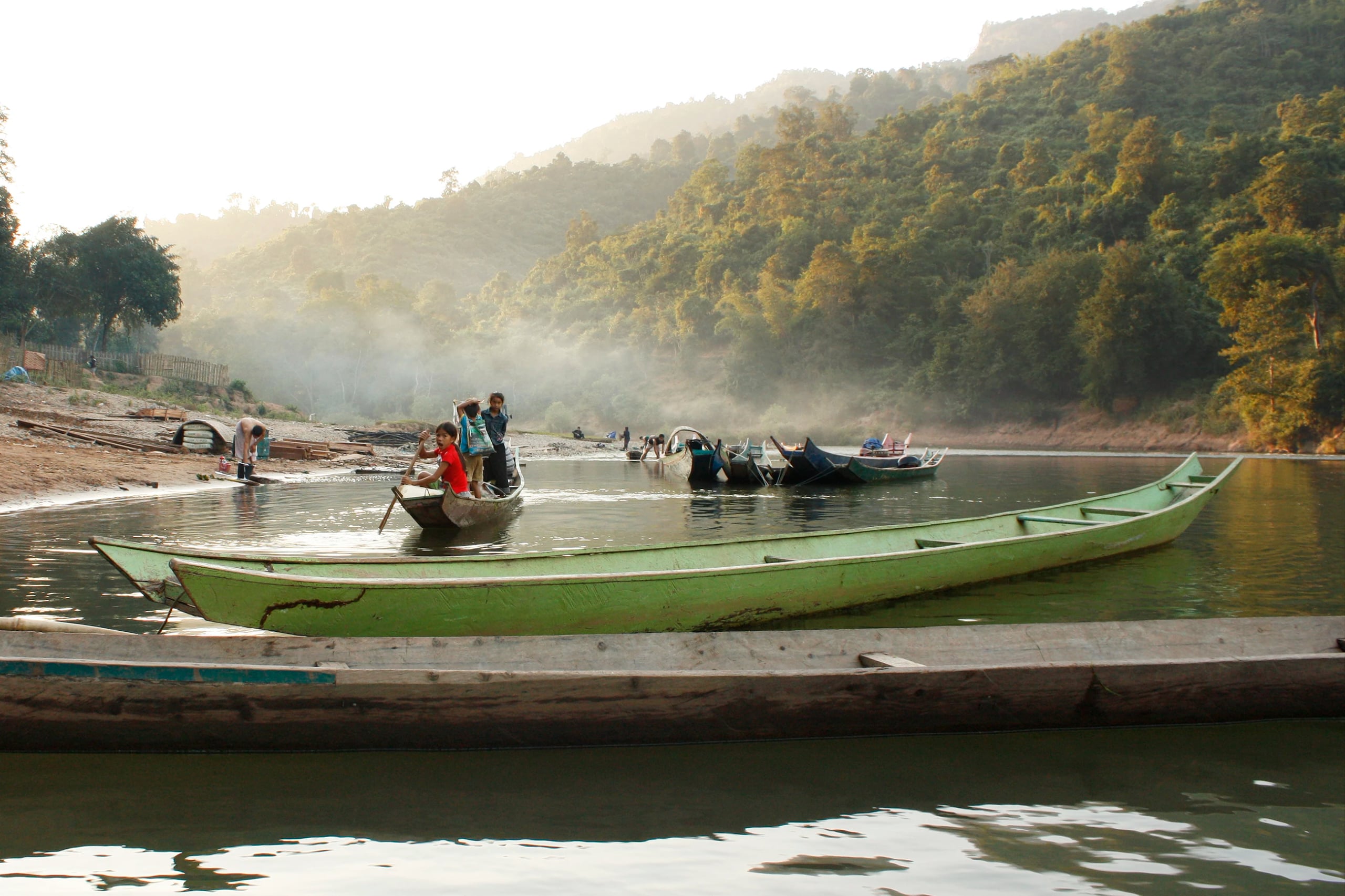
Luang Namtha, Laos
7 Dec 2010
Houayxai to Luang Namtha
Sitting in the longboat, getting our asses wet, we braced for eight hours of deafening engine noise, damp clothes, and freezing rapids under a sudden, dense fog.
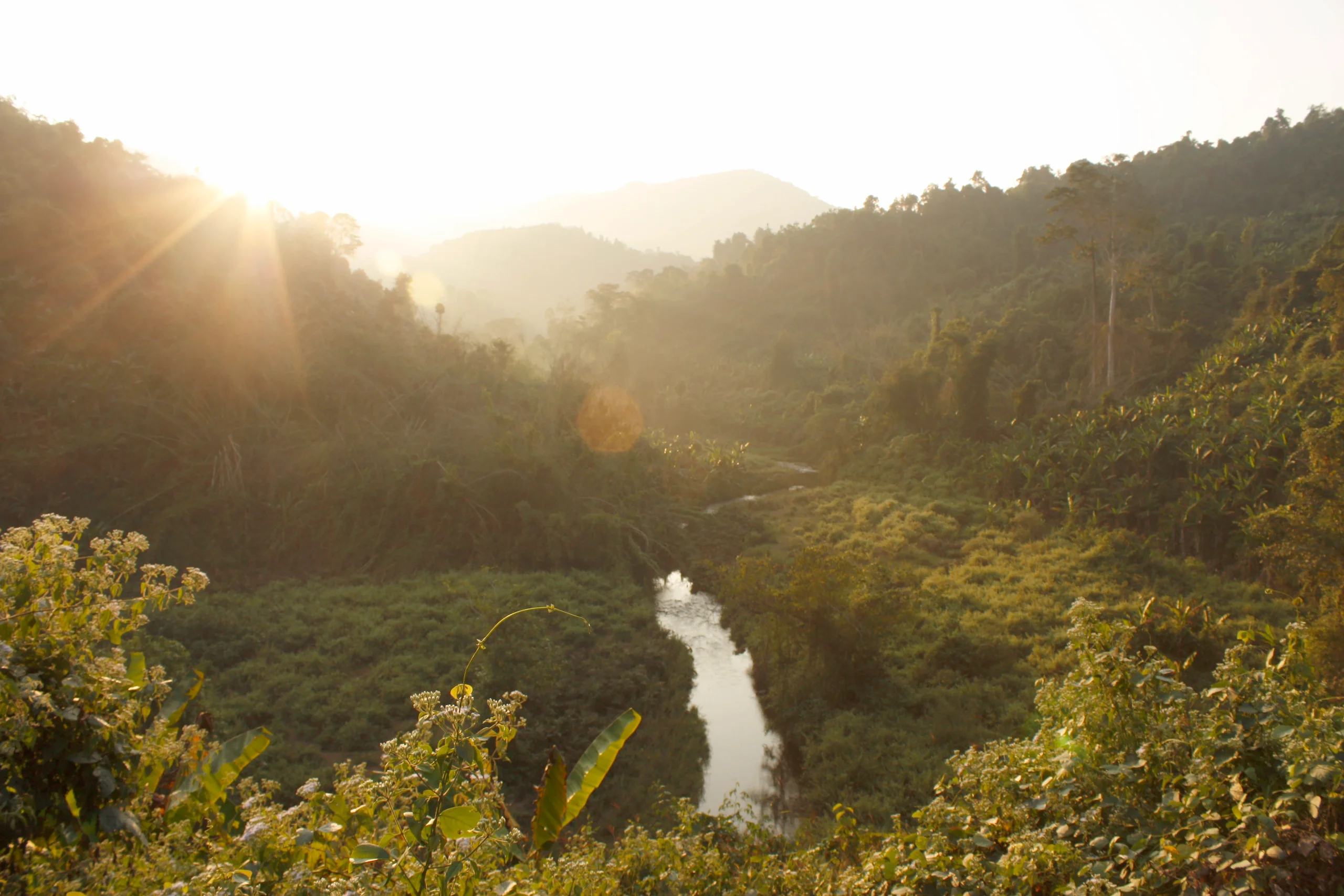
Nam Ha NPA, Laos
16 Dec 2010
Where the wild things are
Wandering through the jungle and a sleepover at Nam Ha National Park.
Luang Prabang, Laos
17 Dec 2010
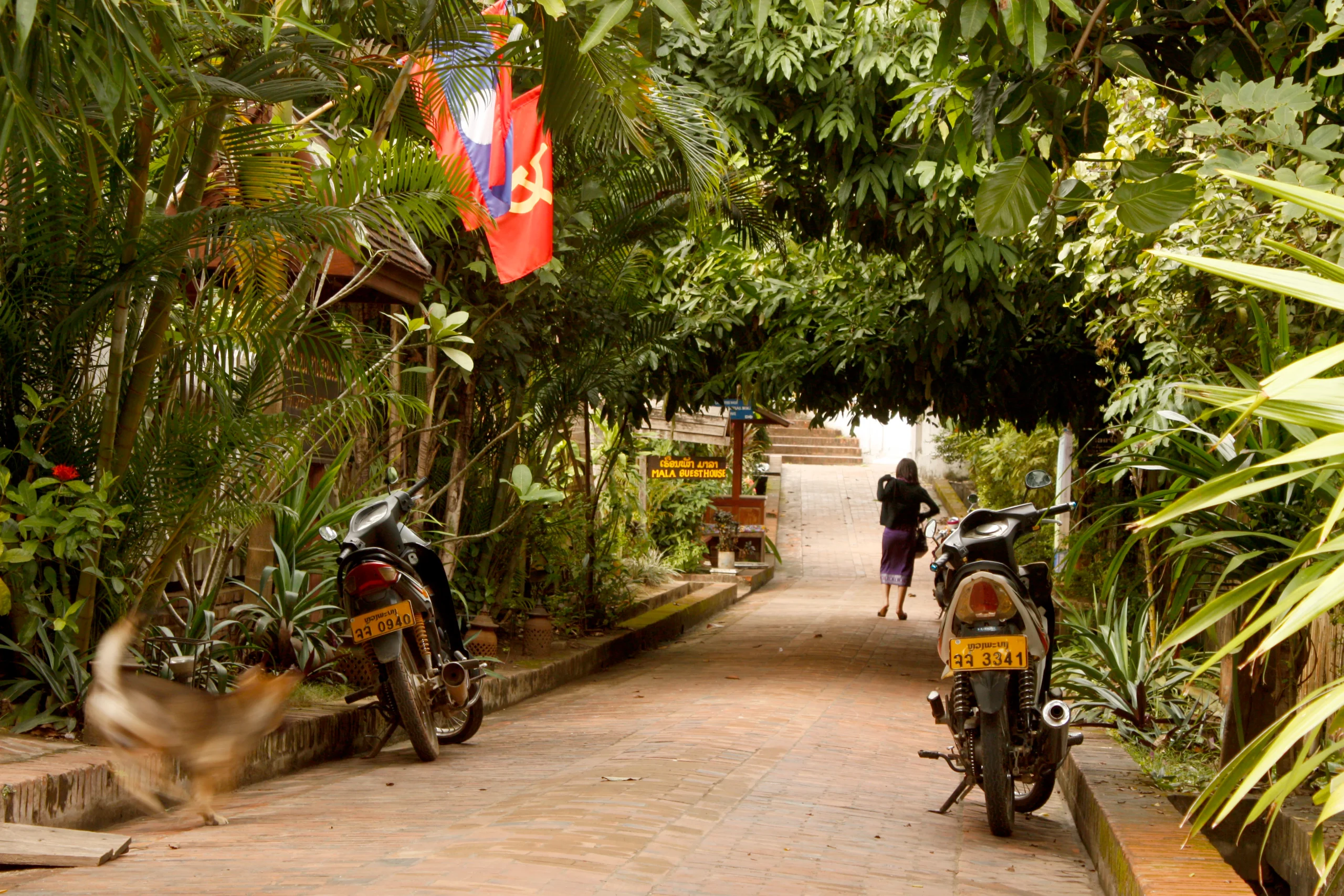
Luang Prabang je t'aime
Narrows alleys with colonial French architecture and lush green vegetation. Bienvenue à Luang Prabang.
Kratie, Cambodia
4 Jan 2011
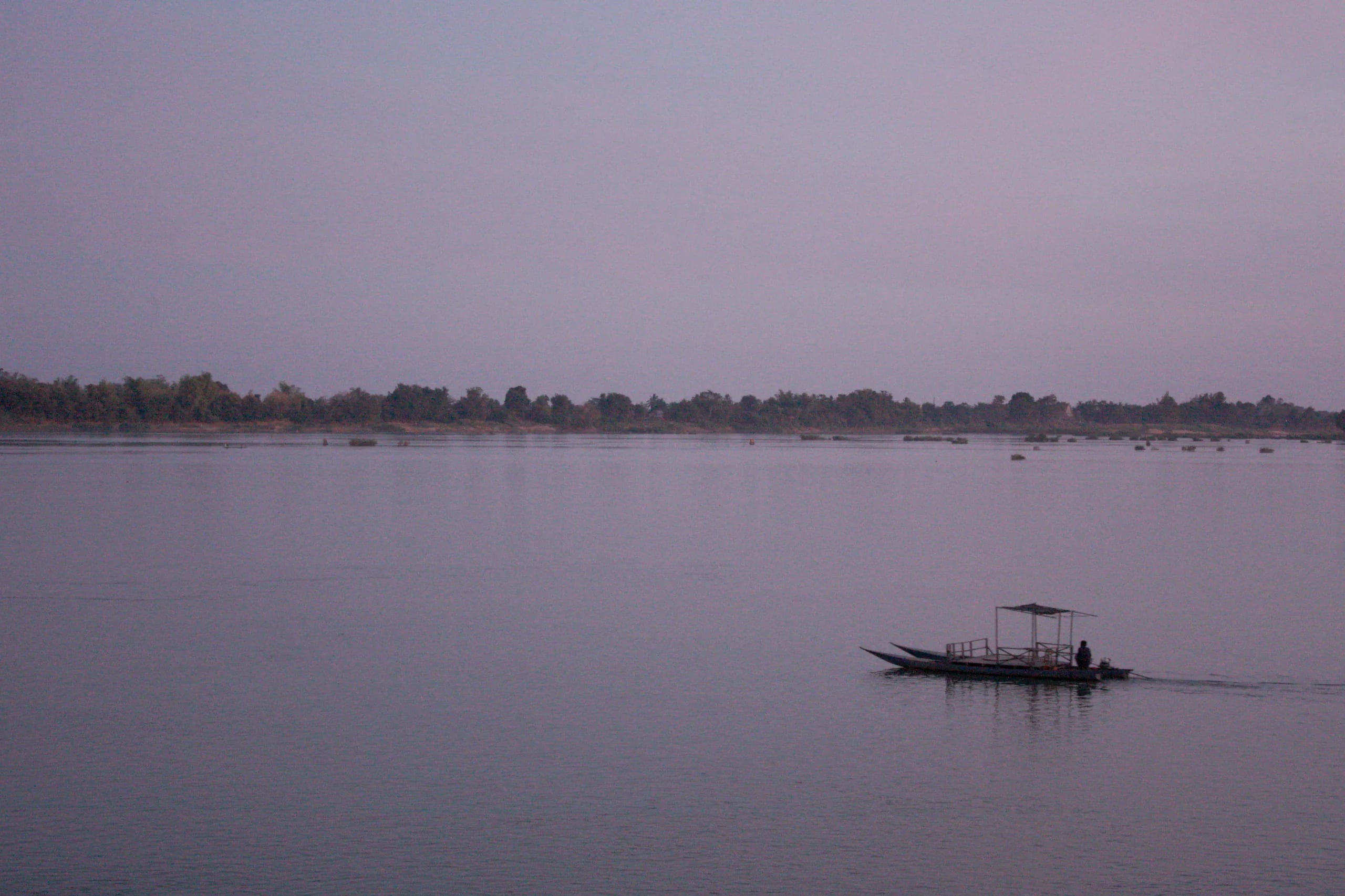
Blue in Green
A week after parting ways with Anne, I wandered through Cambodia, rediscovering wonder in the Mekong, barefoot kids’ football, and a riverside café as the sun set.