Malacca, Malaysia
7 Mar 2011
First sabbatical
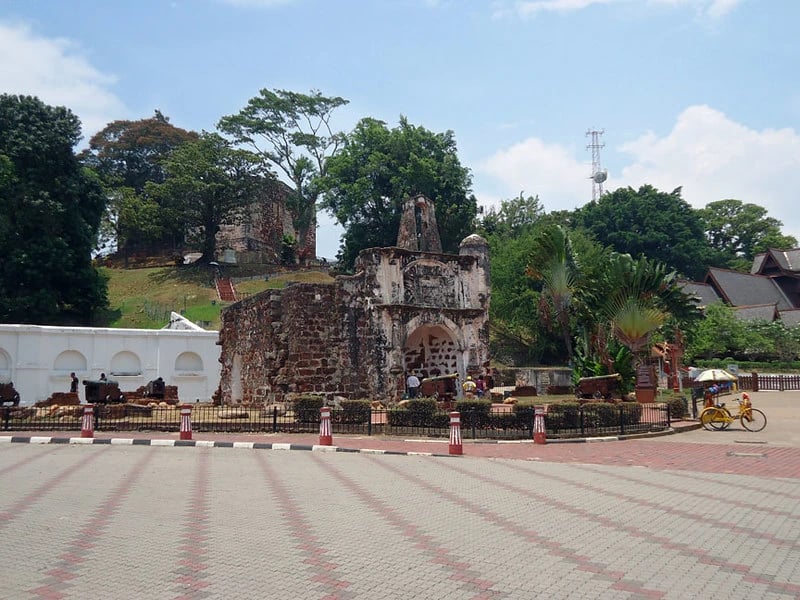
Perkampungan Portugis
The first time I heard about the Malacca Straits was probably in primary school in some history class on Portuguese discoveries. I didn’t give a damn at the time and did not until I became familiar with the album Por este rio acima from the Portuguese musical genius Fausto Bordalo Dias. The album is a marvelous interpretation of Peregrinação, a XVI-century travel diary which tells the amazing adventures and misfortunes of the Portuguese sailor Fernão Mendes Pinto. I listened to the album enough times to memorize its lyrics. The songs are so well written that you just have to close your eyes and paint the pictures that automatically materialize in your head – it is like um sonho acordado (an awakened dream). Although I had many images in my mind from Malacca, I’d never really believed I would be able to visit it one day.
It is ten-thirty in the morning. I get out of my hotel and unlock my bicycle. I’ve read there is a Portuguese settlement 3 km east from the city center and I planned to visit it today. It is extremely hot and humid. Two minutes cycling and I’m all water. I stop for a Malay breakfast and some Teh Tarik (Malay tea with milk and lots of sugar). “The way to the Portuguese settlement?”, I ask the waiter after paying my bill. “Just go straight.” It is indeed very straight. On my right side a sign reads: “Welcome to the Portuguese Settlement.” It is almost noon but the feeling I get is that everyone is still sleeping. There are no cars to be seen and I assume the lack of human life is due to working hours.
All streets have Portuguese names: Jalan Albuquerque, Jalan Sequeira, Jalan Teixeira and Jalan D’Araujo. I pass the first café, Mofos. I park the bicycle and start salivating with the idea of eating some warm Pastéis de Nata with a good cup of Malay coffee. Mofos has a big front yard with a handful of plastic red tables and chairs. The place has nothing peculiar and resembles any other Malay food stall. I take the far-east corner table. I sit and observe. On my right and sitting close to the bar, two elder men smoke and discuss in English. Facing me, a group of teenagers sits on the corner and openly stares at me. I wait for the waiter/waitress. I search the bar for Portuguese traces. I look for beer, food, advertisements, tobacco, anything familiar. I find nothing. Since no one seems to be running the place, I stand up and approach the bar. Through a small window I notice some movement in the kitchen – they are probably busy. The menu is a big white board handwritten in black ink. To my disappointment the only Portuguese thing on the menu is: “Please, remember to pay your debts.” I wait 10 minutes at the bar. I return to my seat. A middle-aged woman leaves the kitchen with some food for the elder men. She notices my presence and walks towards me. As she approaches, I take a good look at her. She is small, a little chubby and has a friendly look in her eyes. She is pretty. Although her skin is dark, her facial features do not resemble those of Malay people. Her nose, eyes and mouth are finer and less prominent, revealing what I infer to be a European heritage. I order a cup of iced coffee in English and she doesn’t dare to ask me “Where are you from?”. I drink my coffee and head to the bar to pay my bill. I meet her mother, a woman in her late 60s. She also speaks to me in English and I leave Mofos a little frustrated.
I take the bicycle and ride forward. I reach the quay where Lisbon Resort and Restoran Lisbon are. Not only do both of them seem to be closed, there is also no one to be seen – “What the fuck am I doing here with this heat?”
Close to Restoran Lisbon there is the Portuguese Settlement and Museum. At the museum’s entrance an old man with sunglasses welcomes me. “Where are you from?”, he asks as I approach. “Portugal.” “Oh! Bom djia,” says he with a broad smile, “Meu nome George.” He takes off his glasses and guides me through the four-wall museum. Enthusiastically he speaks to me in English about how the Portuguese conquered (colonized) Malacca in 1511. Although I realize he mixed the names of Vasco da Gama and Afonso de Albuquerque, I do not dare to interrupt him, and in his exuberance he recoils sounds of silver cannons and pirate laughs. I listen attentively. I like his energy, his life, his pride in our ancestors (a pride I do not share, but do not confide).
After the last picture hanging on the wooden walls, we sit at the entrance table. He says: “Livro de Signatura,” and I am given the guestbook to sign. “Since 2008, people from all over the world have come here, you can see all of them in the book.” I sign it and give it back to him. “Portugal has forgotten us. There is no Malacca in the Portuguese map. Malacca is not Malaysian, it is a state. We have been here for 500 years! We still speak the Portuguese spoken in the XVI and XVII century. We are not Malay, we are Catholics.” I don’t know what to tell him. I’m afraid of hurting his feelings. I find it unbelievable that a village with less than 1000 Malay-Portuguese inhabitants has kept and praised such strong cultural roots to a country they have never visited or seen. The Dutch and British, who followed the Portuguese occupation in Malacca, stayed longer and have nowadays nothing comparable to this in the country. In the Malacca History Museum, there is an interview with a Portuguese Catholic priest who explains: “The strong roots the Portuguese left here are probably linked to the inter-racial marriages, supported by the regent Portuguese Crown, and the strong Catholicism among the community, which is as strong nowadays as it was centuries ago.”
I left the settlement rather nostalgic and sad. Mr. George’s love for his Portuguese culture and roots is completely strange to me. There is something he forgot to mention. While showing me the museum and telling me the story of the colonization, he didn’t mention that before Afonso de Albuquerque opened fire to conquer Malacca in 1511, there was another Portuguese setting foot there. His name was Diogo Lopes de Sequeira. He arrived on September 11th, 1500. He and his crew were the first Westerners to set foot in Malacca. Because of their skin colour, long nose, hair and higher stature, they were called White Bengalis. Diogo Lopes de Sequeira was received by the Malay Prime Minister Tun Mutahir at his palace. With wonder and amazement, Tun Mutahir offered the Portuguese captain very fine clothes, and did this by putting them on the floor in front of him. Ignoring the common ritual, Diogo Lopes de Sequeira approached the prime minister and put a golden necklace around his neck, which automatically gave him superiority over Tun Mutahir. The royal guards wanted to punish him but the prime minister said something like: “Please, don’t lower yourselves to someone lower than you.” From that point on, the Malay not only realized the Portuguese did not come in peace but had also no intention of assimilating Malay culture. They were expelled from Malacca with no diplomatic relations established and were wished never to return... The “White Bengalis” were not only feared in Malacca but in all Southeast Asia. The Portuguese were seen as fierce, rude, brutal and selfish – an image that spread throughout all Southeast Asia and took centuries to disappear.
Further reading
Singapore, Singapore
11 Mar 2011
Back to the future
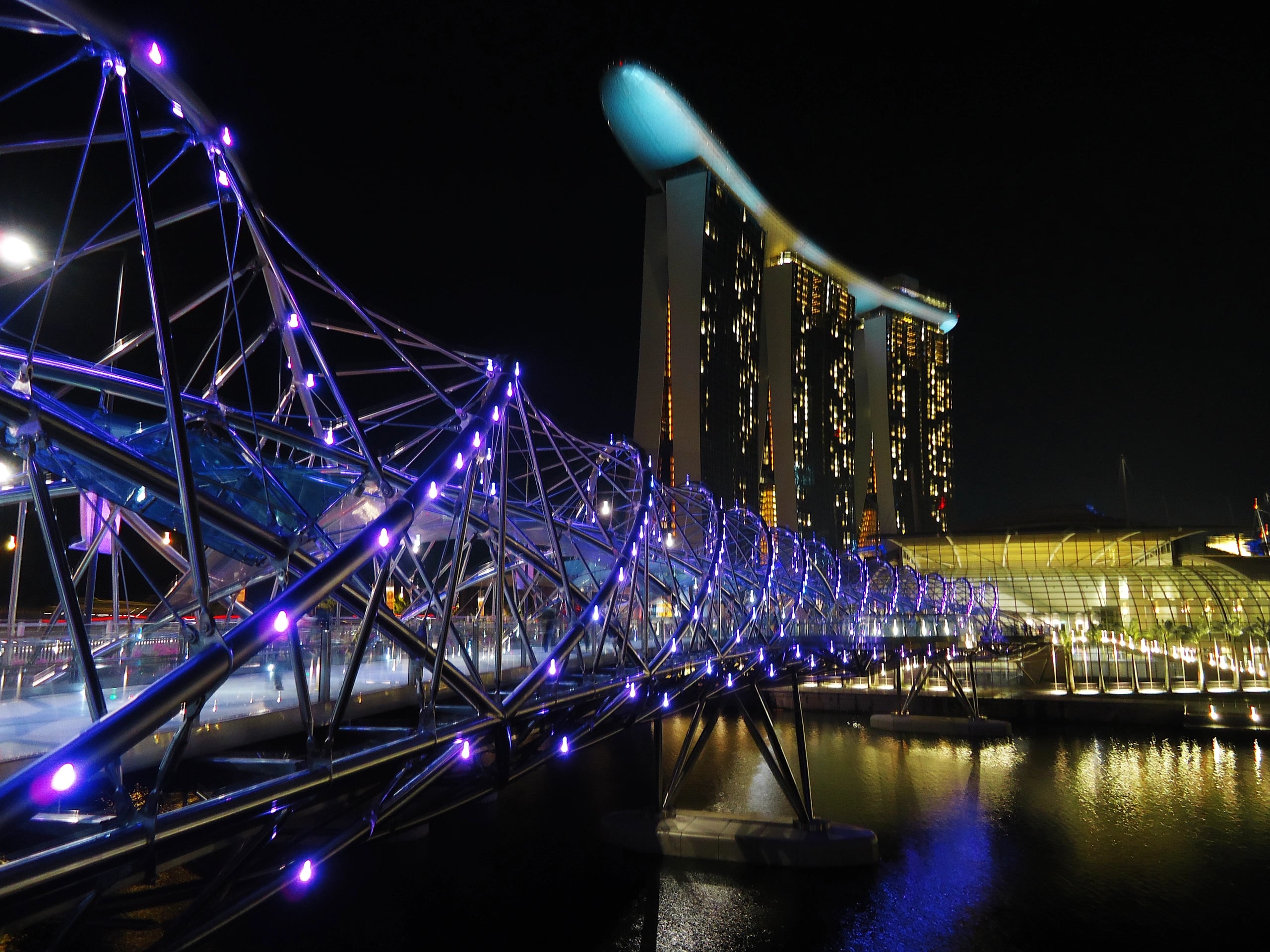
From a $22 bed in Little India to the blinding lights of Orchard Road, Singapore felt like a sudden leap into the future after months of 'Banana Pancake' traveling.
Fremantle, Australia
19 Mar 2011
No fucking clue... moving east?
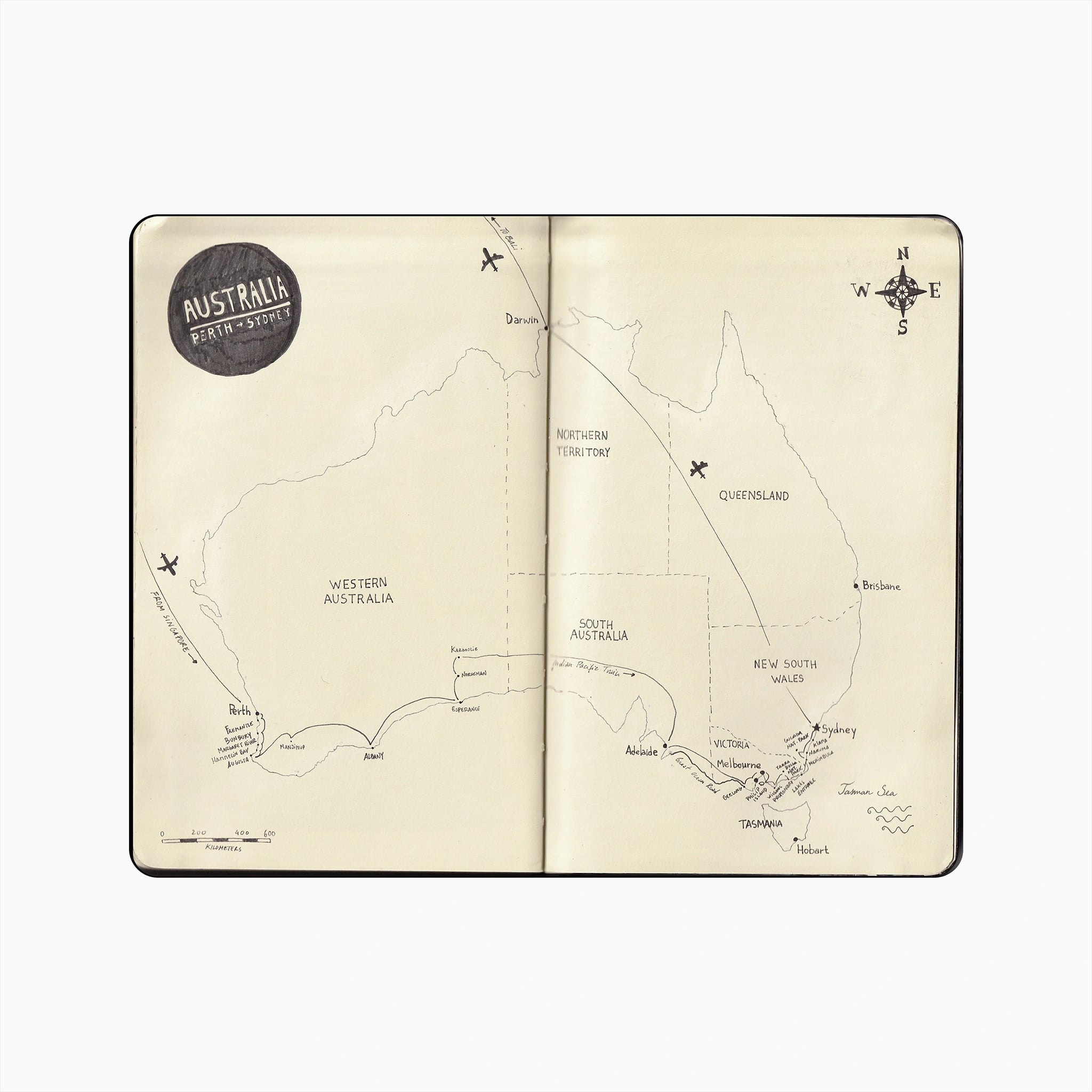
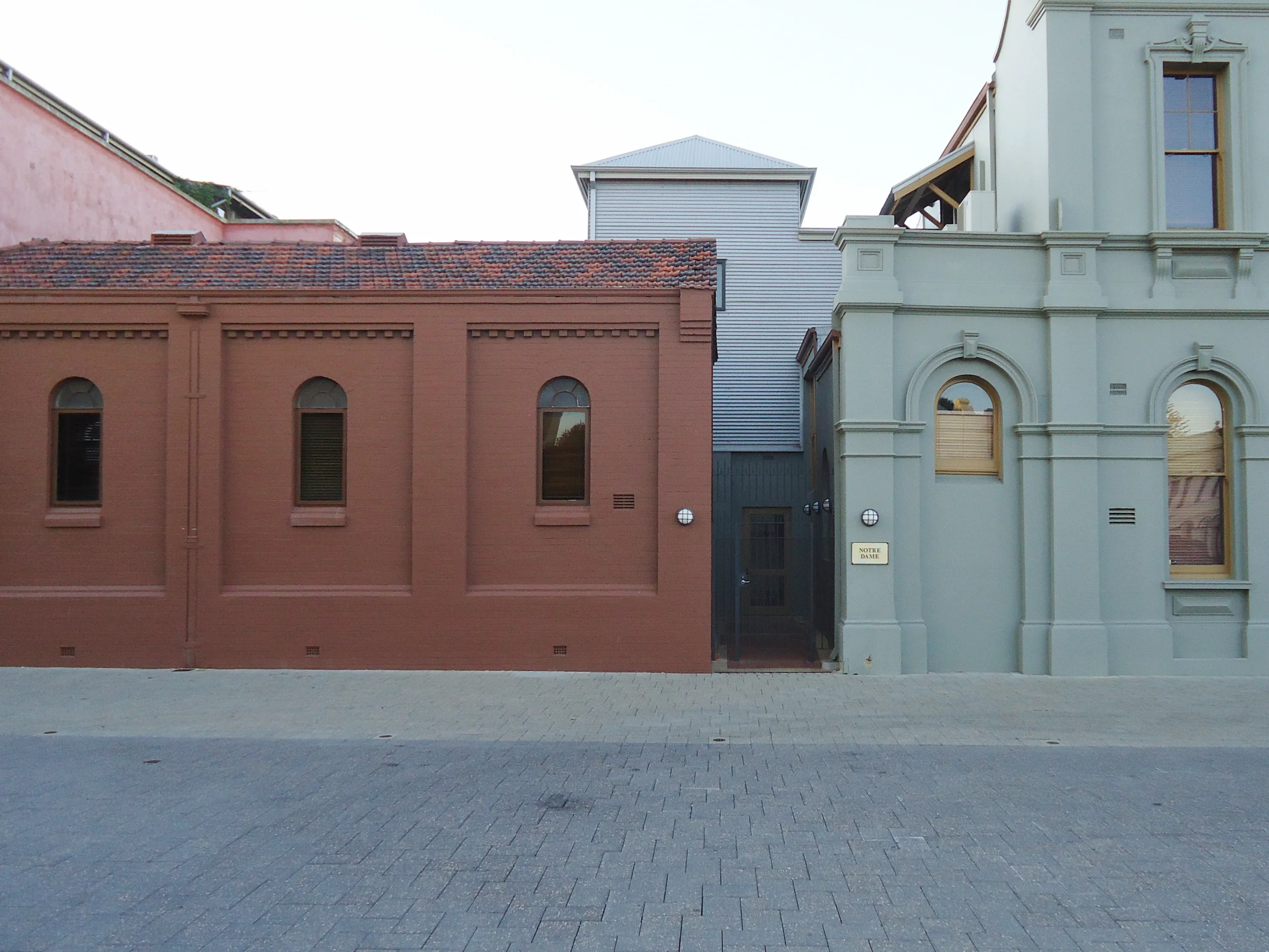
For the first time in my life, I feel completely displaced. Australia is too familiar, too Western – and after months in Asia, I find myself lost, lonely, and longing to go back.
Albany, Australia
20 Mar 2011
On the road
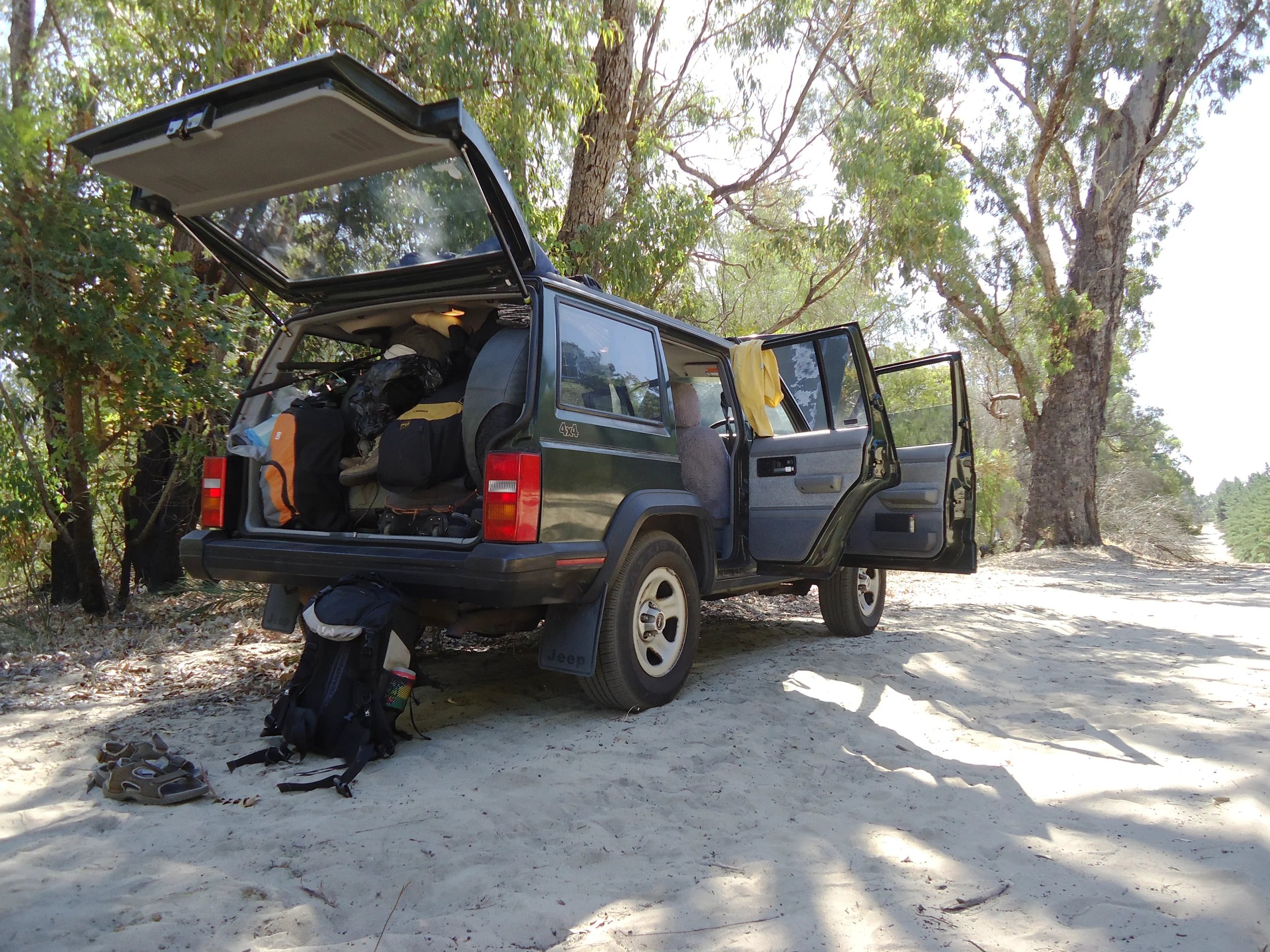
After arriving in Australia from South East Asia, I found myself in Fremantle – bored, depressed and wondering what would be my next move. Days passed, unchanged. Until I met a bunch of young French backpackers going south...

Kalgoorlie, Australia
1 Apr 2011
Skinny love and motion blur
Dawn breaks cold over the van. Roger sleeps; I stare at the white ceiling, unsure what day it is. I crawl to the front seat and blast The Strokes – Is this it? Roger curses in German. We laugh. Later, the red road unravels before us, Bon Iver on the speakers, the world a blur of dust and blue. Two strangers, singing into the endless morning.