Kathmandu, Nepal
6 Oct 2010
First sabbatical
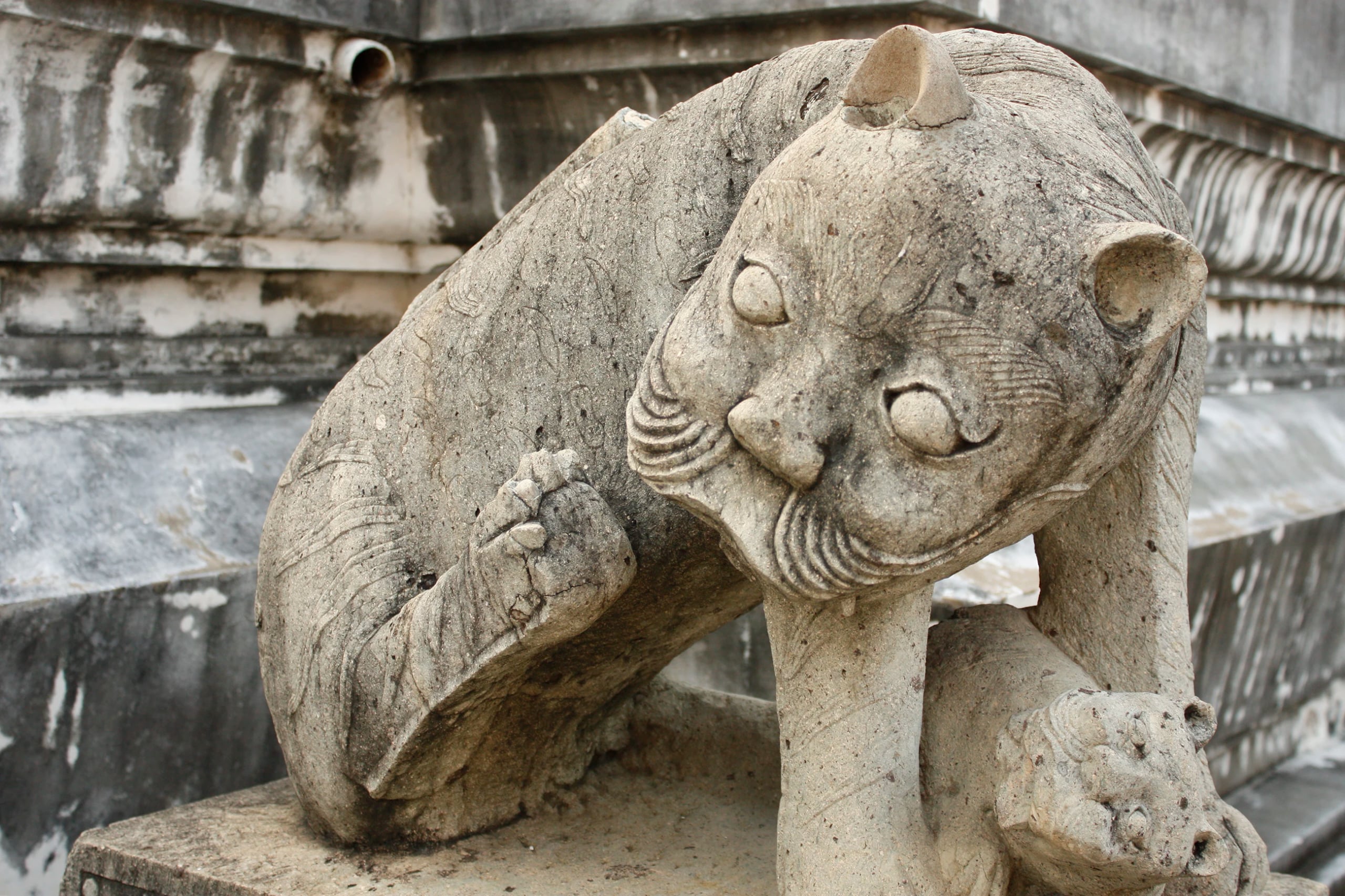
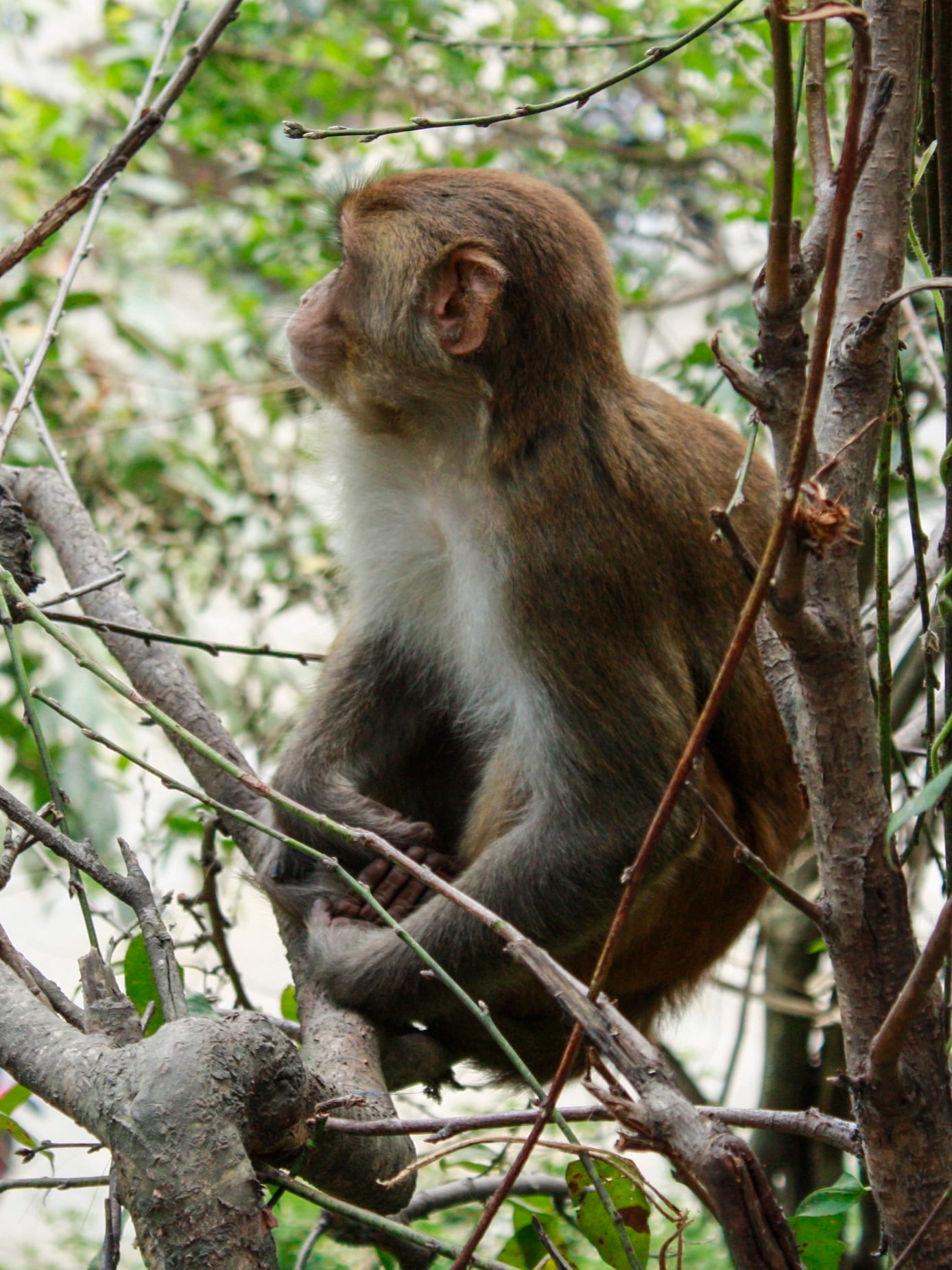
Swayambhunath's monkeys
I arrived in Kathmandu yesterday around 5:30 PM. On the plane, I sat next to a young Canadian named Paulina, an 18-year-old who had just completed a three-month Atlantic crossing to Lisbon. “I’ve just crossed the Atlantic on a sailboat,” she told me. “We stopped in the Azores before reaching Lisbon – lovely place.” Just like me, Paulina is traveling alone, and it is her first time in Nepal.
Upon arrival, we decided to share a taxi from the airport to Kathmandu’s backpacker district. It might have been the jet lag, the drive through the chaotic traffic, or both, but I felt sick to my stomach. My senses were caught by surprise with so much to process. I was in Kath-man-du, and the first impression was hallucinating. I couldn’t orient myself; I didn’t know where to go or what to do. I let Paulina take the lead and simply followed her. She found us a guesthouse, I stepped into my room, and I crashed.
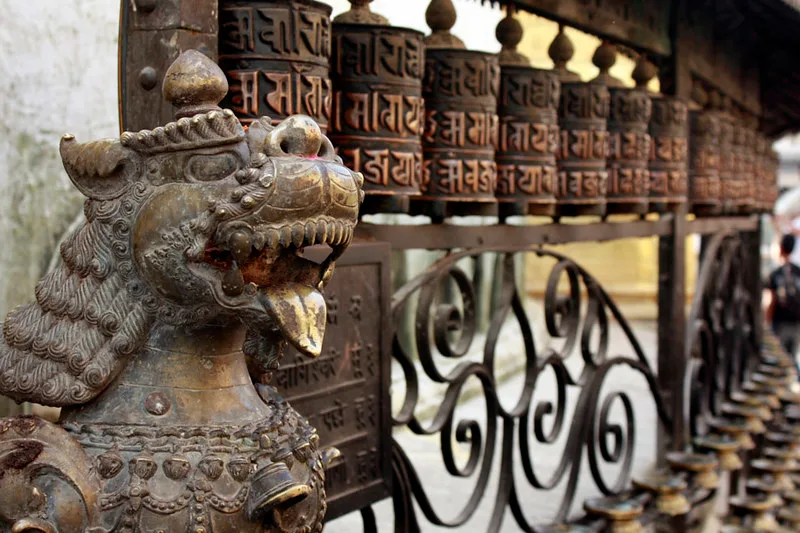
The next day, I visited Swayambhunath – also known to tourists as the Monkey Temple. Perched on a hill in the western part of the city, about an hour’s walk from Durbar Square (another essential stop), Swayambhunath is an impressive Buddhist heritage site dating back centuries. I spent the afternoon exploring the temple, observing the monks, the monkeys, and the tourists.
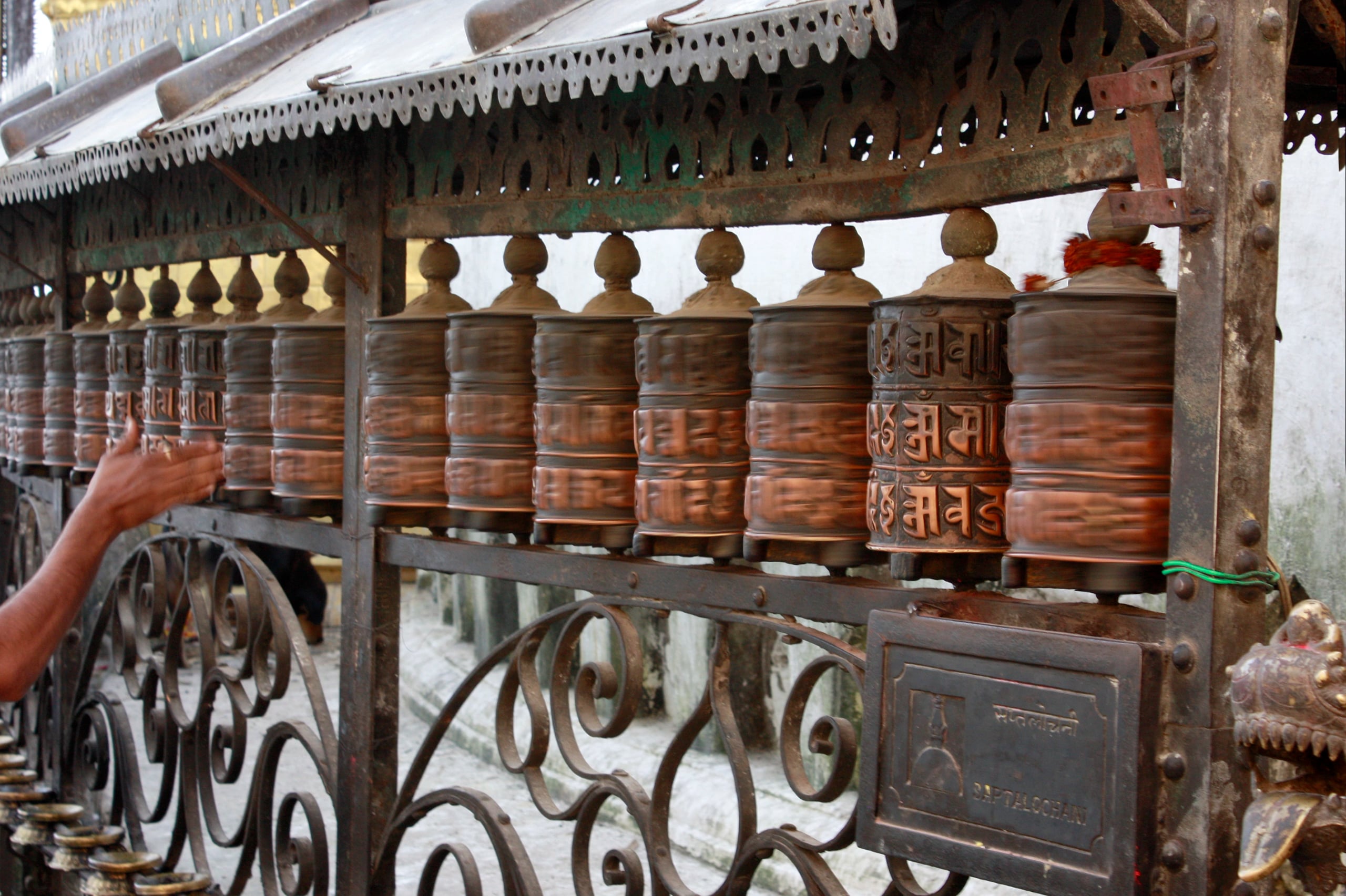
The mani khorlo – the Tibetan name for prayer wheels – haven’t stopped spinning since I arrived. A constant stream of hands spins them as if they were toys in a children’s playground. “Spin them clockwise,” I’m told by a passing stranger. “They should follow the direction of the sun,” says another. The spinning wheels evoke the engraved mantra through motion: Om Mani Padme Hum – a mantra of compassion, as I’m told later at the guesthouse. Compassion must be something the monks are filled with, having to deal with these large crowds of strangers wandering through their home.
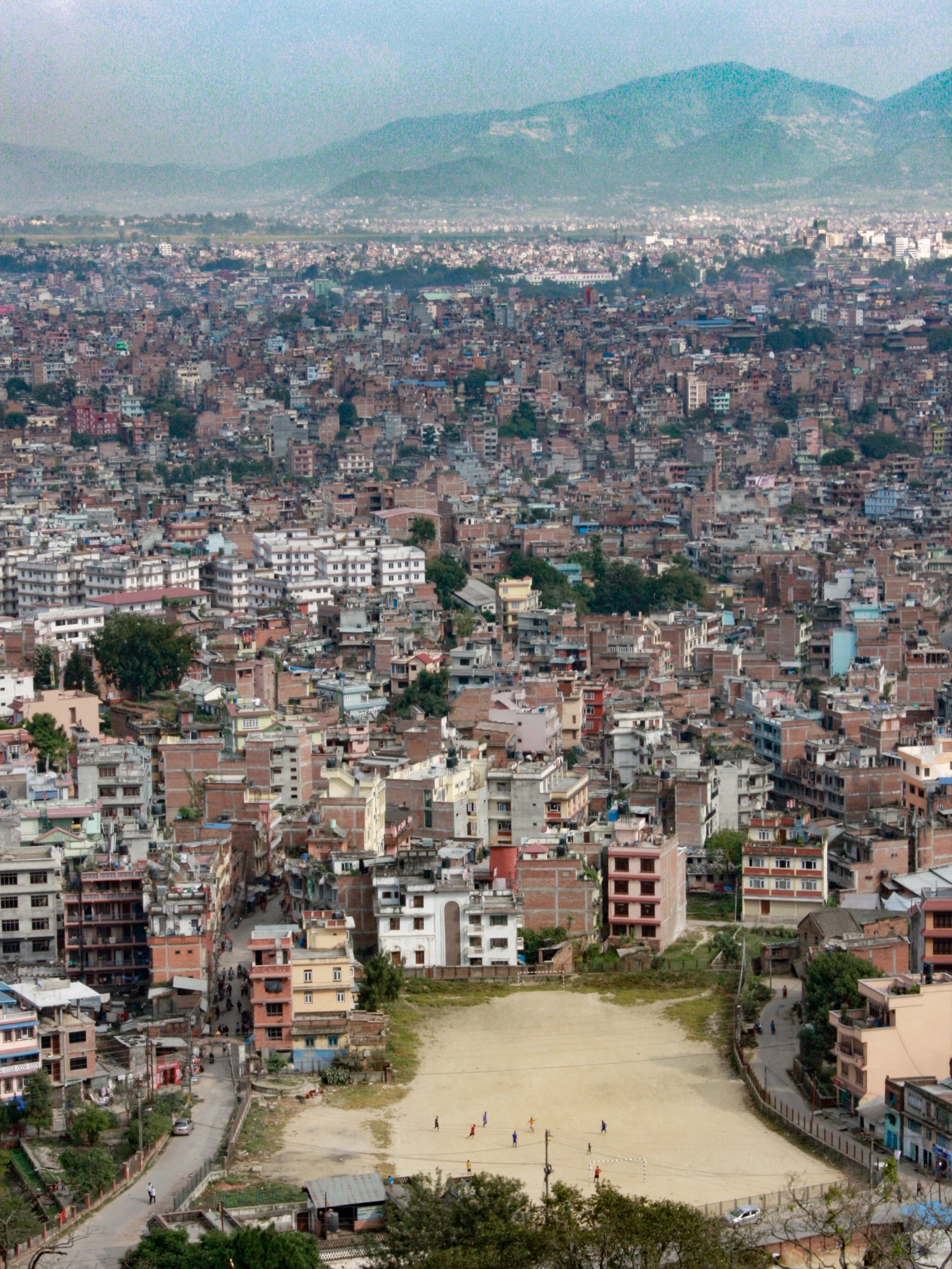
Thanks to its elevation, it offers breathtaking views of the Kathmandu Valley metropolitan area – stretching as far as the eye can see, or at least as far as the air pollution allows. Alongside the monks, the temple is home to mischievous monkeys that are a delight for DSLR lenses.
Further reading
Kathmandu, Nepal
7 Oct 2010
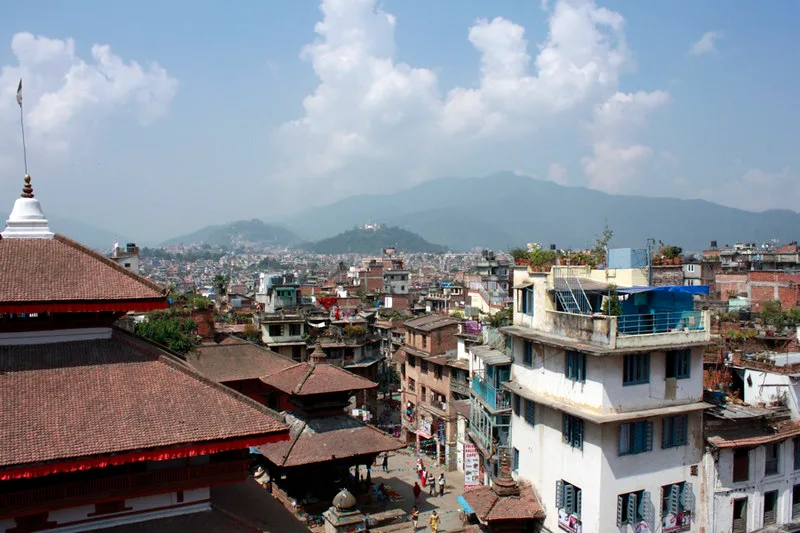
Kathmandu from above
From a rooftop at Durbar Square, Kathmandu buzzes with color, sound, and life.
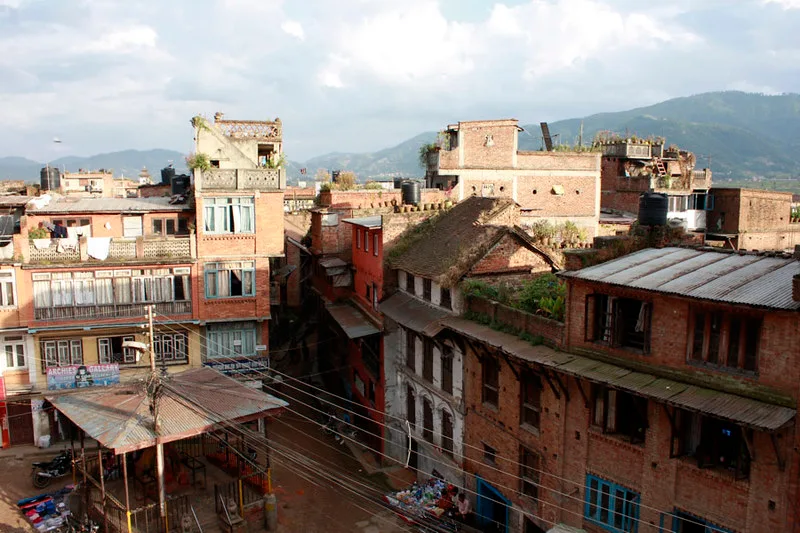
Baktapur, Nepal
8 Oct 2010
World heritage Baktapur
Three wild days in Kathmandu, cycling through chaos, before a 21-day trek to Annapurna.
Jomsom, Nepal
20 Oct 2010
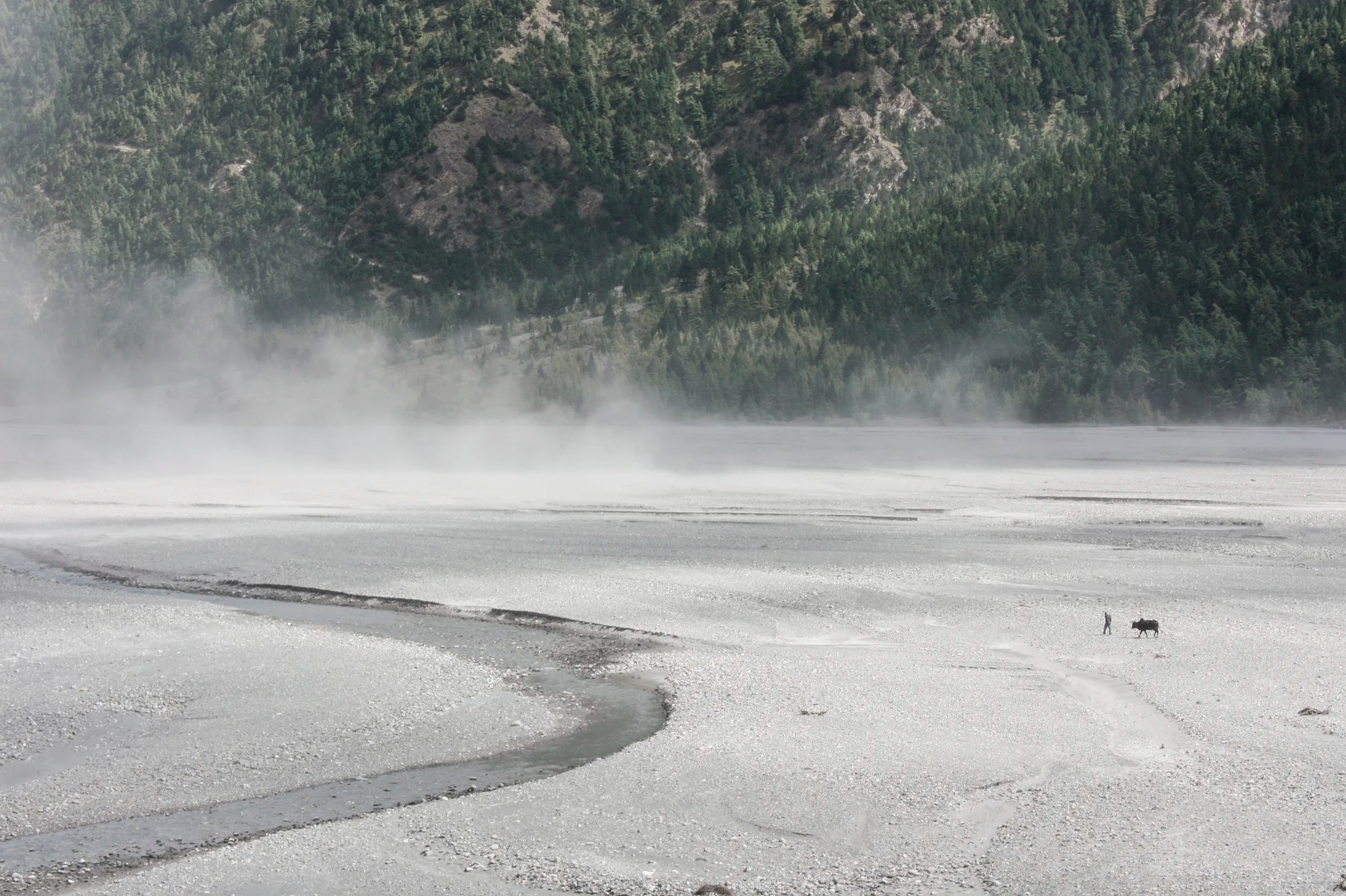
Annapurna circuit: Kali Gandaki Valley
I’ve finally had a chance to let you know that I’m safe and sound.
Pokhara, Nepal
27 Oct 2010
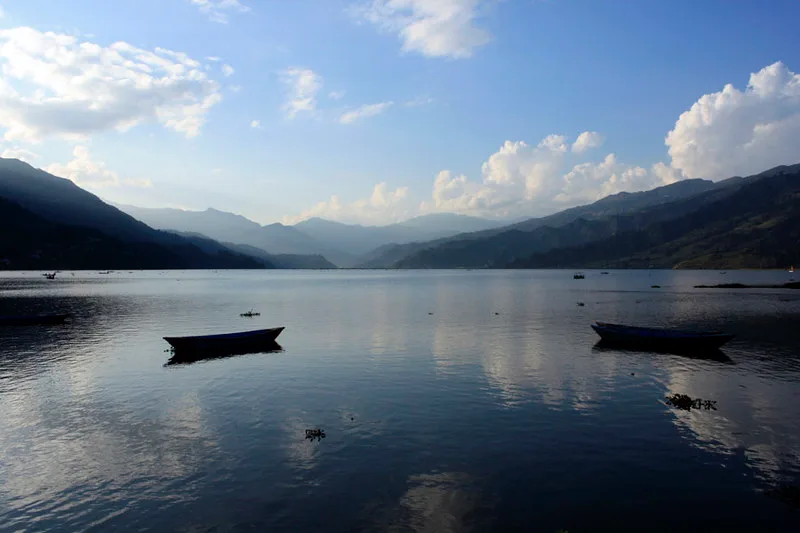
The Annapurna Circuit is over
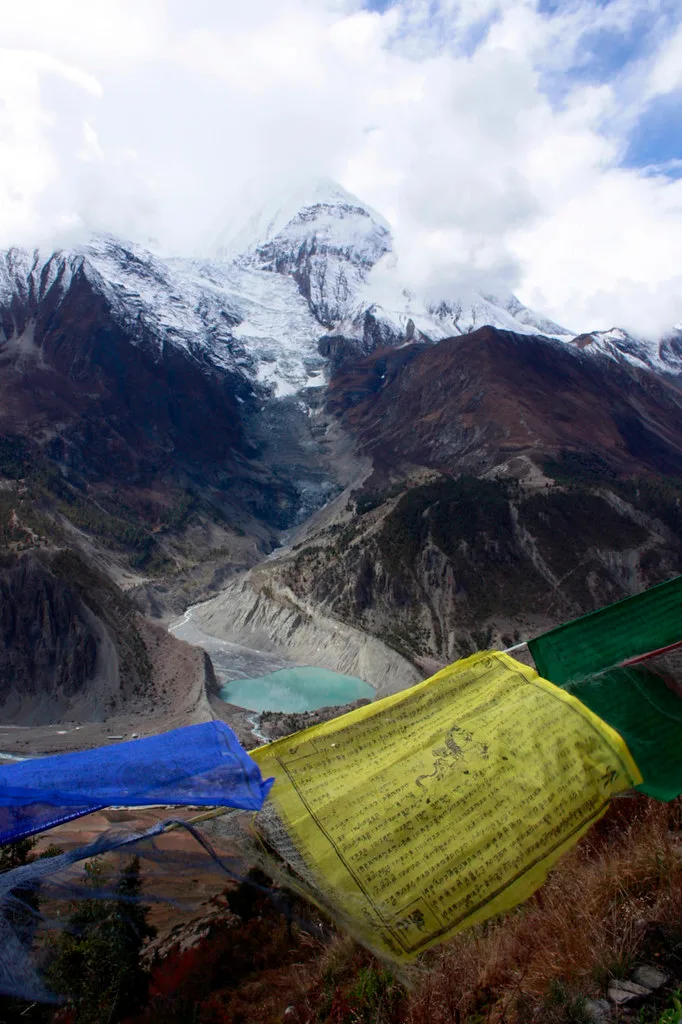
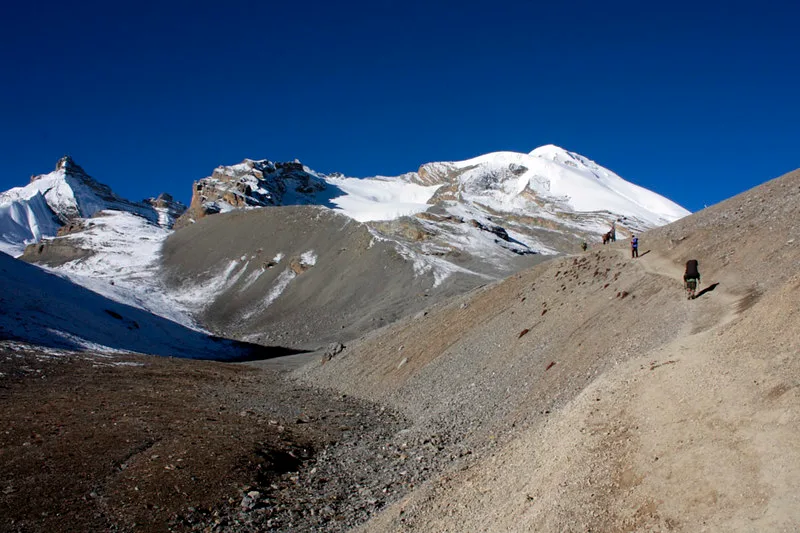
I just finished the Annapurna Circuit, and the 16 days in the Himalayas with Carsten were absolutely unforgettable.